Botox, Filler, and Biostimulators in Southlake, TX
Injectables are neurotoxins, dermal fillers, and biostimulators: three different ways to treat expression lines, lost volume, and collagen loss. All three are available in Southlake, TX.
- Google 4.8★
- Yelp 5.0★
Three injectables that do three different things
Which of the three you need depends on the concern: neurotoxins for lines that appear when your face moves, dermal fillers for volume that has gone, and biostimulators for overall thinning rather than one hollow you can point to. Dr. Mikki matches the concern to the mechanism at consultation, and will tell you when the answer is one of them rather than all three.
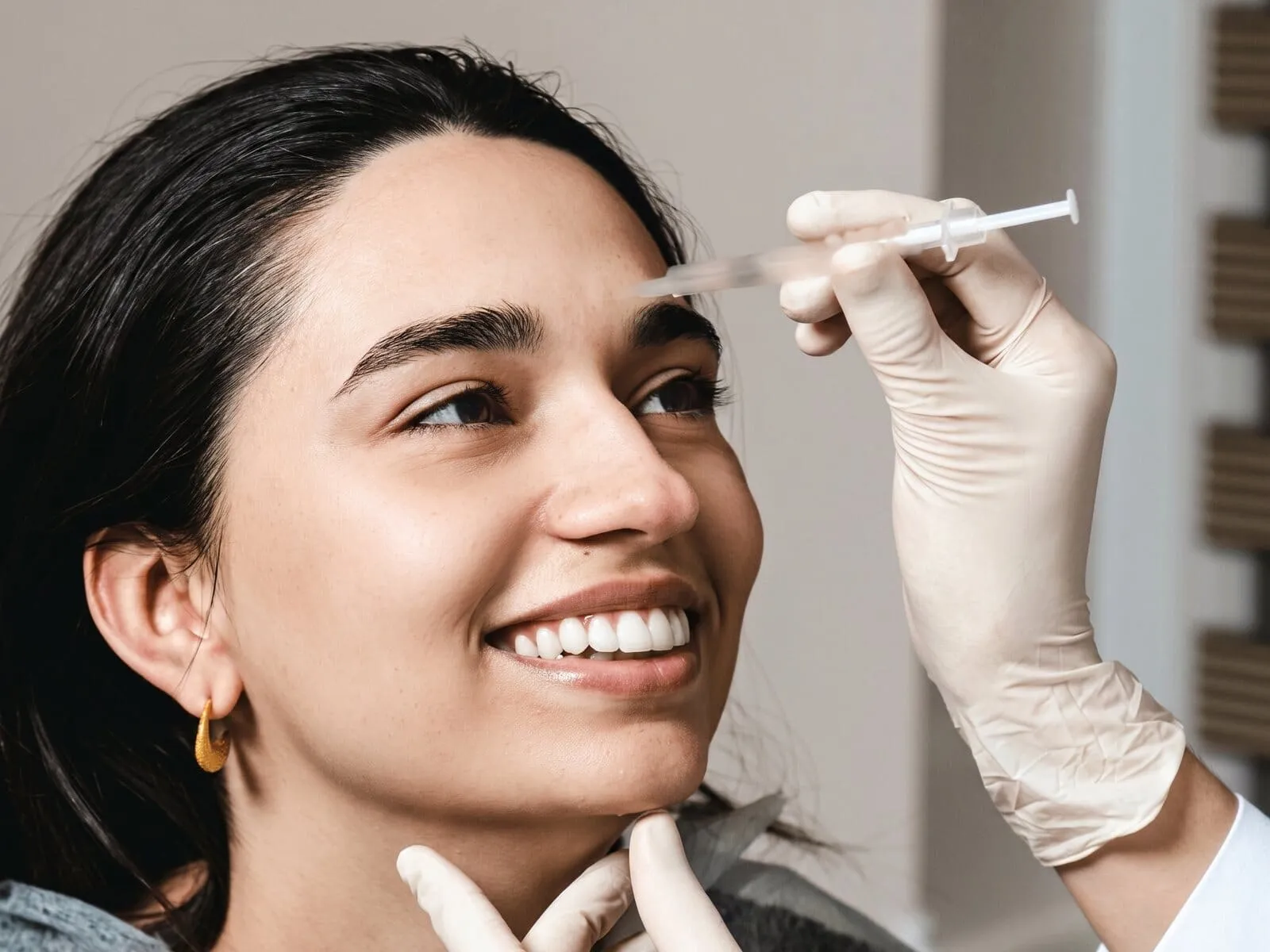
Neurotoxins
Botox, Dysport, and Newtox/Jeuveau are purified botulinum toxin, placed in small doses into the muscles that fold your skin when you frown or squint. Relaxing the muscle softens the line it makes. For lines that appear when your face moves: forehead lines, frown lines, and crow's feet.
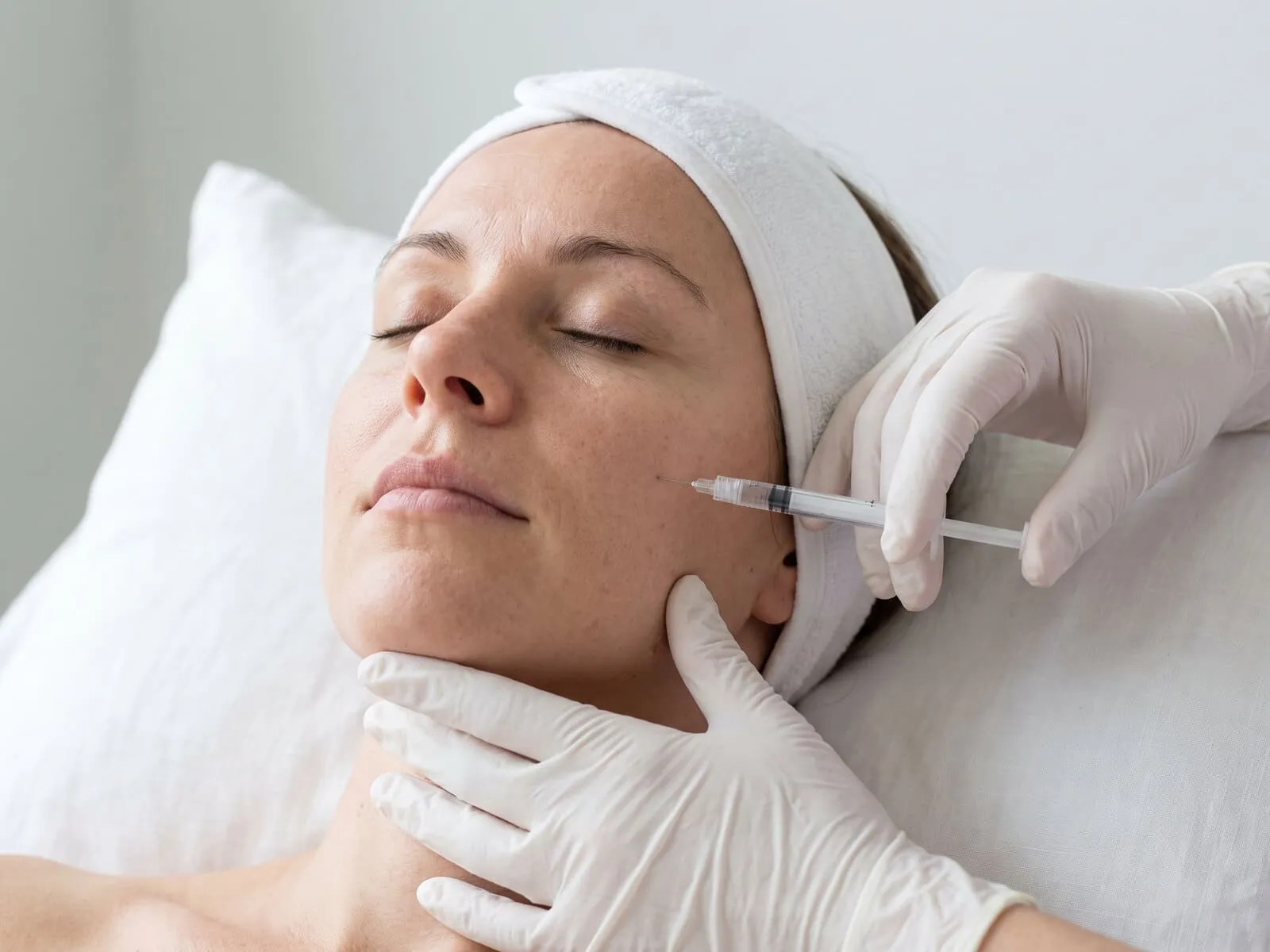
Dermal Fillers
Juvederm, Restylane, RHA, and Revanesse (Versa) are hyaluronic acid gels, placed under the skin where volume has gone. They add shape back where they sit, and the change is there the same day. For flattened cheeks, thin or uneven lips, and hollowing under the eyes.
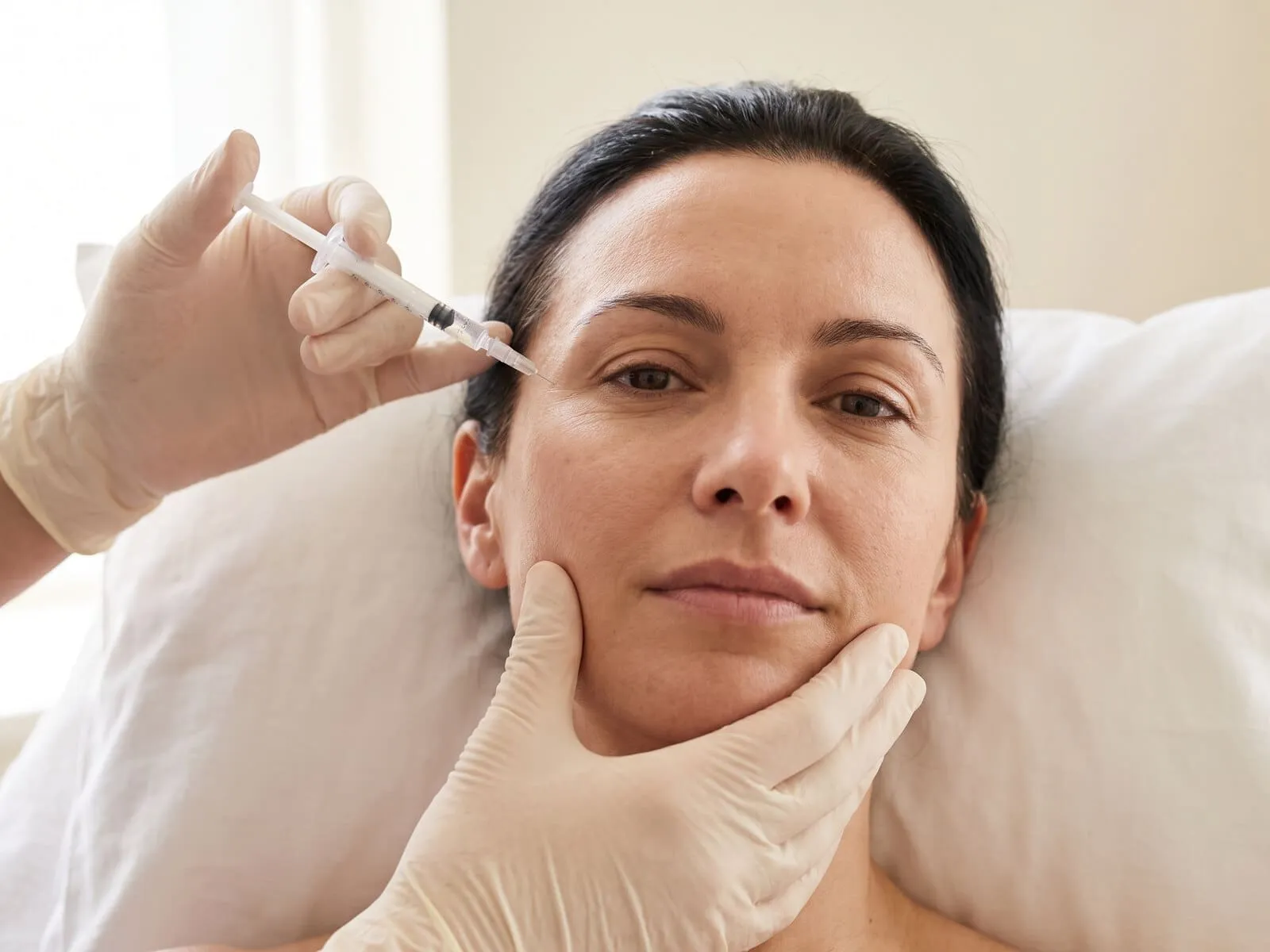
Biostimulators
Sculptra, Radiesse, and Bellafill prompt your own body to build collagen instead of adding volume outright. The change builds gradually over a course of sessions rather than appearing the same day. For overall thinning and laxity rather than one hollow you can point to.
The injectable products Dr. Mikki uses
Ten FDA-approved products across the three families, and the differences between them are real ones — consistency, how far the product spreads, how long it holds. Which one is right is a decision Dr. Mikki makes with your anatomy in front of her, and every duration below is a typical range rather than a promise.
Neurotoxin brands
Purified botulinum toxin, placed in small doses into the muscle that folds the skin.
-
Botox
An FDA-approved injectable used on forehead lines, crow's feet and the vertical frown lines between the eyebrows. It is more concentrated and more precise, which suits smaller areas.
-
Dysport
A prescription injectable for lines caused by repeated facial movement. It has a thinner consistency and spreads further, so it suits larger areas such as the forehead.
-
Jeuveau (Newtox)
A botulinum toxin developed specifically for cosmetic use, aimed at frown lines. Onset is slightly faster than Botox and it may last just as long.
Dermal filler brands
Hyaluronic acid gels that occupy the space where volume has gone, from the day they are placed.
-
Juvéderm
A hyaluronic acid line used for lip volume, cheek volume and deeper wrinkle correction. Formulas include Ultra, Voluma, Volbella and Vollure.
-
Restylane
A versatile hyaluronic acid filler for lips, cheeks, under-eyes and nasolabial folds. Formulas include Lyft, Kysse, Refyne and Defyne.
-
RHA (Resilient Hyaluronic Acid)
Designed to move with your expressions rather than sit stiffly, so it suits dynamic wrinkles, deep folds and natural lip enhancement. Available as RHA 2, 3 and 4.
-
Revanesse Versa
A smooth hyaluronic acid filler formulated to minimise swelling and bruising. Used for nasolabial folds, lips and under-eye hollows.
Biostimulator brands
Injectables that prompt your own body to build collagen, so the change arrives gradually.
-
Sculptra
Poly-L-lactic acid (PLLA), which stimulates your own collagen rather than adding volume outright. Typically two to three sessions spaced four to six weeks apart; results last two to three years.
-
Radiesse
Calcium hydroxylapatite (CaHA) microspheres in a gel: immediate contouring, then collagen stimulation after. Usually one session, with results lasting twelve to eighteen months.
-
Bellafill
PMMA microspheres suspended in collagen — immediate volume plus long-term structural support. FDA-approved for acne scars, and the longest-lasting of the three at up to five years.
Where injectables are placed
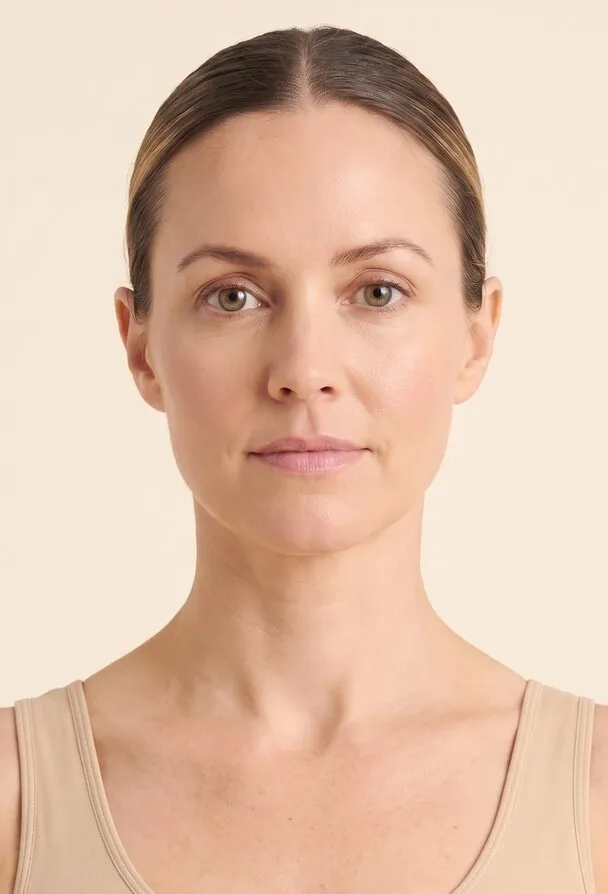
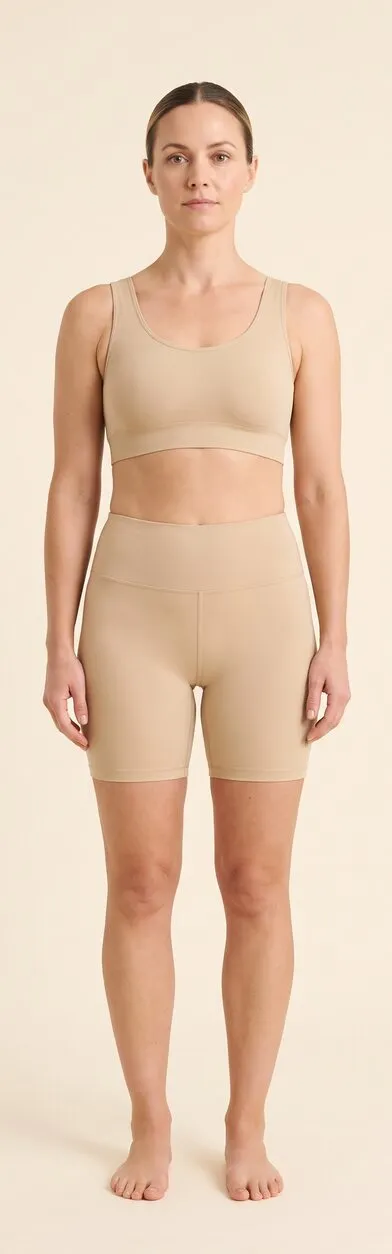
The three families share the middle of the face and separate at the edges of it. Only neurotoxin treats a sweating or clenching problem, only filler rebuilds a nose or a chin without surgery, and only biostimulators work below the waist. Find your concern in a list, then read the number back onto the figure beside it.
Neurotoxin treatment areas
A neurotoxin relaxes a muscle. Every area below is somewhere a muscle is doing something you would rather it did less of.
-
Forehead wrinkles
Relaxes the muscle that lifts the brow, so the horizontal lines it draws soften rather than being filled.
-
Frown lines (11 lines)
The two vertical lines between the brows are made by the muscles that pull them together. Those are the muscles treated.
-
Crow's feet
The ring of muscle around the eye is relaxed, so the fan of lines at the outer corner eases when you smile.
-
Brow lift
Relaxing the muscles that pull the brow down leaves the ones that lift it unopposed, which raises the brow without surgery.
-
Bunny lines
The small diagonal creases across the bridge of the nose come from scrunching it. That muscle is relaxed too.
-
Lip lines
The fine vertical lines around the mouth ease as the ring of muscle in the lip relaxes. This is a light dose, not volume.
-
Lip flip
A few units at the upper lip border let the lip roll slightly outward, so it reads fuller with no filler placed inside it.
-
Nose contour
Relaxes the muscle that pulls the tip of the nose down when you talk or smile, so the tip stays where it sits at rest.
-
Jawline contouring
Softens a squared-off jaw line by relaxing the muscle bulk sitting on the jaw angle.
-
Masseter and facial slimming
The chewing muscle is relaxed, which eases clenching and narrows the width of the lower face.
-
Neck bands (tech neck)
The vertical cords that stand out down the neck are muscle, not skin. Relaxing them lets the neck sit smoother.
-
Hyperhidrosis (excessive sweating)
The nerve signal that contracts a muscle also switches on a sweat gland. Blocking it under the arms is what reduces sweating there.
Dermal filler treatment areas
A hyaluronic-acid filler adds volume the moment it goes in. Every area below is somewhere volume has been lost or was never there.
-
Temples
Gel replaces the volume lost at the temple hollow, which is what makes the upper face read drawn.
-
Forehead lines
Lines still visible when the face is at rest are supported from underneath instead of relaxed.
-
Under-eyes (tear troughs)
A small amount of soft gel in the hollow under the eye, placed to level the step between lid and cheek.
-
Cheeks
Volume restored on the cheekbone itself. That is structure returned, not a lift of the skin over it.
-
Nose (non-surgical rhinoplasty)
Gel used to smooth a bump or define the bridge and the tip without surgery.
-
Nasolabial folds (smile lines)
The fold from nose to mouth corner is softened by supporting the tissue that has dropped into it.
-
Marionette lines
The lines running down from the corners of the mouth are filled to take the downturn out of them.
-
Lips
Hyaluronic acid adds volume and shape to the lip body itself, which is the whole difference between this and a lip flip.
-
Chin
Projection added at the chin, which changes the profile line without an implant.
-
Jawline
Gel run along the jaw border restores a defined edge where it has softened.
-
Neck and décolletage
A thinner gel for crepey skin on the neck and for the fine chest lines that sun and side-sleeping leave.
-
Hands
Volume back over the back of the hand, where tendons and veins start to show once the fat pad thins.
Biostimulator treatment areas
A biostimulator builds your own collagen instead of adding gel, so every area below fills in over sessions rather than on the day.
-
Temples
The hollow is rebuilt with collagen rather than filled with gel, so what ends up there is your own tissue.
-
Forehead and brow
Support rebuilt across the upper face, which firms the skin generally rather than treating one line.
-
Cheeks
The most commonly treated biostimulator area: volume that arrives across sessions as collagen forms around the product.
-
Under-eyes
Treated for the quality and thickness of the thin lower-lid skin, not to fill a hollow the way a filler does.
-
Nasolabial folds (smile lines)
The fold is addressed by rebuilding the tissue above it, so it softens as the collagen develops.
-
Marionette lines
Collagen support at the corners of the mouth, built gradually rather than placed on the day.
-
Jawline and chin
Structure returned along the jaw border and at the chin as new collagen forms.
-
Neck and décolletage
Texture and firmness on the neck and chest, where the skin is thin and creases early.
-
Hands
Volume and skin thickness over the back of the hand, built rather than injected in.
-
Buttocks (Sculptra BBL)
Sculptra used for shape and skin texture without an implant and without a fat transfer.
-
Thighs and arms
The same collagen stimulation over a much larger area, aimed at skin texture and firmness rather than contour.
-
Acne scars (Bellafill)
Bellafill is FDA-approved for acne scars: its microspheres give the skin long-term collagen support underneath the scar.
Volume and lift are two different treatments
Cheek and midface filler restores volume; it does not lift skin that has grown lax. Fillers and biostimulators are often marketed as interchangeable, and they are not.
| Feature | Dermal Fillers (HA) | Biostimulators |
|---|---|---|
| Adds volume the moment it's injected | Included | Not included |
| Builds volume gradually by stimulating your own collagen | Not included | Included |
| Reversible with hyaluronidase if a correction is needed | Included | Not included |
| FDA-approved lines Medrein carries | Juvederm, Restylane, RHA, Revanesse | Sculptra, Radiesse, Bellafill |
What an injectable appointment looks like
Consultation, as its own appointment
Injectables take two appointments. At the first, Dr. Mikki examines your face and your skin, takes your medical history, explains the procedure and confirms whether you are a candidate before anything is scheduled.
Numbing
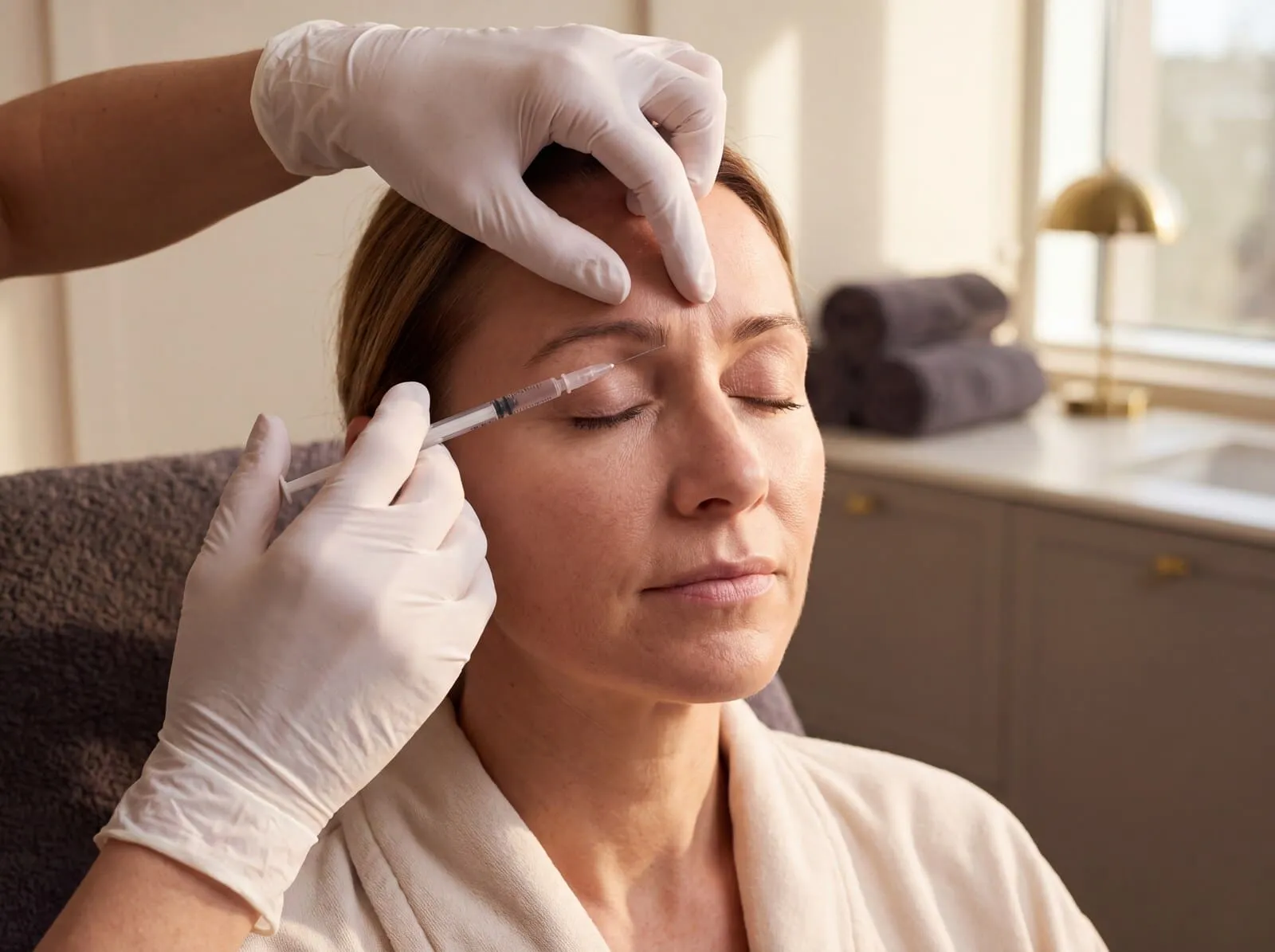
The treatment appointment opens with numbing cream on the areas being treated, so the placement itself is comfortable. Ultra-fine needles do most of the work.
Placement
The product agreed at consultation is placed into the agreed areas. The injecting takes around thirty minutes; the appointment runs anywhere from fifteen minutes to an hour depending on how much is being treated.
When it shows
Filler is there the same day. Neurotoxin begins to appear in three to five days and reaches full effect at about two weeks. Biostimulator collagen builds over a course of sessions rather than in one. Individual results vary.
Aftercare and side effects
Injectables are non-surgical and most side effects settle within hours or a few days. They are still prescription medicine placed under your skin, so Dr. Mikki goes through both lists with you before you agree to anything, and you leave with a number to call.
Aftercare in the first 72 hours
- Do not touch the treated areas for at least six hours.
- Leave the bath or shower until after that first six hours; a mild cleanser on the face is fine from then.
- Stay out of swimming pools and off the beach while the area settles.
- Avoid intense heat and sun exposure.
- Skip strenuous exercise.
- No smoking and no alcohol.
- No other cosmetic treatments for two weeks.
- Avoid aspirin, garlic, vitamin A, vitamin E and other fatty acids for three to seven days.
- Keep drinking water — staying hydrated helps you heal and helps hold the result.
Possible side effects
- Mild swelling, redness or bruising at the injection site.
- A temporary headache or slight discomfort after neurotoxin.
- Rarely, slight drooping of the eyelid (ptosis) or asymmetry after neurotoxin, which resolves over time.
- Lumps or unevenness after filler, which can be corrected.
- Infection, which is rare but possible.
- Filler migration, if too much product is placed in one area, the technique is wrong, or the area is pressed or massaged afterward. Hyaluronic acid filler can be dissolved with hyaluronidase.
- Vascular occlusion after filler: rare, serious, and treated immediately.
Why patients trust the plan
These reflect common patient sentiment rather than verbatim quotes, and individual results vary.
I actually asked for more filler in my cheeks, and Dr. Mikki talked me out of it. She said my face didn't need it and explained that adding more would look bulky rather than lifted. I left with a plan that used less product than I expected, and it still looked like an improvement, just a subtler one. Results may vary, but being told no was worth more to me than another syringe.
A quick Jeuveau appointment that still started with a proper look at my face.

Frequently asked questions
What is the difference between Neurotoxins, Dermal Fillers, and Biostimulators?
Neurotoxins relax the muscle that creates an expression line. Dermal fillers are hyaluronic acid gels that restore lost volume. Biostimulators prompt your body to build its own collagen. Medrein carries Botox, Dysport, and Newtox/Jeuveau; Juvederm, Restylane, RHA, and Revanesse (Versa); and Sculptra, Radiesse, and Bellafill.
Will filler make my face look overdone?
Not when it is placed where volume is actually missing. Filler restores lost volume; it does not lift skin that has grown lax. Dr. Mikki confirms which of the two you have at consultation before recommending a treatment.
What is a biostimulator, and how is it different from a filler?
A biostimulator prompts your body to build its own collagen over time. A hyaluronic acid filler adds volume immediately. Sculptra builds gradually across several sessions, and Bellafill is a quicker one-and-done option. Which one fits depends on your timeline and your goals.
How long do neurotoxins and dermal fillers last?
Neurotoxins typically last three to four months, depending on your metabolism and muscle strength. Hyaluronic acid fillers generally last six to eighteen months, depending on the area and the product used. Results may vary, and Dr. Mikki reviews the expected timeline for your treatment at consultation.
Am I a candidate for injectables?
That depends on your anatomy, your goals, and your health history, so candidacy is individual. Dr. Mikki examines your face at consultation and tells you what you do and do not need before anything is scheduled.
How much do injectables cost?
Pricing is quoted per treatment at consultation, because the total depends on the product used and the area treated. The Beauty Club membership is $100 a month and includes $9-a-unit Jeuveau and $50 off fillers for patients who want recurring care.
How do I book?
Book a consultation online through our scheduling partner, or call the clinic at (214) 702-5225.
Do injectables hurt?
Most patients feel little more than a pinch. The injections are quick and use ultra-fine needles, numbing cream is applied first, and further numbing options are available on request.
When will I see results?
Filler volume is visible the same day. Neurotoxin starts to show in three to five days and reaches full effect at about two weeks. Biostimulators build gradually across a course of sessions. Results may vary.
Which injectable fits your face?
Dr. Mikki examines your face, confirms candidacy, and tells you what you do not need.
4.8★ from 128 verified Google reviews