 Medically reviewed by
Dr. Haritha Mikkilineni, MD
Medically reviewed by
Dr. Haritha Mikkilineni, MD
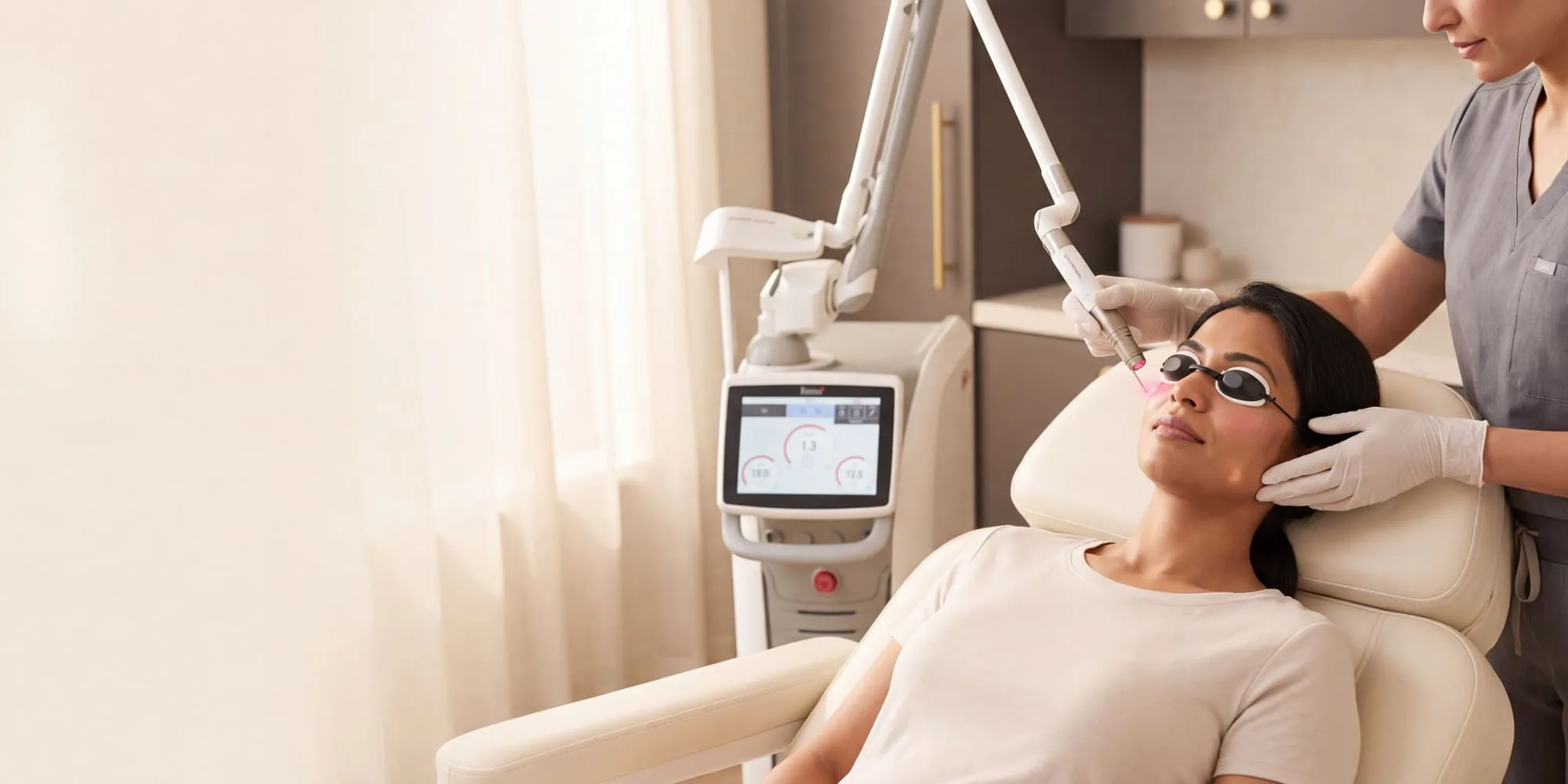
Picolaser for Melasma and Pigmentation in Southlake, TX
Pigmentation is treated in Southlake on a genuine Fotona StarWalker picolaser, an FDA-cleared device, with every plan set by Dr. Mikki. Its MaQX Pro picosecond and Q-switched modes treat melasma, hyperpigmentation, sun spots, and panda eyes.
- Google 4.8★
- Yelp 5.0★
The four pigment concerns we treat
Melasma, sun spots and sun damage, post-inflammatory marks, and panda eyes are four different problems that all look like brown patches in the mirror. Start with the one that brought you in. Dr. Mikki confirms which one it is before any setting is chosen, on the Picolaser or on the Fotona platform.
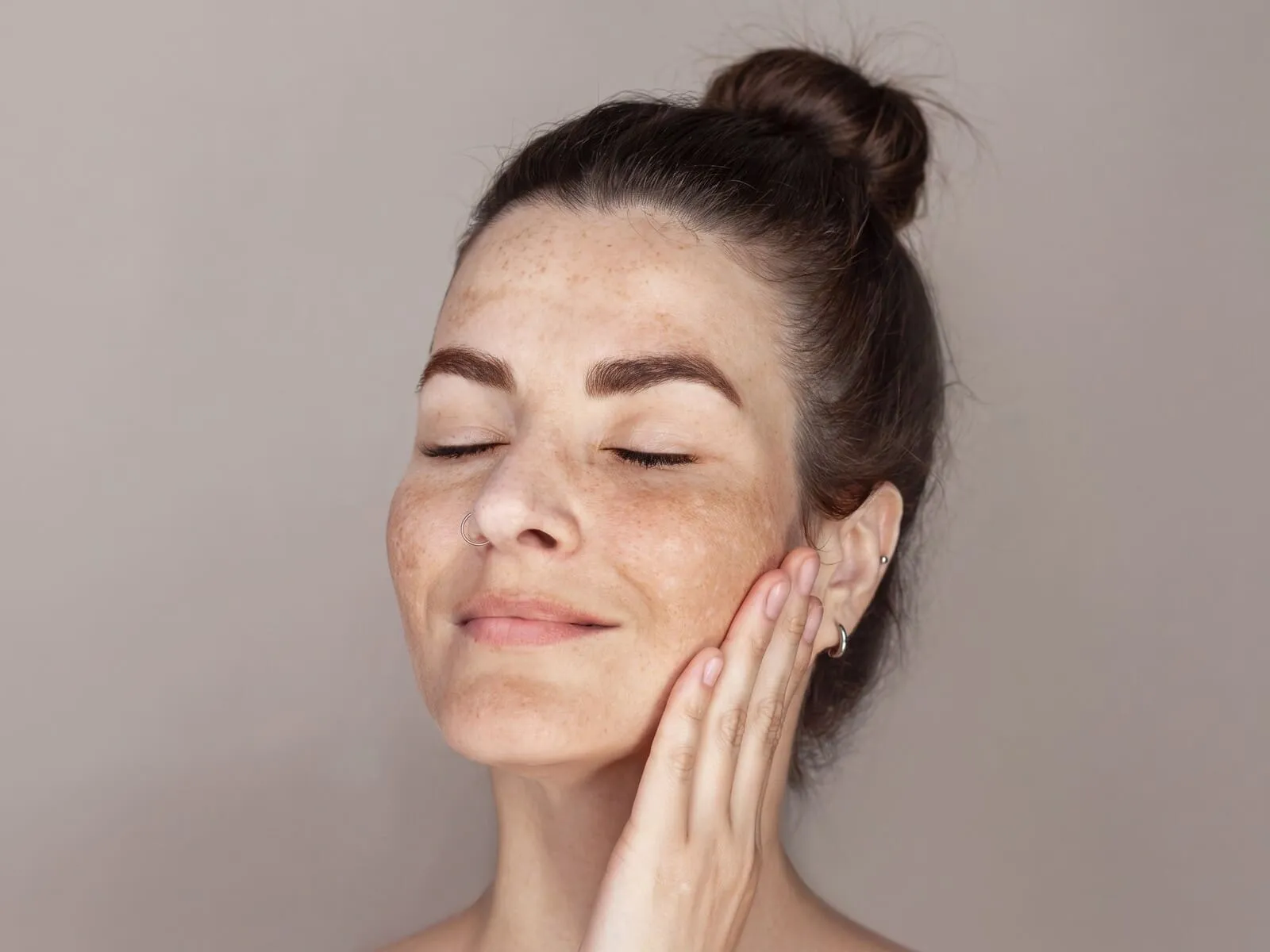
Melasma
Symmetrical brown or grey-brown patches, usually across the cheeks, forehead, and upper lip. Melasma is driven by hormones as much as by sun, which is why it comes back and why added heat can make it worse.
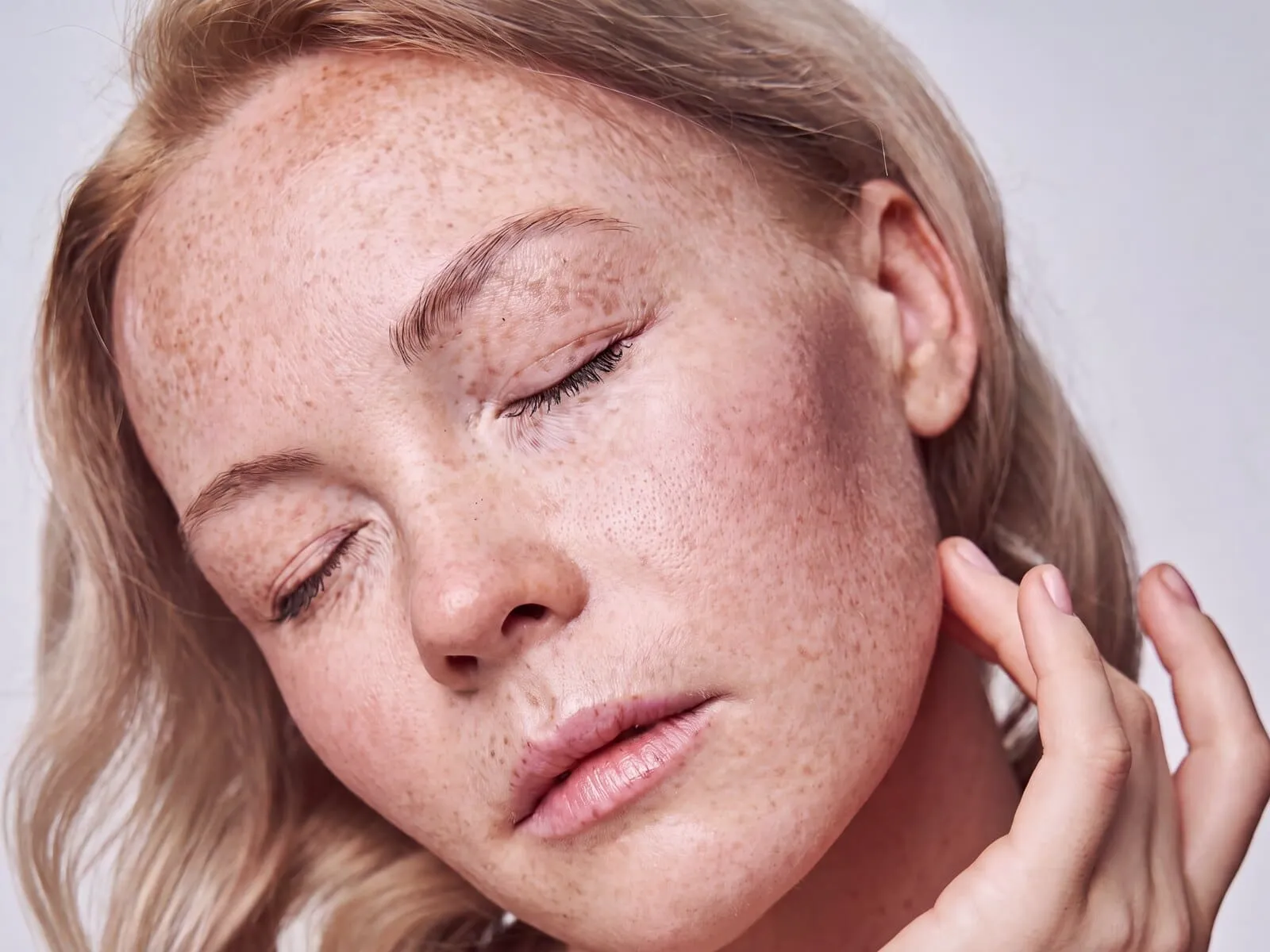
Sun Spots & Sun Damage
Flat brown spots on the face, chest, and hands, and the dull, uneven tone and roughened texture around them. They are the same sun exposure showing up two ways: the spots are where the pigment concentrated, the dullness is the rest of it.
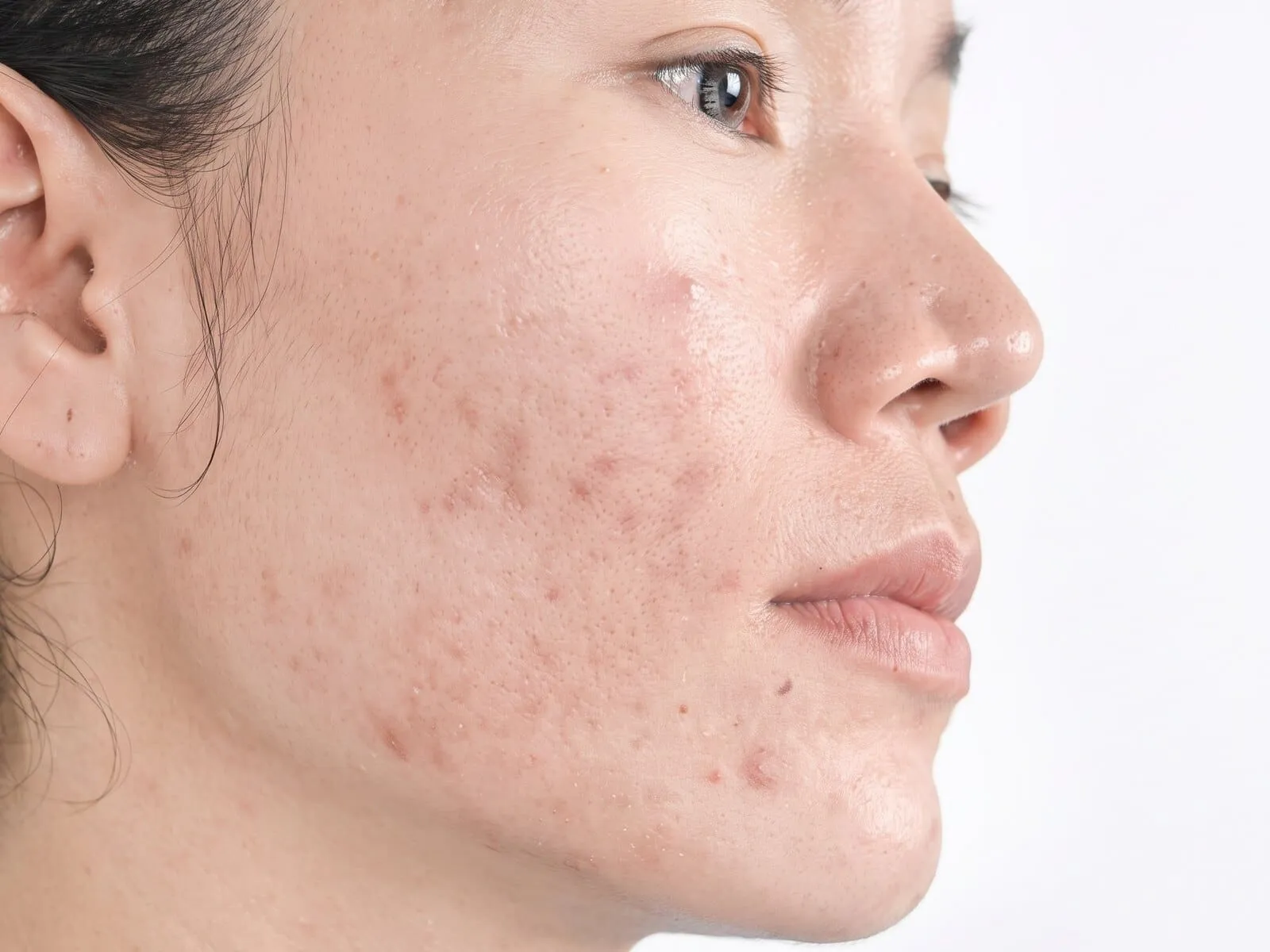
Hyperpigmentation
Darker patches left behind where the skin was inflamed — a breakout, a rash, a scratch, a previous treatment. The mark outlasts the thing that caused it because the pigment settles deeper than the surface.
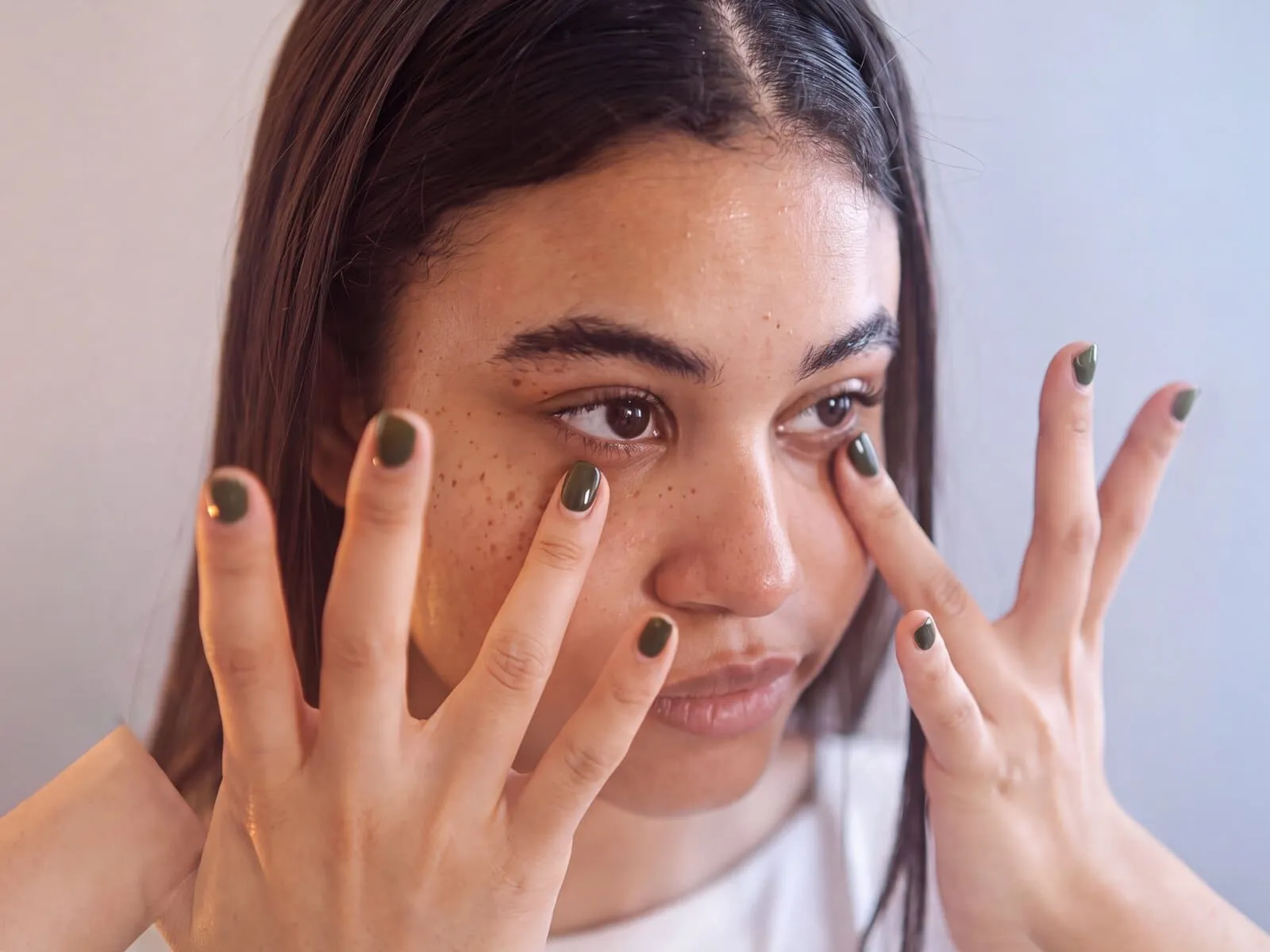
Panda Eyes
Dark rings around the eyes that persist whatever you do about sleep. Panda eyes can be pigment in very thin under-eye skin, a hollow tear trough casting a shadow, or vessels showing through — and the three are not the same problem.
PicoGenesis for hyperpigmentation
PicoGenesis is the Picolaser treatment that runs on the StarWalker, and it is aimed at hyperpigmentation, melasma, sun spots, age spots, post-inflammatory marks and uneven skin tone. Pigment is treated here on Pico and Q-switched settings on that one Fotona StarWalker platform — the pairing Dr. Mikki treats as the gold standard for pigment work, and the reason a single machine covers the whole list below.
Ultra-short pulses shatter the pigment into particles small enough for your body to clear on its own, and because the pulse is shorter than a traditional laser's it puts less heat into the skin around it. Where a surface treatment works on the top of the skin, the pulse reaches the melanin sitting deeper than that, which is what evens tone rather than only brightening it. Most patients need two to four sessions, depending on how severe the pigmentation is.
Benefits of PicoGenesis
- Ultra-fast energy delivery
- The pulse is over in trillionths of a second, so the pigment takes the energy before the skin around it can.
- Less heat, more precision
- Shorter pulse, less thermal spread — which is what matters on pigment that heat can make worse.
- Effective across skin types and tones
- The pass is selective for pigment rather than for the surface, so it is not restricted to fair skin the way older light-based devices are, and darker tones are treated on it too.
- Collagen stimulation
- The same pass prompts collagen underneath, so tone and texture tend to move together.
- Minimal discomfort, minimal downtime
- A session usually runs 20 to 30 minutes, most patients describe it as a warm prickle rather than pain, and most go back to their day afterwards.
Other pigment treated on the same platform
The four cards above are the concerns with a page of their own; these are the rest of the list. Each is assessed on its own — the cause, the depth and where it sits all change what setting fits, and some of these are not laser work at all.
- Age spots — The same flat tan lentigines as facial sun spots, in the places that are rarely covered up — the backs of the hands, the forearms and the chest. They are cumulative sun rather than a recent burn.
- Freckles — Small light-brown spots that darken through the summer and fade back in winter. Freckles are inherited rather than damage, which is why they return each year unless the skin is protected.
- Birthmarks — Pigmented marks present at birth or appearing in early childhood. Whether one can be treated depends on how deep the pigment sits, and that is a question for the consultation rather than for a website.
- Uneven skin tone — Dullness and patchiness with no single mark to point at — the background tone rather than a discrete spot. It usually sits alongside one of the four concerns above rather than on its own.
- Acne scars — What a breakout leaves behind. Where the mark is brown it is pigment and answers to a pigment plan; where it is a dent in the surface it is texture, and texture is microneedling work.
What a Picolaser course looks like
Name the pigment first
Melasma, post-inflammatory marks and sun damage look alike in a mirror and do not behave alike under a laser. Dr. Mikki confirms which one you have before any setting is chosen.
The pass itself, around 30 minutes
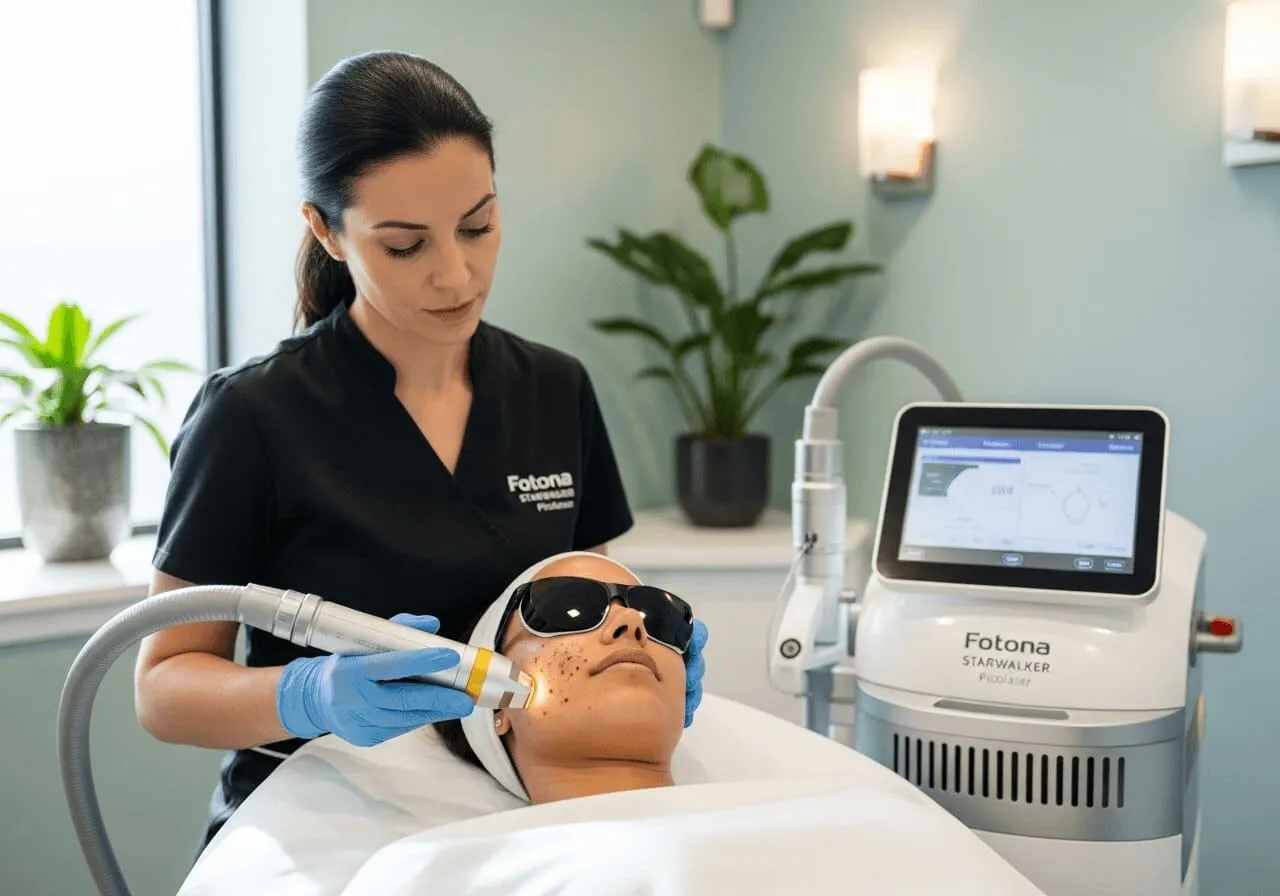
Picosecond pulses are aimed at the pigment, with a Q-switched pass on the same Fotona StarWalker where the pigment calls for it. Most patients are in and out inside an hour.
A short series, spaced monthly
Most patients need two to four sessions; deeper or more widespread melasma is often four to six, spaced about a month apart. The exact count is set at consultation rather than promised in advance.
Sun protection, permanently
Pigment can return after treatment — sun exposure is the main reason it does. A high-SPF sunscreen your physician recommends is part of the plan, not an afterthought, and some patients need occasional maintenance sessions.
Hyperpigmentation and skin lightening treatment options
What your skin assessment shows and what your health history allows decide the plan. Dr. Mikki and the aesthetics team may use one of these or several together.
Topical products
Hydroquinone, kojic acid and ascorbic acid, used to even out patches and lift discolouration. They work on melanin production over weeks rather than in a session, and often run alongside a laser plan rather than instead of one.
Chemical peels
Our chemical peels exfoliate the skin in a controlled way, breaking up pigment so that it rises to the surface and sheds on its own.
Microneedling
A non-surgical approach that prompts the skin to build a new layer, replacing marked surface with more evenly coloured and textured skin. We reach for microneedling where the pigment sits alongside scarring or texture rather than on its own.
Glutathione skin lightening
An antioxidant that damps down tyrosinase, the enzyme that drives melanin, and so lightens tone and softens dark spots and acne marks. It comes as oral supplements and creams; here it is given as a supervised infusion rather than by mouth.
IPL
Intense pulsed light, used for uneven tone and sun spots. It is not right for everyone: on deeper and more reactive skin tones IPL can itself cause hyperpigmentation, so Dr. Mikki rules it in or out rather than offering it by default.
Laser skin resurfacing
Laser energy aimed at melanin or at water in the skin, used for post-inflammatory pigmentation. Our laser resurfacing runs picosecond and fractionated passes on Fotona platforms.
PicoNano and Q-switch lasers
The Fotona StarWalker itself. Q-switched light is selective enough to break pigment apart without ablating the skin over it, which is what makes the pass workable across skin types and tones and what opens up the other things this platform treats.
After your Picolaser treatment
Possible side effects
- Mild swelling over the treated area.
- A burning sensation at the treatment site.
- Redness where the pulses landed.
- These usually settle on their own within a few days. A cold compress on the area helps with the discomfort.
What to do while it settles
- Do not touch, scratch or rub the treated skin — it needs to heal undisturbed.
- Skip makeup and any skincare that could irritate the area until it has settled.
- Stay out of the sun, and wear a high-SPF sunscreen your physician recommends if you have to be out in it.
- Expect follow-up treatments to maintain the result — pigment can recur, and your daily routine is part of whether it does.
What a Picolaser changes about pigment treatment
A picosecond pulse lasts trillionths of a second. That speed is what does the work on your pigment.
- Less heat
- The pulse breaks pigment apart before much heat can spread into the skin around it.
- Calibrated, not preset
- Lower heat means the setting can be matched to your skin and your pigment, instead of fixed in advance.
- A genuine platform
- Yours runs on a real Fotona StarWalker MaQX Pro, the platform behind our laser skin resurfacing work too.
Dr. Mikki confirms you are a candidate before anything is scheduled.
Why patients trust the plan before the laser
These reflect common patient sentiment rather than verbatim quotes, and individual results vary.
I'd tried an at-home lightening cream and one laser session somewhere else that never touched my melasma. At Medrein, Dr. Mikki explained why the pulse length mattered for my pigment before we started, and the plan felt calibrated to me instead of a generic setting. Results may vary, but knowing why that setting was chosen is what got me to book.
She explained what the pulse would do before she used it, not after I asked.

Pico laser FAQs
What is Picolaser treatment, and how is it different from other lasers?
Picolaser treatment delivers energy in picosecond pulses, bursts measured in trillionths of a second, that fracture pigment particles with less heat transferred to the surrounding skin than older Q-switched lasers with longer pulses. At Medrein Health, Picolaser treatments are performed on a genuine Fotona StarWalker MaQX Pro platform, not a gray-market or knock-off device.
Pico laser vs Q-switched laser: which does Medrein use?
Both, on the same Fotona StarWalker. A Q-switched laser fires in nanoseconds, billionths of a second, and has a long track record on deeper pigment and tattoo ink. A picolaser fires far shorter pulses, measured in trillionths of a second, so it breaks pigment into finer particles with less heat reaching the skin around it. Dr. Mikki chooses the mode, or a combination of the two, for your pigment at consultation.
Which pigment concerns does Picolaser treat?
Melasma, hyperpigmentation (including post-inflammatory hyperpigmentation), sun spots, and panda eyes are the concerns most commonly treated with Picolaser at Medrein Health. Each concern is assessed on its own at consultation, since the cause, depth, and location change what setting fits.
Is Picolaser safe for all skin types, including darker skin tones?
Yes, Picolaser platforms can be calibrated across skin types and tones, and Dr. Mikki assesses your skin and history before recommending a laser or a setting. Candidacy is individual, and nothing is scheduled before that assessment is complete.
Can a laser make my pigment worse instead of better?
The wrong laser or setting can add more heat than pigment-prone skin needs, which is why candidacy and calibration happen before any device is turned on. Results may vary, and Dr. Mikki will tell you directly if a laser is not the right fit for your pigment before you book.
How many Picolaser sessions does a treatment plan usually take?
Most patients need two to four sessions, spaced about a month apart; deeper or more widespread melasma is often four to six. The exact count depends on the pigment concern, how deep it sits, and how your skin responds, so the plan is set at consultation rather than promised in advance. Results may vary, and there is no guaranteed timeline.
How do I book a Picolaser consultation?
Book online through our scheduling partner or call the clinic at (214) 702-5225. The consultation confirms candidacy and the treatment plan, with no obligation to proceed.
How long does post-inflammatory hyperpigmentation take to fade on its own?
PIH can fade without treatment, typically anywhere from three months to two years depending on how large and how dark the patch is, but the timeline is unpredictable. Fresh marks can also appear in the meantime, or the same ones can return after fading.
Do at-home depigmentation products work?
Some at-home products can help somewhat, but how much varies a great deal between products and between people. If your pigment is strong or covers a larger area, it is worth having it looked at professionally before spending months on a routine that may not reach it.
What does Picolaser pigment treatment cost?
Cost depends on the concern, the area and the number of sessions your plan calls for, and pigment differs enough between people that a single list price would be misleading. Call the clinic at (214) 702-5225 or book a consultation for a quote specific to your skin.
Is Picolaser right for your pigment?
One consultation with Dr. Mikki confirms your candidacy and the setting your skin needs.
Board-certified MD · NPI 1891947438 · Licensed in TX and NM · 4.8★ from 131 Google reviews