EndoTight/Endolift Skin Tightening in Southlake, TX
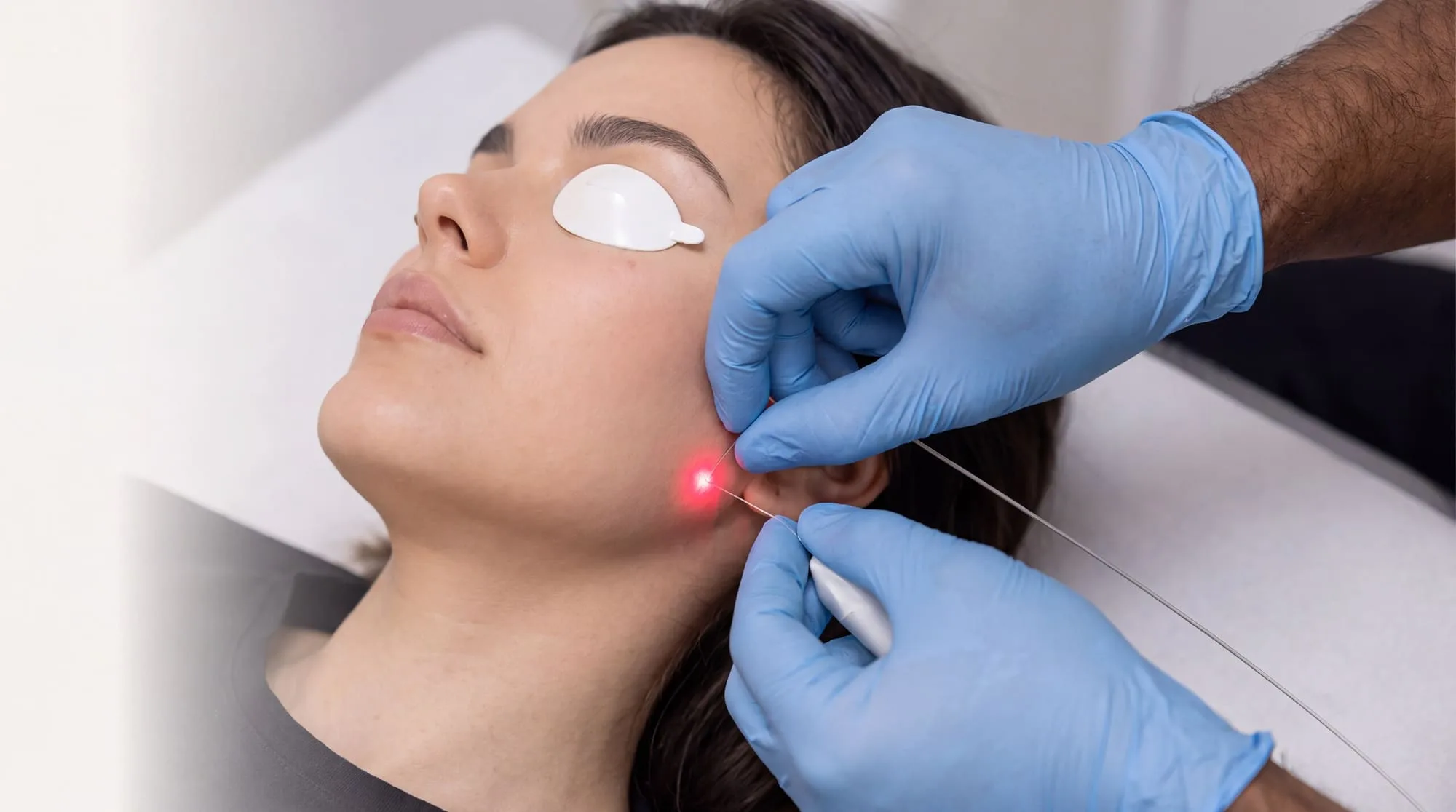
EndoTight, the newer generation of Endolift, is a laser skin tightening treatment that firms and lifts skin on the face, neck and body without surgery. A session takes 60 to 90 minutes.
- Google 4.8★
- Yelp 5.0★
EndoTight rebuilds collagen to lift skin on the face and the body
EndoTight (Endolift) is laser skin tightening delivered through an ultra-thin optical fiber placed just beneath the skin. The fiber heats tissue from below to rebuild collagen, so the skin tightens without an incision and without added volume. The same fiber treats the face, the neck and the body, and it melts small pockets of fat while it tightens.
What EndoTight is used for
The areas EndoTight treats, head to knee
EndoTight is not a face treatment that happens to work elsewhere. Dr. Mikki treats the face, the neck and the body with the same fiber, and maps the areas that fit your goals at consultation.
Face & neck
Where most patients start, and where EndoTight is used at Medrein as a non-surgical neck lift.
-
Jawline tightening
Collagen rebuilt along a softened jaw border, with small-fat reduction in the same pass.
-
Neck skin tightening
Loose neck skin firmed through the same fiber, under local numbing, with no incision.
-
Jowl treatment
Support rebuilt in the tissue itself rather than filler added on top of it.
-
Under the chin
A small submental fat pocket reduced while the skin above it tightens.
-
Under-eye area
Eye bags treated as skin and fat together — the pad reduced, the thin skin firmed.
Body
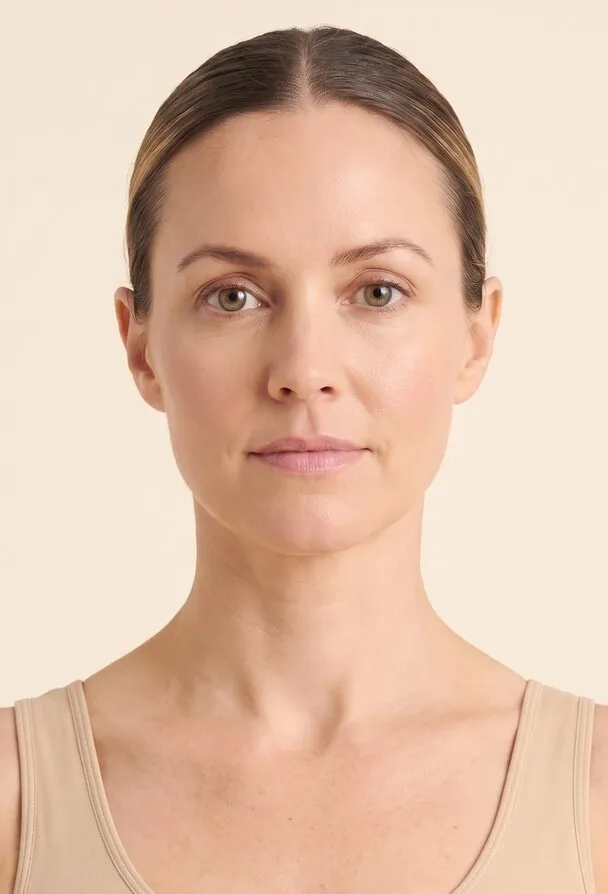
The same fiber and the same local numbing below the neck. This is the half of EndoTight most patients do not know exists.
-
Inner arms
Crepey upper-arm skin firmed without the scar surgery would leave.
-
Abdomen
Skin left loose after weight change or pregnancy tightened from beneath.
-
Inner thighs
Laxity and cellulite treated together — dimpling smoothed as the skin firms.
-
Knees
Loose skin above the knee: a small area and a short session.
-
Love handles
Localised flank fat melted rather than surgically removed. Small pockets only.
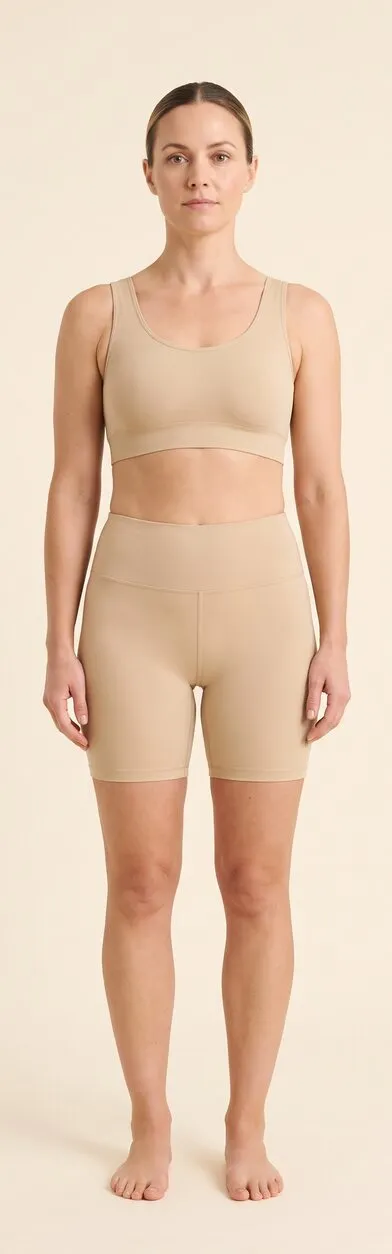
Below the neck, EndoTight/Endolift treats what resists diet and exercise but does not justify surgery. Session length scales with the area, and cellulite reduction and tightening happen in the same pass. Individual results vary.
EndoTight and Endolift are not the same laser
The two names are used interchangeably online, and they should not be. Both work endo-tissutale — under the skin, on sagging tissue and localised fat — but they run at different wavelengths.
| Axis of comparison | EndoTight (what Medrein uses) | Endolift |
|---|---|---|
| Wavelength | EndoTight:1064 nm | Endolift:1470 nm |
| Where it sits | EndoTight:The newer platform, a direct upgrade of Endolift | Endolift:The original laser-under-the-skin treatment, and the name most patients search for |
| How the energy behaves | EndoTight:Shorter wavelength, gentler thermal profile | Endolift:Longer wavelength, absorbed more aggressively by water and fat |
| Fiber | EndoTight:Finer fibers, so less disruption to surrounding tissue | Endolift:Standard fibers |
| Collagen remodeling | EndoTight:More controlled energy into the dermis, so firmer skin rather than simply more heat | Endolift:Effective, with less control over the energy delivered |
| Downtime | EndoTight:Less discomfort in the session and a faster return to normal activity | Endolift:A longer recovery after treatment |
| Visible results | EndoTight:Tend to arrive sooner and hold longer | Endolift:Slower to show |
| What it treats | EndoTight:Sagging skin and localised fat, face and body | Endolift:Sagging skin and localised fat, face and body |
What a session looks like
Consultation
Dr. Mikki assesses your skin, your medical history and your goals, and confirms whether EndoTight is the right rung of the ladder for you. You will get a plain answer if it is not.
Preparation
The area is cleansed and lidocaine is injected into the treatment area. There is no general anesthesia and no operating room.
Treatment
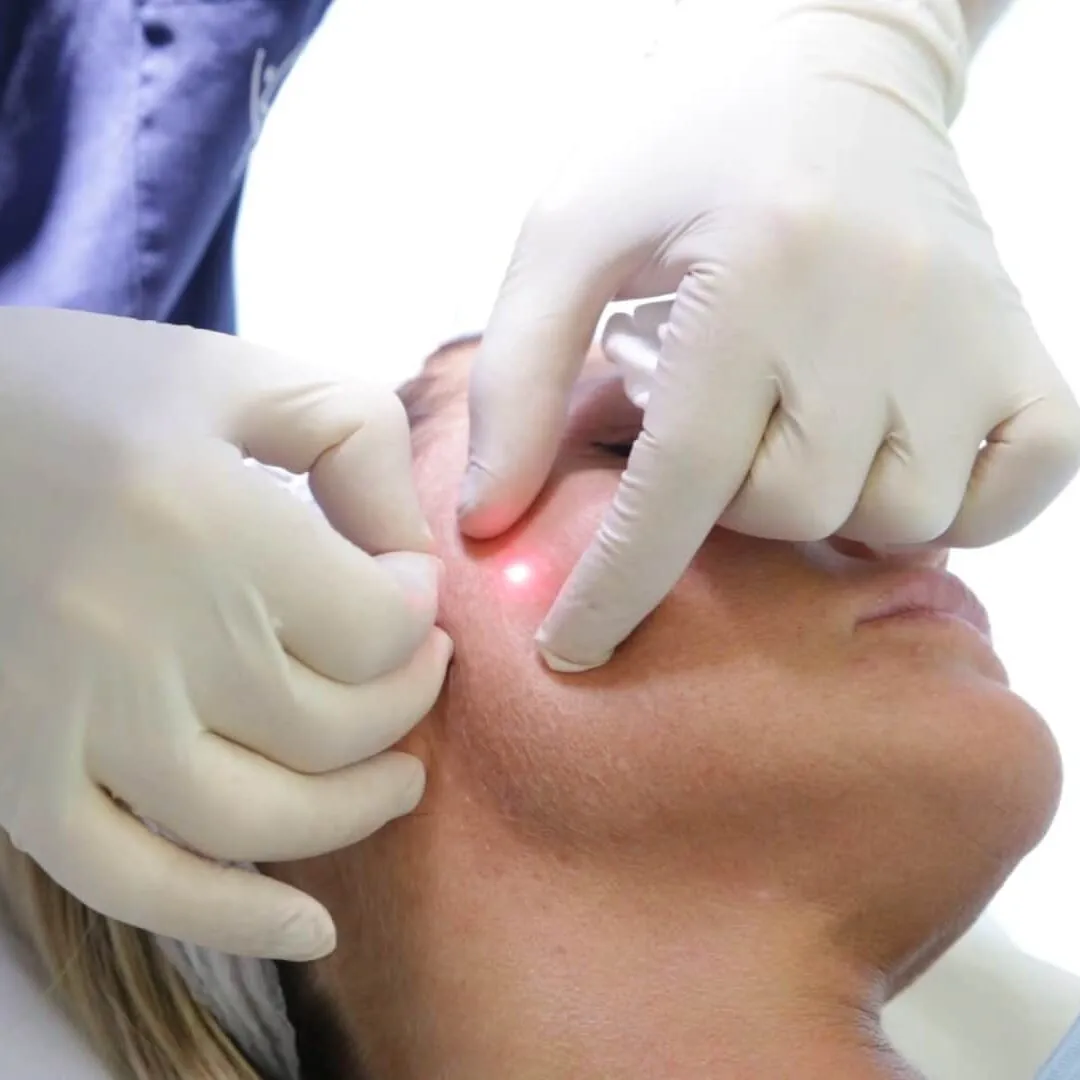
Single-use micro-optical fibers are placed just beneath the skin and laser energy is delivered into the deeper dermis. Most sessions run 60 to 90 minutes depending on the areas treated.
Aftercare
You go home the same day with written aftercare instructions. Redness, mild swelling or bruising usually settle within a few days.
EndoTight compared with a surgical facelift and dermal filler
A facelift and a dermal filler both treat laxity, but through a different mechanism than EndoTight. Where each one fits depends on how much laxity there is and how much downtime you can take.
| Feature | EndoTight (Medrein) | Surgical Facelift | Dermal Filler for Lift |
|---|---|---|---|
| No incisions or general anesthesia | Included | Not included | Included |
| Recovery measured in days, not weeks | Included | Not included | Varies |
| Tightens skin through collagen stimulation, not added volume | Included | Varies | Not included |
| Reduces small pockets of fat as well as tightening | Included | Varies | Not included |
| Treats the body as well as the face | Included | Not included | Varies |
Safety and what to expect afterward
Why EndoTight is considered safe
- Minimally invasive — laser energy tightens skin with very little disruption to surrounding tissue.
- Performed with an FDA-cleared laser platform for skin tightening and contouring.
- No general anesthesia — the treatment area is numbed with injected lidocaine.
- Most patients are back to normal activities within a day.
- Dr. Mikki, a board-certified physician, performs this treatment herself or directly supervises it.
Possible side effects
- Swelling and redness, temporary and usually gone within a few days.
- Bruising, which can occur and typically fades within a week.
- Mild discomfort in the treated area for a few days.
- Temporary numbness, which generally resolves over a few weeks.
- Rare risks including infection, burns or uneven tightening — uncommon with an experienced provider.
Who EndoTight is for
Dr. Mikki confirms candidacy at consultation against your skin and your medical history, and will tell you when a different treatment fits better — PDO threadlifts for laxity that needs lifting rather than tightening, RF microneedling for skin texture and mild laxity that does not need a fiber under it, TightSculpting where the goal is cellulite and firming without an entry point at all, or body contouring where the concern is volume rather than skin.
A good fit
- Mild to moderate skin laxity on the face, neck or body.
- Wanting a lift without surgery, scars or general anesthesia.
- Small, stubborn fat pockets that diet and exercise have not moved.
- Good general health and realistic expectations about a gradual change.
- Most skin types and tones — EndoTight is not restricted by skin tone.
Not the right treatment
- Severe skin sagging, where a surgical facelift remains the honest answer.
- Significant excess fat — EndoTight treats pockets, not overall weight.
- Pregnancy, or certain active skin conditions in the treatment area.
- Wanting a same-day result, since collagen builds over weeks and months.
Before you book, three things worth knowing
Cost varies with the area treated, so get a written quote at consultation rather than a range off a website. Side effects are usually mild and temporary, but discuss them with Dr. Mikki first. And EndoTight gives a subtle, gradual improvement — it is not the equivalent of a surgical facelift, and results may vary.
Why patients choose EndoTight over surgery
These reflect common patient sentiment rather than verbatim quotes, and individual results vary.
I wanted my jawline tighter without surgery, and what stood out was that Dr. Mikki explained why EndoTight fit my skin better than the alternatives before we booked anything. She was upfront that a facelift might have been more dramatic, but that wasn't what I needed yet. Results may vary, but I left knowing why this treatment and not another one.
One consultation, one honest answer about which laser fits my jawline, not just the priciest option.

Frequently asked questions
What is EndoTight (Endolift), and how does it work?
EndoTight, also known as Endolift, uses laser energy delivered through an ultra-thin optical fiber placed just beneath the skin. The fiber stimulates collagen production and can reduce small pockets of fat, tightening skin from within without an incision. Dr. Mikki performs the treatment herself under local numbing.
What is the difference between EndoTight and Endolift?
Both are laser-assisted treatments that work under the skin on sagging tissue and localised fat, and the difference is the wavelength. Endolift uses a 1470nm laser; EndoTight uses 1064nm, a newer platform with a gentler thermal profile and finer fibers. In practice that means more controlled collagen remodeling, less discomfort during the session, a shorter recovery and results that tend to appear sooner and hold longer. Medrein uses EndoTight.
Can EndoTight be used on the body, or only on the face?
EndoTight treats the whole body. On the face and neck it addresses the jawline, jowls, the area under the chin, the neck and the under-eye area. On the body it treats the inner arms, abdomen, inner thighs, knees and love handles, along with cellulite. It is the same fiber and the same local numbing in every area — only the session length changes with the size of the area treated.
How is EndoTight different from a surgical facelift?
EndoTight uses a laser fiber instead of an incision, so there is no general anesthesia and no surgical recovery. A facelift physically repositions and removes skin, which is why it remains the option for more advanced laxity than EndoTight is built to treat. Dr. Mikki reviews your skin at consultation and will say plainly when surgery, not EndoTight, is the honest answer.
How many sessions does EndoTight take, and how long is each one?
Many patients achieve what they came for in a single session. Where more is needed, plans run to about four sessions spaced several weeks apart, decided at your consultation based on the areas treated. A single session typically runs 60 to 90 minutes.
Is EndoTight painful, and what is the recovery like?
Most patients describe EndoTight as well tolerated, with minimal discomfort thanks to the lidocaine injected into the area beforehand. Afterward you may have swelling, redness or bruising, which usually settles within a few days. Most people return to normal activities within a day.
Who is a good candidate for EndoTight?
EndoTight suits people with mild to moderate skin laxity who want a lift without surgery, and it works across most skin types and tones. It is less suitable if you have severe sagging, significant excess fat, or are pregnant, and Dr. Mikki reviews your medical history at consultation to confirm it is right for you.
How does EndoTight compare to PDO Threads or other skin-tightening treatments?
Dr. Mikki works from a ladder based on how much laxity you have: PDO Threads for an immediate mechanical lift, energy-based surface treatments for moderate laxity, and EndoTight when laxity is greater or the skin needs rebuilding from below. Threads lift on the day and dissolve; the energy-based treatments build collagen, and EndoTight is the one that works under the skin rather than across it.
When will I see results, and how long do they last?
Collagen builds gradually, so most patients notice initial changes within a few weeks and continued improvement over the following months. Results can hold for several months to a few years depending on skin type and lifestyle, and natural aging continues, so touch-ups are sometimes recommended. Results may vary, and Dr. Mikki will discuss a realistic timeline for your case at consultation.
Is EndoTight right for your skin?
Dr. Mikki examines your laxity on the face or the body, confirms candidacy against the alternatives, and sets your session count.
4.8★ from 128 verified Google reviews