How to Minimize Bruising and Swelling After Injectable and Laser Treatments
On this page
Why Bruising and Swelling Happen After Aesthetic Treatments
When you come to us at Medrein Health and Aesthetics in Southlake for injectables, laser resurfacing, or other aesthetic treatments, you’re making an investment in yourself. The results you’re hoping for are real, but so is the healing process that follows. Bruising and swelling are completely normal physiological responses, not signs that something went wrong. The good news: we’ve refined proven strategies to keep both of these side effects to a minimum, and most importantly, there’s plenty you can do right after your appointment to support faster, cleaner recovery.
We want you to feel confident stepping back into your life while your skin heals beautifully behind the scenes. Let’s walk through exactly what happens in your body during recovery and the practical steps that make the biggest difference.
Every injection, laser pulse, or microneedling pass creates intentional micro-trauma to trigger your body’s natural healing response. When we place dermal fillers, Botox, or Dysport, the needle temporarily disrupts tiny blood vessels. When we use our Sciton BBL Heroic or other advanced laser technologies, the light energy heats and remodels skin tissue. Your body responds the way it’s designed to respond: white blood cells rush to the area, fluid accumulates to protect and repair, and blood seeps slightly into surrounding tissue.
Some people bruise more easily than others due to genetics, medications, and how their blood vessels are naturally structured. Thinner skin, especially around the eyes and lips, bruises more visibly because there’s less tissue to buffer the trauma. Swelling can look more pronounced in the face and neck because these areas have abundant lymphatic channels that respond quickly to irritation.
The intensity and duration vary dramatically person to person. Someone with naturally delicate skin taking aspirin might see significant bruising from filler, while their friend experiences only mild redness. This isn’t random or unfair, it’s just biology, and we account for it during your consultation.
Your takeaway: Understanding that bruising and swelling are signs your body is healing, not failing, helps you stay calm and patient during recovery.
The First 24 Hours: Ice, Elevation, and Rest
What you do in the first full day after treatment sets the tone for your entire recovery. This is when inflammation is highest and when you have the most control over minimizing it.
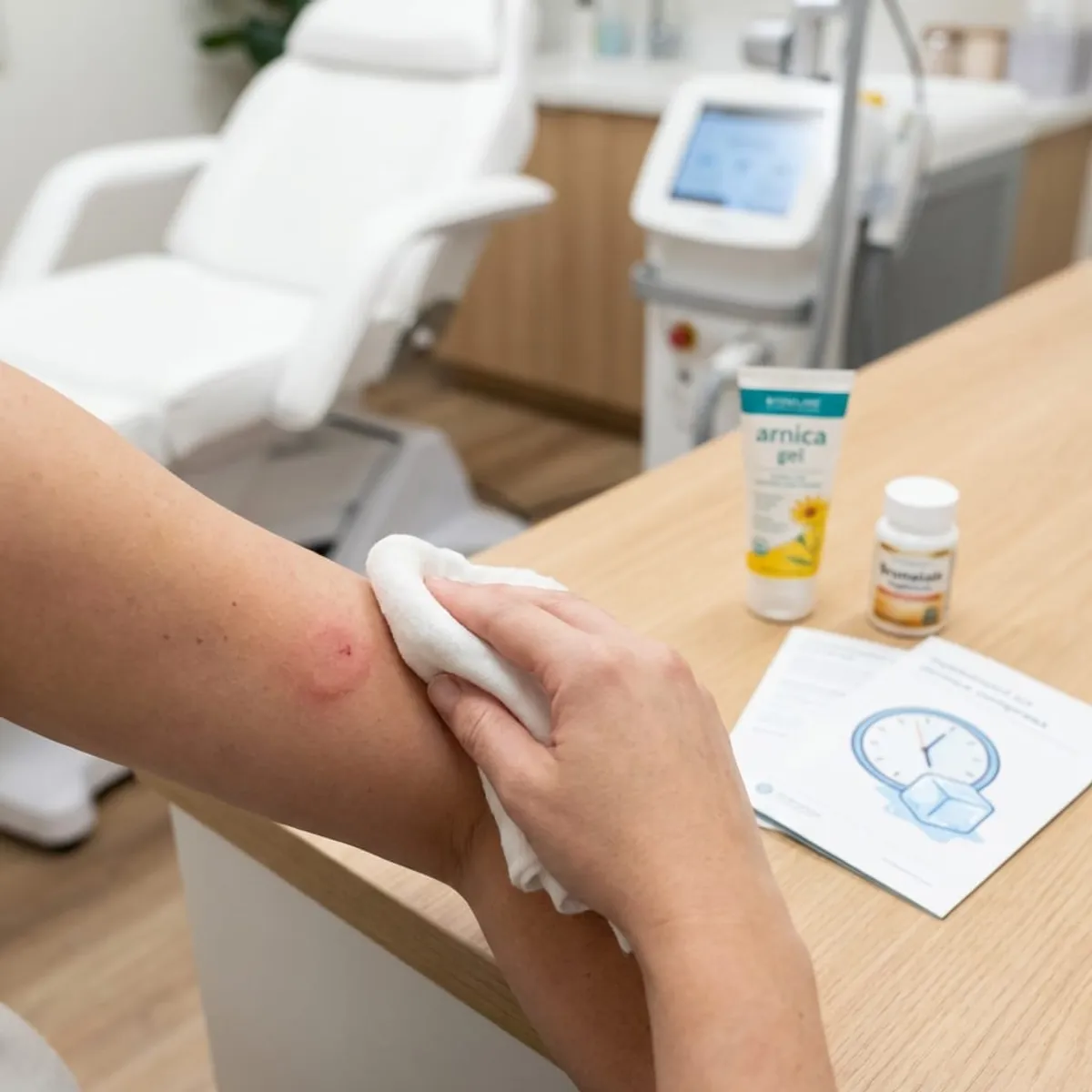
Apply ice immediately after your appointment. We often send you home with specific guidance, but the principle is straightforward: 15 minutes of ice, then 15 minutes without, repeated for the first 4-6 hours. Ice constricts blood vessels and slows down the inflammatory cascade. Wrap ice in a clean cloth, never apply it directly to skin. If you’re in the Southlake, Grapevine, or Keller area and didn’t receive ice packs from us, a bag of frozen peas works perfectly because it molds to your face.
Elevate your head while resting. Sleep with an extra pillow that night, and keep your head elevated even when sitting. Gravity pulls fluid downward, so when your head is level with your heart or lower, fluid pools in your face and neck. Elevation helps lymph drain naturally back toward your body’s center, reducing swelling noticeably by morning.
Rest genuinely means rest. We ask you to avoid strenuous activity, exercise, and unnecessary movement for at least 24 hours after injectables or laser work. Your blood pressure rises with activity, and higher blood pressure increases bleeding and swelling. This doesn’t mean you’re confined to bed, but it does mean no gym sessions, vigorous cleaning, or activities that get your heart pumping.
Hydration matters more than you’d expect. Paradoxically, drinking plenty of water actually helps your body shed excess fluid faster. Dehydration triggers your body to hold onto water, making swelling worse. Aim for your normal water intake plus an extra 16-20 ounces over the first 24 hours.
Your takeaway: The first day is non-negotiable for results. Treat it as seriously as the treatment itself, and you’ll see noticeably less bruising and swelling by day two.
Activity Restrictions That Protect Your Results
Beyond the first 24 hours, we recommend modified activity for at least 3-7 days, depending on the treatment intensity. This isn’t about being overly cautious, it’s about protecting the delicate healing environment you’ve created.
Avoid sweating for at least one week. Sweat increases blood flow to your face, raises skin temperature, and can introduce bacteria into micro-punctures from needles or lasers. If you live in Trophy Club, Westlake, Colleyville, or other parts of the DFW area with warm weather, this might feel limiting, but brief, light walks at a comfortable pace are fine. Hot yoga, CrossFit, running, or any activity that leaves you visibly perspiring should wait.
Skip saunas, hot tubs, and steam rooms entirely during the first week. The combination of heat, moisture, and often crowded environments creates the perfect storm for swelling and potential infection. Hot showers are okay, but avoid letting very hot water run directly on your treated face.
Limit bending over and inversion activities like headstands or forward folds. These positions increase blood flow to your head and face, making swelling worse. If you have a job that requires bending frequently, take it easier than usual during the first few days.
Be gentle with your face and neck. Don’t sleep face-down on the first night. Avoid sleeping on the side you were treated if possible. Don’t apply makeup immediately over injection sites, even if you’re tempted to cover bruising. Let skin breathe and heal unobstructed.
Your takeaway: Think of the first week as a controlled healing window. The minor inconvenience now prevents prolonged bruising and maximizes your final results.
Gentle Massage and Movement Guidelines
There’s an important difference between resting and complete immobilization. Strategic, gentle movement actually supports healing by encouraging lymph drainage and reducing fluid pooling.
On day two and beyond, light facial massage can make a real difference. Using your fingertips with barely any pressure, gently massage in upward strokes from your jawline toward your ears, and from your cheeks toward your temples. This follows your natural lymphatic drainage patterns and helps fluid move out of your face. Spend just 2-3 minutes, once or twice daily. Avoid the injection sites themselves for the first 48 hours, then you can gently work around them.
Manual lymphatic drainage, if you have access to someone trained in it, is genuinely beneficial. We sometimes recommend this for patients experiencing more pronounced swelling. It’s different from deep tissue massage, it’s extremely gentle, and it works with your body’s natural drainage system rather than against it.
Neck and shoulder movement matters too. Stiff neck muscles can impede lymph drainage from your face. On day two, gentle neck rolls and light stretching can actually reduce facial swelling by improving drainage pathways. Nothing aggressive, just easy, comfortable movements a few times per day.
Your takeaway: Gentle, deliberate movement accelerates healing far more than complete stillness. The key word is gentle, you’re supporting your body’s natural cleanup process, not forcing it.
What to Avoid During Recovery
Certain substances and behaviors actively work against your healing efforts. Being aware of them helps you make informed choices about your recovery timeline.
Avoid alcohol for at least 48 hours, preferably longer. Alcohol is a vasodilator, meaning it widens blood vessels and increases blood flow. It also dehydrates you, which worsens swelling. If you have a social event planned, schedule your treatment for after it, not before.
Don’t use products containing retinoids, vitamin C serums, acids, or other active ingredients for at least 3-5 days. Your skin barrier is temporarily compromised, and these ingredients can cause irritation or sensitivity. Stick to gentle cleansing and moisturizing only. We can recommend specific products that work well during recovery.
NSAIDs increase bruising risk
Avoid NSAIDs like ibuprofen or naproxen after your appointment, though acetaminophen is fine if you need pain relief. NSAIDs thin the blood slightly, which can increase bruising. Many people don’t realize this, and it’s one of the biggest contributing factors to visible bruising we see.
Skip sun exposure and tanning beds completely during the first week, and use SPF 30 or higher for at least two weeks after laser aftercare tips or other resurfacing treatments. UV exposure can trigger inflammation, worsen swelling, and affect your healing results.
Don’t pick, scratch, or aggressively touch treated areas, even if you feel temporary bumps or texture changes. Let your skin heal undisturbed.
Your takeaway: Avoidance is active recovery. These restrictions aren’t punishment, they’re the conditions under which your body heals optimally.
Nutrition and Hydration for Faster Healing
What you eat and drink directly influences how quickly your body repairs itself. We often overlook nutrition as part of the recovery protocol, but it’s foundational.
Protein accelerates healing. Your body uses amino acids to rebuild collagen and repair tissue. Aim for an extra serving of lean protein in the days following treatment: chicken, fish, Greek yogurt, eggs, or plant-based options if that’s your preference. This doesn’t require special supplementation, just thoughtful eating.
Antioxidant-rich foods support your immune response without triggering excess inflammation. Berries, leafy greens, sweet potatoes, and citrus fruits all contain compounds that help your body manage inflammation efficiently. Eat colorful vegetables and fruits for several days after treatment.
Reduce sodium temporarily. Salt causes your body to retain water, which amplifies swelling. If your meal is particularly salty, drink more water to offset it, but try to keep sodium moderate for the first 3-4 days.
Stay consistently hydrated, not just in the first 24 hours. Drink enough water that your urine stays pale throughout your recovery. Proper hydration supports lymphatic drainage, reduces inflammation markers, and helps your body recover faster overall. This is one of the simplest and most impactful things you can control.
Limit inflammatory foods if possible. Excess sugar, highly processed foods, and excessive caffeine can amplify swelling in some people. A few days of cleaner eating won’t derail your life, and many people report noticeably less swelling when they’re intentional about nutrition during recovery.
Your takeaway: Nutrition is recovery infrastructure. Small dietary adjustments compound into meaningfully faster healing and less visible bruising.
Timeline: When Bruising and Swelling Resolve
Understanding the realistic timeline helps you set expectations and plan accordingly. Most people ask us this question, so let’s be specific.
Swelling peaks around 24-48 hours after treatment, then gradually improves. By day three or four, most swelling is noticeably better. Complete resolution typically takes 5-10 days, though subtle swelling can linger a bit longer in people with naturally sensitive skin or those who had more aggressive treatment. Results may vary.
Bruising follows a different curve. Light bruising, if it appears at all, shows up within 24-48 hours. It then darkens slightly over 2-3 days before gradually lightening. Most bruising is unnoticeable by day 7-10. Deeper bruising in delicate areas like under the eyes can take 2-3 weeks to fully fade. This is completely normal and doesn’t mean anything went wrong. Results may vary.
Injectable bruising patterns depend partly on needle placement. Injectable aftercare for lip filler tends to show more visible bruising than cheek or jawline work because the lips have incredibly thin skin and abundant blood vessels. Under-eye filler can show bruising for longer because the skin there is the thinnest on your face. We discuss these specifics during your consultation.
Laser treatments usually produce less bruising than injectables but may cause more initial swelling and mild crusting. The swelling resolves steadily over 5-7 days. Any surface crusting shouldn’t be picked away, it naturally sheds as new skin forms underneath.
| Feature | Injectables | Laser Treatments |
|---|---|---|
| Bruising | More visible, especially at the lips and under the eyes where skin is thinnest | Typically less bruising overall |
| Swelling | Moderate, varies by injection site | More initial swelling, with mild surface crusting |
| Recovery timeline | Bruising fades in 7-10 days; delicate areas like under the eyes can take 2-3 weeks | Swelling resolves over 5-7 days; redness fades over 1-2 weeks |
Red or pink marks after laser treatment are normal and typically fade to your normal skin tone over 1-2 weeks. If redness lasts longer, it’s not a problem, just your skin completing its remodel. Results may vary.
Your takeaway: Most people feel comfortable returning to normal life by day 5-7, and nearly everything is resolved by day 14. Plan your treatments with this window in mind. Results may vary.
Our Personalized Aftercare Support at Medrein Health
We don’t consider our relationship with you finished when your appointment ends. Recovery is part of treatment, and we’re here to support you through it.
During your consultation and before your appointment, we review your medical history, current medications, and any factors that might influence bruising or swelling. If you take blood thinners or have bleeding disorders, we adjust our approach. If you’re prone to significant bruising, we discuss strategies to minimize it. This personalized planning matters.
After your treatment, we provide detailed written aftercare instructions specific to what you received. Whether it’s Botox, dermal filler, our Sciton BBL Heroic laser, or another service, your instructions are customized. We answer questions about what you’re experiencing and when to be concerned versus when it’s normal.
We’re always available if unexpected swelling or bruising develops or lasts longer than expected. Most of the time, everything progresses normally and beautifully. Occasionally, someone experiences more pronounced swelling or bruising than typical. When that happens, we have strategies to help. A quick call to our Southlake office puts your mind at ease and gives us the chance to support you.
We also remind you that final results take time. Bruising and swelling obscure the true outcome of your treatment. Botox takes 3-7 days to fully settle and 2 weeks to reach maximum effect. Dermal filler results look best after swelling completely resolves. Laser treatments continue improving as collagen rebuilds over weeks and months. Results may vary. We’re patient with the process, and we encourage you to be too.
Your next step: If you’re considering aesthetic treatment in the Southlake, DFW, or surrounding areas including Grapevine, Keller, Colleyville, Westlake, or Trophy Club, we’d love to discuss your goals and answer any questions about recovery. Schedule a consultation with us at medreinhealth.com, and let’s create a treatment plan that fits your life and your expectations. We’re here to help you look and feel your best.
Call us today to schedule your consultation with Dr. Mikki!
Frequently asked questions
What’s the best way to minimize bruising right after my injectable or laser treatment?
We recommend starting with ice immediately after your appointment, applying it in 15-minute intervals during the first 24 hours to constrict blood vessels and reduce bleeding under the skin. Elevation is equally important, so keep your head higher than your heart when resting, and avoid strenuous activity, heat exposure, and blood-thinning substances like aspirin or alcohol for at least the first week. These simple steps make a significant difference in how quickly bruising fades.
How long should I expect swelling to last, and when can I resume normal activities?
Most of our patients see significant swelling reduction within 48 to 72 hours, though mild puffiness can persist for 7 to 10 days depending on the treatment intensity and your individual healing response. We typically clear clients to resume light exercise after 24 hours and gradually return to normal workouts by day 3 to 5, but we always provide personalized guidance based on your specific treatment during your aftercare consultation. Results may vary.
What should I eat and drink to help my body heal faster after treatment?
We encourage our patients to prioritize protein, vitamin C, zinc, and omega-3 fatty acids, as these nutrients support collagen production and reduce inflammation naturally. Staying well-hydrated is equally critical, so drink plenty of water throughout your recovery period, and avoid alcohol and excessive sodium, which can worsen swelling and slow your healing timeline.

About the author
Founder & Medical Director
Board-certified physician and founder of Medrein Health & Aesthetics in Southlake, and the physician who personally consults with you and performs most treatments herself.
Read full bio →Related Articles
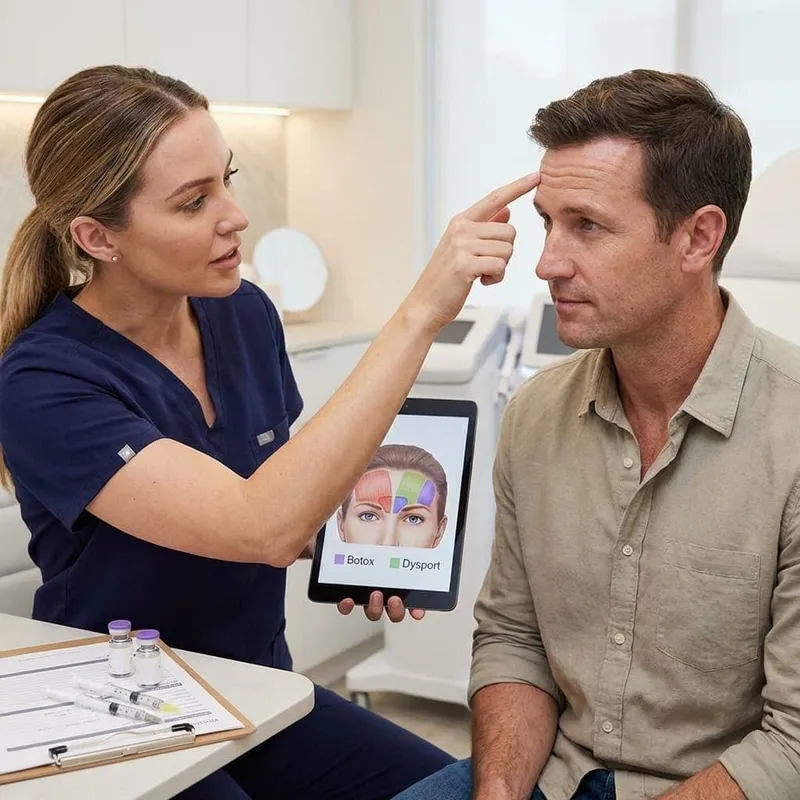
Botox vs Dysport for Forehead Lines: Onset, Duration, and Diffusion Compared
Botox vs Dysport compared side by side — onset, duration, and diffusion explained. Find the right neurotoxin for your forehead lines at Medrein Health.
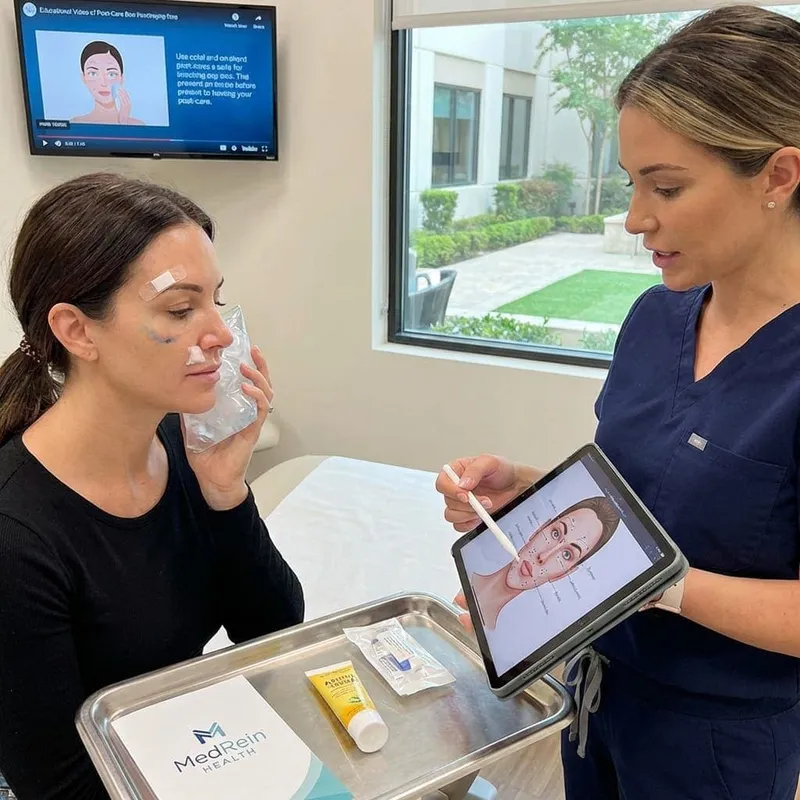
Best Post-Injection Bruise Management Strategies for Faster Recovery
How to manage bruising after injections for faster recovery. Dr. Mikki at Medrein Health in Southlake shares clinically proven strategies for quick healing.
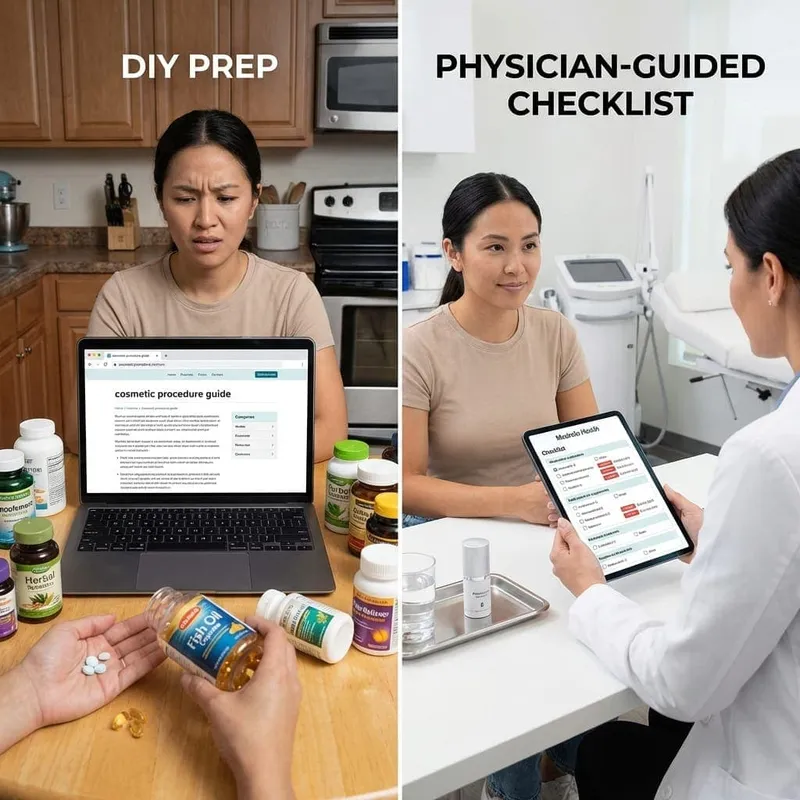
Pre-Procedure Medication Checklist vs DIY Preparation: What Actually Matters Before Your Aesthetic Treatment
Pre-procedure medication checklist before Botox, fillers, or laser treatments at Medrein Health. What to stop taking and when — directly from Dr. Mikki.