Medical Weight Loss with GLP-1: Our Physician-Supervised Coaching Approach

On this page
Why Traditional Dieting Fails and Why You Need Medical Support
If you’ve tried countless diets, counted calories until your eyes crossed, and watched the scale stubbornly refuse to budge, you’re not alone. Here at Medrein Health & Aesthetics in Southlake, we work with patients from across the DFW area who’ve experienced the same frustration. Over the years, I’ve realized that weight loss resistance isn’t a personal failure or a lack of willpower. It’s often a metabolic reality that deserves medical support, not judgment.
The landscape of weight management has shifted dramatically. We now understand that sustainable weight loss requires more than motivation and a nutrition plan. It requires personalized medical supervision, hormonal optimization, and ongoing coaching from professionals who actually understand the science. That’s why we built our medical weight loss program differently.
Most diets fail because they ignore your body’s inherent defense mechanisms. When you restrict calories aggressively, your body responds by increasing hunger hormones and decreasing satiety signals. Your metabolism adapts. You feel hungrier, more irritable, and less energized. After a few weeks or months, willpower alone can’t compete with your biology.
The statistics are sobering. About 95% of people who lose weight through diet alone regain it within one to five years. This isn’t a failure of character. It’s physiology. Your body has hormonal systems designed to preserve weight and fight change.
Medical support transforms this equation. When we work with you, we’re not asking you to white-knuckle your way through hunger. Instead, we use medications proven to address the root cause: dysregulated appetite and metabolism hormones. We combine pharmaceutical support with behavioral coaching, nutritional guidance, and regular monitoring.
Starting with a thorough consultation and metabolic assessment helps us understand your unique situation. Are you dealing with insulin resistance? Thyroid dysfunction? Hormonal imbalance? These factors matter enormously, and traditional diets never account for them. That’s why we require medical oversight from the start.
What to do next: Schedule a consultation with our team. Come prepared to discuss your weight loss history, current health concerns, and goals. We’ll run baseline labs to understand your metabolic picture.
Understanding GLP-1 Medications: How They Work and Why They’re Different
GLP-1 stands for glucagon-like peptide-1, a hormone your intestines naturally produce when you eat. Its job is to help regulate blood sugar and appetite. GLP-1 medications, of which semaglutide and tirzepatide are the most well-known, essentially amplify this natural signal.
Here’s what makes them different from older weight loss approaches: they work on your brain’s satiety centers. They slow gastric emptying, so food moves through your stomach more slowly and you feel fuller longer. They reduce cravings and that constant mental chatter about food. Patients consistently tell us they forget to eat, or they lose interest in foods they previously craved.
Tirzepatide takes this further. It’s a GIP/GLP-1 receptor agonist, meaning it activates two appetite-regulating pathways instead of one. Many of our patients see more substantial results with tirzepatide compared to semaglutide alone, though individual responses vary.
| Feature | Semaglutide | Tirzepatide |
|---|---|---|
| Receptor pathway | Activates the GLP-1 pathway | GIP/GLP-1 receptor agonist, activating two appetite-regulating pathways |
| Typical results tendency | Amplifies the body's natural GLP-1 signal | Many patients see more substantial results, though individual responses vary |
We offer both GLP-1 treatment and GLP-1 and GIP combination therapy because different bodies respond differently.
The medications are administered as weekly injections at home: simple and quick, with most patients reporting only mild discomfort. You’re taking an active role in your care each week. Some patients find this frequency helps them stay engaged and accountable.
Side effects typically include mild nausea during the first week or two as your body adjusts. This subsides. Staying hydrated and eating small, protein-rich meals helps tremendously. Rarely, some patients experience constipation or decreased appetite that feels too strong; these are manageable with dose adjustments or added support.
These medications also offer metabolic benefits beyond weight loss. They improve insulin sensitivity, which helps prevent or manage type 2 diabetes. They may offer cardiovascular protection. For many patients, the benefits extend far beyond the number on the scale.
Our Comprehensive Approach: More Than Just a Prescription
Handing you a prescription and wishing you luck isn’t medical weight loss. It’s lazy medicine. We do this differently.
Our program integrates four pillars: medication management, behavioral coaching, nutritional support, and regular lab monitoring. No single element stands alone. The medication reduces your hunger signals and cravings, but behavioral coaching helps you build new eating patterns and address emotional eating triggers. Nutritional guidance ensures you’re eating enough protein and key micronutrients during weight loss. Monitoring keeps us accountable and helps us catch and address any concerns early.
Screening for Contraindications
We also screen for contraindications and comorbidities. Do you have a personal or family history of thyroid cancer? Diabetic retinopathy? Pancreatitis? These factors influence whether GLP-1 medications are appropriate for you, or whether we need additional precautions. This is why we always require a physician consultation before starting any medication.
Many patients who come to us in the Southlake, Grapevine, and surrounding areas also benefit from addressing related metabolic issues simultaneously. If you have low thyroid function, hormone imbalance, or nutritional deficiencies, treating those conditions directly improves your weight loss outcomes and overall vitality.
We’ve also found that patients who combine weight loss medication with other aesthetic or wellness treatments often reach their goals faster and feel more motivated. Seeing visible results in skin quality, energy levels, or hormonal balance reinforces the importance of the work you’re doing.
The Role of Personalized Coaching in Your Weight Loss Journey
The medication suppresses appetite, but behavioral change sustains results. That’s where our coaching becomes invaluable.
Our coaching team meets with you regularly to discuss your eating patterns, cravings, and challenges. Why do you reach for food when stressed? Are you actually hungry, or are you bored or seeking comfort? These conversations might seem simple, but they uncover the emotional and behavioral roots of your relationship with food.
Coaching also addresses practical barriers. How do you navigate social eating? What do you order at restaurants in Keller or Colleyville when everyone’s gathering for dinner? How do you handle cravings when old habits resurface? We work through real scenarios, not theoretical advice.
We also establish realistic expectations. Most patients lose 15-22% of their body weight over six to twelve months on our program. Results may vary. Some lose more, some less. Genetics, age, starting weight, adherence, and sleep quality all influence outcomes. We celebrate progress regardless of the exact number because what matters is how you feel: more energy, better sleep, improved mood, clothes fitting differently.
Many patients find accountability invaluable. Knowing you have a check-in appointment encourages consistency, especially during the inevitable plateaus that happen in weight loss journeys.
Monthly Monitoring and Dosage Optimization for Your Success
GLP-1 medications require medical supervision, and we take that responsibility seriously.
At your monthly visits, we assess how you’re tolerating the medication, track your weight and measurements, and review how you’re feeling overall. Are you experiencing side effects? Is your appetite suppressed appropriately, or do you feel like you’re struggling? Are energy levels stable?
We also draw labs at regular intervals to monitor blood work. Kidney function, liver health, thyroid markers, and metabolic parameters all matter. Early intervention prevents complications and keeps you safe.
Dosing is tailored to each patient rather than following a fixed formula. We start conservatively, usually at the lowest therapeutic dose, then gradually increase over weeks as your body adjusts. This “start low, go slow” approach minimizes side effects and lets us find your optimal dose. Some patients thrive on 0.5mg weekly; others reach full benefit at 2.0mg or 2.4mg. We titrate based on your individual response.
If you’re taking other medications, we review interactions. If you have upcoming dental work or surgery, we discuss whether to pause or continue. This ongoing dialogue keeps you safe and informed.
Consistency matters tremendously. Missing doses or stopping abruptly usually leads to rapid weight regain as hunger hormones rebound. We discuss long-term expectations upfront so you understand that weight loss medication is typically long-term, not something you stop after three months.
Combining Weight Loss with Peptide Therapy and Hormone Optimization
Weight loss acceleration happens when we address hormonal imbalances simultaneously. Many of our patients benefit from combining GLP-1 medications with peptide therapy or hormone replacement therapy.
For example, if your metabolic testing reveals low thyroid function or growth hormone insufficiency, addressing those conditions directly boosts your metabolism and recovery. Peptide therapy can enhance metabolic function, improve body composition, and accelerate fat loss while preserving muscle mass.
Similarly, hormone imbalance often drives weight gain and metabolic dysfunction. Women experiencing perimenopause or menopause frequently find that hormone optimization dramatically improves their response to weight loss medication. Men with low testosterone often see better results once testosterone is appropriately restored.
We’ve also noticed that patients who add skin treatments or other wellness services during their weight loss journey stay more engaged and motivated. When you see improvements in skin quality through laser resurfacing or achieve better hormonal balance, you reinforce the overall commitment to your health.
This integrated approach requires coordination between our providers, but that’s precisely how modern medicine should work. You’re not fragmented between different specialists; you’re treated as a whole person with interconnected body systems.
Real Results: What Our Patients Achieve with Our Program
Numbers matter less than transformation, but they’re worth mentioning. Our patients typically lose 30-50 pounds over a year on our comprehensive program. Results may vary. More importantly, they report sustained results. Many maintain their loss because they’ve built new habits and addressed underlying metabolic issues.
Beyond weight, patients report remarkable changes. Energy improves dramatically. Sleep quality deepens. Brain fog lifts. Many tell us their mood stabilizes and anxiety decreases. Clothes fit differently. Relationships improve because they feel more confident and present. Some reverse prediabetic conditions. Others come off blood pressure or cholesterol medications.
A common story: someone from Trophy Club or Westlake arrives frustrated after years of yo-yo dieting. Within three months on our program, they’re shocked by how much easier eating becomes. They’re not fighting hunger anymore. By month six, they’re seeing themselves in photos and actually liking what they see. By month twelve, they’re not a different person. They’re the healthier version of themselves they always wanted to be.
What strikes us most is the psychological shift. Patients stop seeing weight loss as a constant battle against their own body. Instead, they experience it as collaboration: medication helps with the neurochemistry, coaching helps with the behavior, and they show up consistently. That reframing is powerful.
Getting Started with Medical Weight Loss at Medrein Health
Starting our program is straightforward. Contact us to schedule your initial consultation. Come with your health history, current medications, and honest assessment of your goals and challenges.
During your first visit, we’ll review your metabolic history, discuss your previous weight loss attempts, and run comprehensive labs. We’ll examine whether GLP-1 medication is appropriate for you, or whether we need additional workup first. We’ll also discuss whether complementary treatments like peptide therapy or hormone optimization would accelerate your results.
If you’re a good candidate, we’ll schedule your first injection, walk you through technique, and establish your baseline. We’ll also connect you with our coaching team and nutritionist.
From there, you’ll visit us monthly for monitoring, labs as indicated, dose adjustments, and coaching. We’re available for questions between visits and adjust your plan based on how you’re responding.
We serve patients from across the DFW area, including Southlake, Grapevine, Colleyville, Keller, and Westlake. Many prefer our approach because we treat you as a person, not a patient number. We’re honest about expectations, transparent about costs, and genuinely invested in your success.
Weight loss with medical support is transformative, but only if you choose a team that combines evidence-based medicine with personalized care. That’s what we’ve built here at Medrein Health & Aesthetics.
Ready to start? Visit our website or call us today to schedule your medical weight loss consultation. We’ll review your unique situation and create a plan designed specifically for you.
Call us today to schedule your consultation with Dr. Mikki!
Frequently asked questions
What medications do we offer for medical weight loss, and how do they differ?
We prescribe three GLP-1 medications: Semaglutide, Tirzepatide, and Retatrutide. While all three help regulate appetite and blood sugar, Tirzepatide and Retatrutide work on dual and triple hormone pathways respectively, often producing more significant weight loss results than Semaglutide alone. During your consultation, we’ll evaluate your health history and goals to determine which medication aligns best with your body’s needs.
How often will we monitor my progress, and what does that look like?
We schedule monthly check-ins to assess your response to the medication, manage any side effects, and adjust your dosage as needed. During these visits, we review your weight, energy levels, appetite changes, and overall wellbeing while our team provides personalized coaching on nutrition and lifestyle habits. This hands-on approach ensures we’re optimizing your results every step of the way rather than simply writing a prescription and hoping for the best.
Can we combine weight loss medications with other treatments at your practice?
Absolutely. We frequently integrate our medical weight loss program with peptide therapy, hormone replacement therapy, or laser skin treatments to address multiple wellness goals simultaneously. This holistic approach means as your body transforms through weight loss, we’re also supporting your skin’s elasticity, optimizing your hormonal balance, and enhancing your overall vitality for comprehensive results.

About the author
Founder & Medical Director
Board-certified physician and founder of Medrein Health & Aesthetics in Southlake, and the physician who personally consults with you and performs most treatments herself.
Read full bio →Related Articles

Integrated Wellness Plans: Combining Peptides, HRT, and Weight Loss for Total Vitality
Physician-designed wellness plans combining peptides, HRT, and medical weight loss in Southlake, TX. Medrein Health integrates all three for total vitality.

Everything You Need to Know About Glp-1 Drugs
GLP-1 agonists regulate blood sugar and support weight loss for type 2 diabetes and obesity. See how they work, benefits, side effects, and who qualifies.
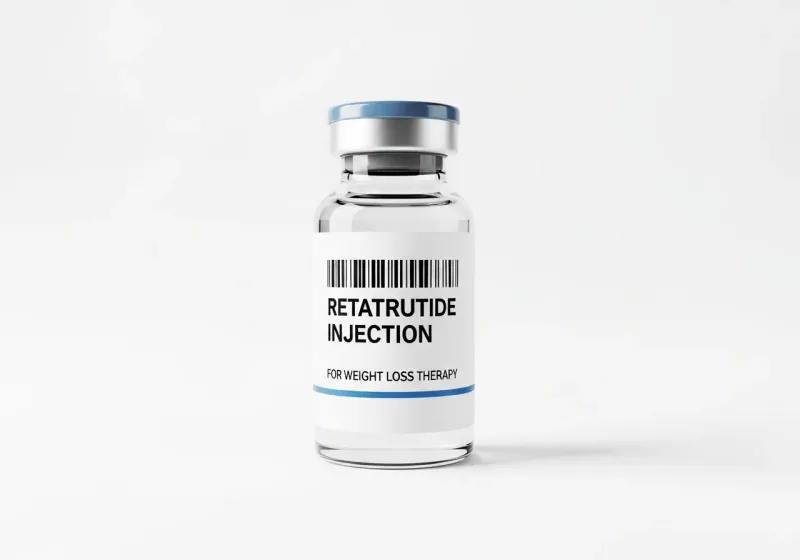
Retatrutide Peptide: Weight Loss Therapy in Southlake, TX
Retatrutide is an investigational triple-agonist peptide in clinical trials for weight loss. Compare it to semaglutide and tirzepatide in Southlake, TX.