Endolift vs Ultherapy for Jowls and Neck: Which Fits You?
Medically reviewed by:

Founder & Medical Director
Laser fiber or ultrasound for your jawline?
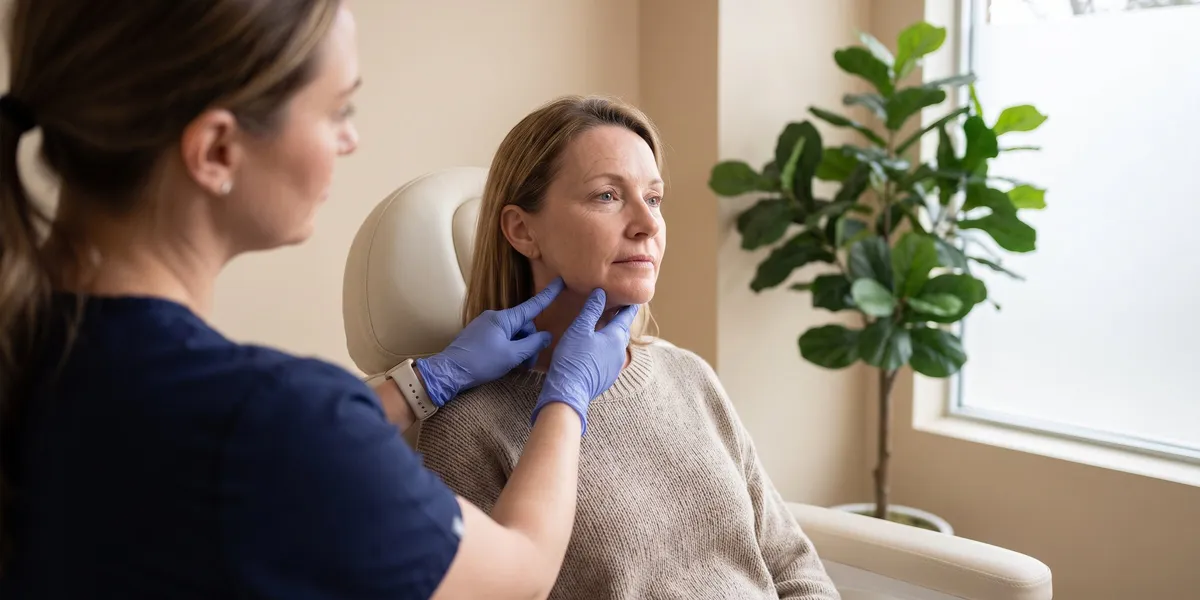
Dr. Mikki examines your skin and any fat under the chin, then tells you plainly whether EndoTight fits.
Book a Skin Tightening ConsultationEndolift and Ultherapy get compared constantly, usually as if they were two brands of the same thing. They are different kinds of treatment. One sends laser light through a hair-fine fiber placed just under the skin. The other focuses ultrasound energy from the surface and never breaks the skin. That difference decides who each one suits, how the recovery goes and whether a small pocket of fat can be treated at the same time.
We perform EndoTight, the newer version of the Endolift technique, and we do not offer Ultherapy. So we have no reason to oversell either one. The facts on Ultherapy here come from FDA records and published studies, and the facts on EndoTight come from how we perform it.
What is the difference between Endolift and Ultherapy?
Endolift is a minimally invasive laser treatment delivered under the skin, and Ultherapy is a non-invasive ultrasound treatment delivered from the skin surface. Both aim to tighten lax skin by heating tissue so the body builds new collagen. They reach that tissue by different routes, and only the laser also reduces fat.
How Endolift and EndoTight work
Endolift uses a 1470 nm laser. An ultra-thin optical fiber is placed just beneath the skin, and laser energy passes into the deeper dermis and the thin fat layer directly under it. The heat triggers new collagen, which firms the skin over the following months. The same energy also breaks down small, localized fat deposits, such as a double chin or fullness along the jaw.
Our EndoTight treatment works the same way at a different wavelength. It uses 1064 nm on a newer platform with finer fibers and a gentler thermal profile. In practice that means more controlled energy into the dermis, less discomfort during the session and a shorter recovery. Our overview of the Endolift procedure covers the original technique and its treatment areas in more detail.
A session starts with lidocaine injected into the treatment area. There is no general anesthesia and no operating room. Most sessions run 60 to 90 minutes depending on the areas treated, and you go home the same day.
How Ultherapy works
Ultherapy is a brand of microfocused ultrasound with visualization, usually shortened to MFU-V. A handpiece rests on the skin and delivers focused pulses of ultrasound to set depths beneath it. The built-in imaging lets the practitioner see the tissue layers on a screen before each line of pulses is placed. No needle or fiber enters the skin.
The FDA first authorized the device in 2009 through its De Novo pathway to lift the eyebrow. Later clearances added lifting of lax tissue under the chin and on the neck, and improving lines on the upper chest. An expert safety consensus published in the Journal of Cosmetic Dermatology describes those same cleared uses. It also notes that the visualization feature is what separates MFU-V from many other focused ultrasound devices.
Transducers typically reach about 1.5 mm, 3 mm and 4.5 mm below the surface, according to a systematic review of microfocused ultrasound for facial tightening. The deepest setting targets the SMAS, the fibrous layer a surgeon repositions during a facelift. That depth is the main argument people make for Ultherapy. It does not remove or reduce fat.
Endolift vs Ultherapy side by side
Ten points separate the two treatments, from the kind of energy used to the regulatory status of each device. The EndoTight details reflect how the treatment is performed at Medrein, and the Ultherapy details draw on FDA records and published studies.
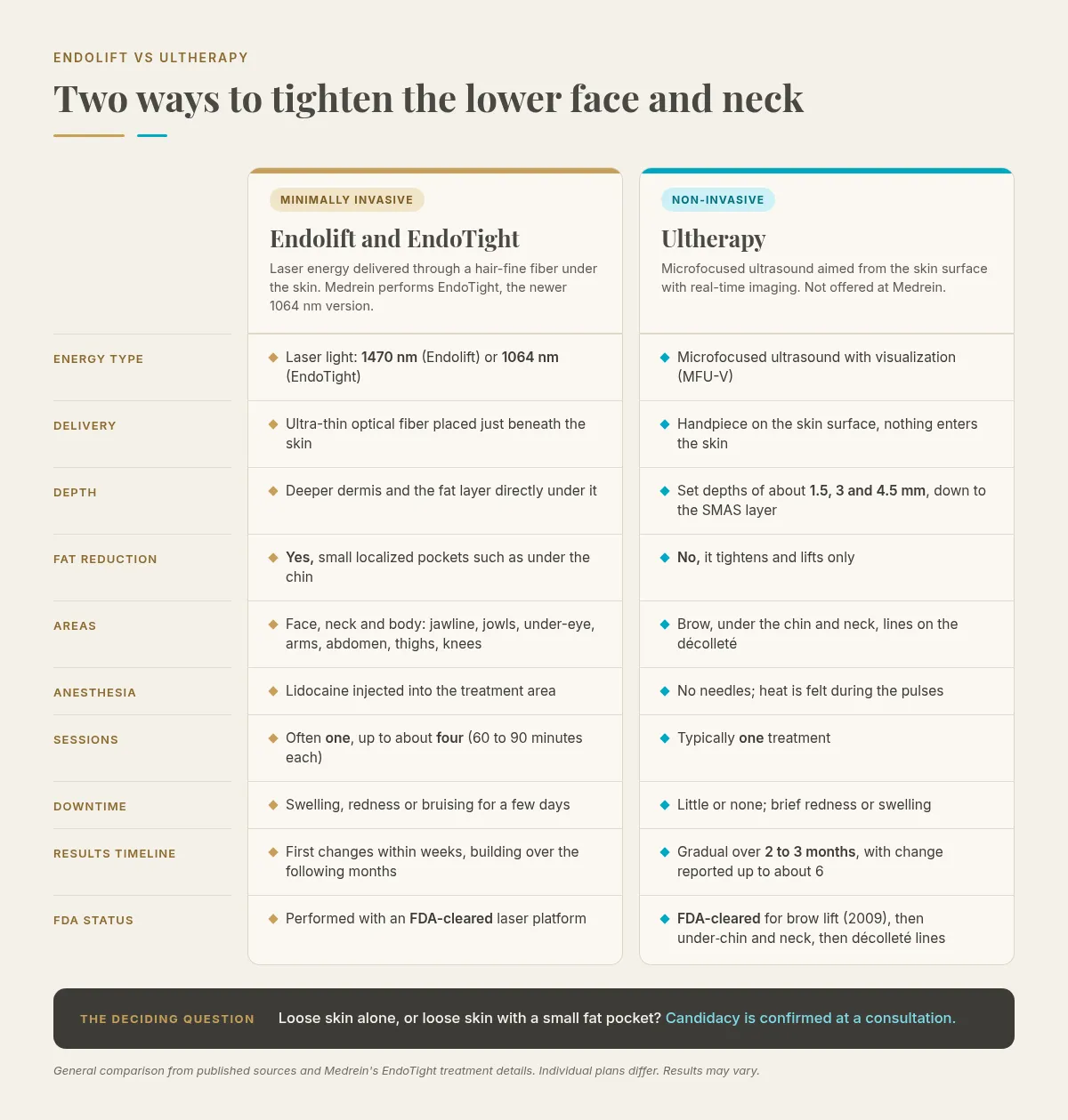
The point that decides most cases is fat reduction. If your concern is loose skin alone, both treatments are aimed at the same problem. If a small pocket of fat is part of the picture, only the laser addresses it directly.
Is Endolift or Ultherapy better for jowls?
For jowls, the better choice depends on what the jowl is made of. Some jowls are mostly loose skin that has slipped below the jawline. Others carry a small pad of fat that sits heavier as the skin loosens. Many are a mix of both.
When fat is part of the jowl, EndoTight has the advantage. The fiber reduces that small pocket and tightens the skin over it in the same pass, which can sharpen the jaw border. Microfocused ultrasound can lift and firm the tissue, but the fat stays where it is. Tightening skin over unchanged fullness tends to give a softer result along the jaw.
When the jowl is mild and made mostly of skin, the gap narrows. A person who wants no injections and accepts a modest, gradual change may reasonably prefer ultrasound. Dr. Mikki reads the jowl at your consultation by feeling how much of it is skin and how much is fat. That reading drives the recommendation. Results may vary.
Is Endolift or Ultherapy better for the neck and chin?
Under the chin, the same question applies. Fullness in the submental area often comes from a small fat pocket, and that is where EndoTight is built to help. It reduces the pocket and firms the skin above it, and at Medrein it is used as a non-surgical neck lift for mild to moderate laxity.
Ultherapy holds an FDA clearance for lifting lax tissue under the chin and on the neck. For someone with thin, slightly crepey neck skin and no real fullness, it is a legitimate non-invasive option. For someone whose main complaint is a soft double chin, it is aimed at the wrong layer.
Neck bands and heavy, hanging neck skin are a different matter. Neither treatment is designed for advanced laxity, and a surgical neck lift remains the more reliable answer there.
Does Ultherapy reduce fat like Endolift does?
No, Ultherapy does not reduce fat. Microfocused ultrasound heats tissue at set depths to stimulate collagen and lift, and fat volume is not its target. EndoTight and Endolift heat the fat layer directly, so small localized deposits shrink as the skin tightens.
That is also why the laser reaches parts of the body the ultrasound is not cleared for. EndoTight treats the inner arms, abdomen, inner thighs, knees and love handles, along with the jawline, jowls, under the chin, the neck and the under-eye area. It is sized for small pockets of fat, so significant excess fat calls for a different plan.
Endolift and Ultherapy downtime compared
The two treatments ask different things of you. Ultherapy asks you to tolerate the session, and EndoTight asks for a few days of recovery.
With microfocused ultrasound, there is nothing to heal on the surface. In its skin-tightening overview, the American Academy of Dermatology (AAD) describes non-invasive treatments as having little or no downtime, usually some redness and swelling, and some discomfort during the procedure. Many people feel the heat of each pulse.
With EndoTight, lidocaine numbs the area before the fiber is placed, so the laser itself is usually well tolerated. Afterward, expect some combination of the following:
- Swelling and redness, usually settling within a few days.
- Bruising, which can occur and typically fades within a week.
- Mild tenderness in the treated area for a few days.
- Temporary numbness, which generally resolves over a few weeks.
Most people are back to normal activities within a day. Rare risks include infection, burns or uneven tightening. If you have an event coming up, plan EndoTight far enough ahead for any bruising to clear.
When results start to show
Both treatments depend on new collagen, and collagen takes time. Neither one gives a finished result on the day.
For microfocused ultrasound, the AAD notes that most people see modest lifting and tightening within two to six months after one treatment. In the systematic review, studies typically measured outcomes at three, six and twelve months, with measured brow lifts in the range of about half a millimeter to under two millimeters. The changes are real but subtle, which suits people who want nobody to notice they had anything done.
With EndoTight, you can expect to notice initial changes within a few weeks, with improvement continuing over the following months. Your results can hold for several months to a few years depending on your skin type and lifestyle. Your skin keeps aging either way, so you may want a touch-up later. Results may vary with both treatments, and Dr. Mikki gives you a realistic timeline for your own skin at consultation.
Where EndoTight sits on the laxity ladder
At Medrein, laxity treatment follows a ladder based on how much looseness you have and where it sits. The lower rungs cover the lighter laxity that people often consider Ultherapy for.
The first rung is PDO Threads, which give an immediate mechanical lift on the face, neck or body and dissolve over time. They suit someone who wants visible support right away and has mild laxity.
The middle rung is for moderate laxity treated from the surface. RF Microneedling on the Lutronic Genius delivers radiofrequency energy through fine needles to build collagen and refine texture. Fotona 4D, part of our Fotona laser treatments, is a four-step laser treatment, one pass inside the mouth and three on the skin, that stimulates collagen to firm the lower face. These are the options closest in spirit to Ultherapy, since they work across the skin with no fiber placed beneath it.
EndoTight is the top rung before surgery. It is the choice when laxity is greater, when the skin needs rebuilding from below, or when a small fat pocket needs treating alongside the skin.
Medrein does not offer Ultherapy. If your consultation shows that a non-invasive surface treatment suits you better than EndoTight, the recommendation will come from the middle rung of the ladder, and Dr. Mikki will explain why.
When surgery is the better answer
Both treatments have a ceiling. The AAD states plainly that if you have lots of sagging skin, skin tightening may not be helpful. EndoTight is designed for mild to moderate laxity, and microfocused ultrasound produces modest lifts. Neither one removes excess skin or repositions deep tissue the way a facelift or neck lift does.
If your skin hangs in folds along the jaw or neck, a surgical consultation is the honest next step, and Dr. Mikki will say so. Our comparison of non-surgical facelift options sets out what each non-surgical approach can realistically achieve. For concerns centered on the jawline and neck, our roundup of lower face treatments compares the options for that area specifically.
Side effects and who is a candidate
Every energy-based treatment carries some risk, and the right choice depends on your health as much as your skin. Microfocused ultrasound can cause temporary redness, swelling and tenderness, and less commonly bruising or temporary numbness. EndoTight brings a few days of swelling, redness or bruising, with rare risks of infection, burns or uneven tightening. Price is part of the decision too, and our guide to Endolift cost explains what shapes a quote.
You may be a good candidate for EndoTight if you have:
- Mild to moderate skin laxity on the face, neck or body.
- Small, stubborn fat pockets that diet and exercise have not moved.
- A wish for a lift without surgery, scars or general anesthesia.
- Good general health and realistic expectations about a gradual change.
EndoTight works across most skin types and tones. It is usually not the right choice with severe sagging, significant excess fat, pregnancy or certain active skin conditions in the treatment area. It also does not suit anyone expecting a same-day result. Dr. Mikki evaluates your medical history and your skin at consultation before confirming candidacy for any treatment.
Choosing between Endolift and Ultherapy at Medrein
The Endolift vs Ultherapy decision usually turns on fat. If a small pocket of fat sits under loose skin, EndoTight addresses both, at the cost of a few days of swelling. If you mainly need a modest lift with little recovery, a treatment delivered from the surface may suit you better, and at Medrein that means RF Microneedling or Fotona 4D. Advanced sagging belongs with a surgeon.
At Medrein in Southlake, EndoTight is our under-the-skin option for the jawline, neck and body. Book a consultation and Dr. Mikki will examine your skin and tell you plainly which option fits. You leave with a written plan and quote before anything is booked. Results may vary.
Endolift vs Ultherapy: Your Questions Answered
Is Endolift better than Ultherapy?
Neither is better for everyone. EndoTight and Endolift suit laxity that comes with a small fat pocket, such as fullness under the chin, and they also treat body areas. Microfocused ultrasound suits people who want no needles at all and mainly need a modest lift. Which fits your face is decided at a consultation. Results may vary.
Does Medrein offer Ultherapy?
No. Medrein performs EndoTight, the newer 1064 nm version of the Endolift technique, along with PDO Threads, RF Microneedling and Fotona 4D for different degrees of laxity. If your consultation suggests microfocused ultrasound would suit you better, Dr. Mikki will tell you so.
Does Endolift hurt more than Ultherapy?
They feel different, not necessarily more or less painful. With EndoTight, lidocaine is injected into the area first, so most people feel the numbing injections more than the laser itself. Microfocused ultrasound uses no needles, but many people feel heat or discomfort as the pulses are delivered. Comfort measures are discussed before either treatment.
What is the downtime for Endolift compared with Ultherapy?
EndoTight usually brings swelling, redness or bruising for a few days, and most people return to normal activities within a day. Microfocused ultrasound usually leaves little visible sign beyond brief redness or swelling. Bruising after EndoTight can take about a week to fade.
How many sessions do Endolift and Ultherapy need?
Ultherapy is typically given as one treatment. Many EndoTight patients reach their goal in one session, and plans can run to about four sessions spaced several weeks apart. Your number is set at consultation based on the areas treated. Results may vary.
How much does EndoTight cost compared with Ultherapy?
Medrein does not publish a price list for EndoTight, because cost depends on the areas treated and the number of sessions. You receive a written quote at your consultation before anything is booked. We do not offer Ultherapy, so we do not quote it.
Find out whether EndoTight fits your jawline and neck
Book a consultation and Dr. Mikki examines your skin laxity and any small fat pockets, explains where EndoTight sits against the other options, and gives you a written plan with no obligation.
Related Articles
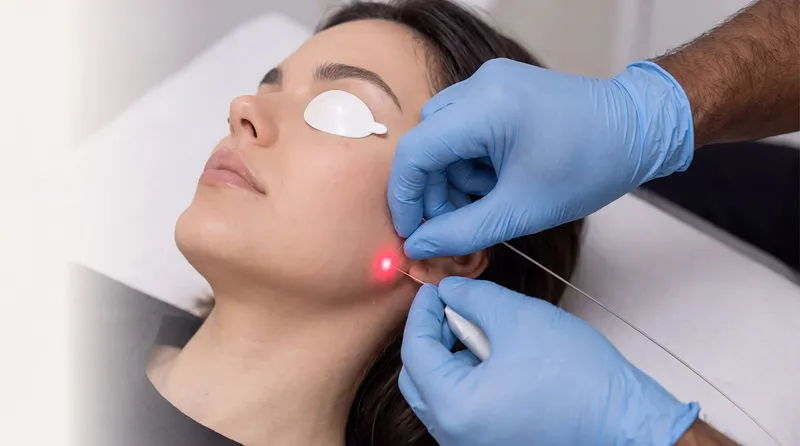
Endotight Body Contouring: A Physician's Guide to Non-Surgical Sculpting
My guide to Endotight body contouring non-surgical treatment explains how I melt fat and tighten skin from within for a sculpted look without major surgery.
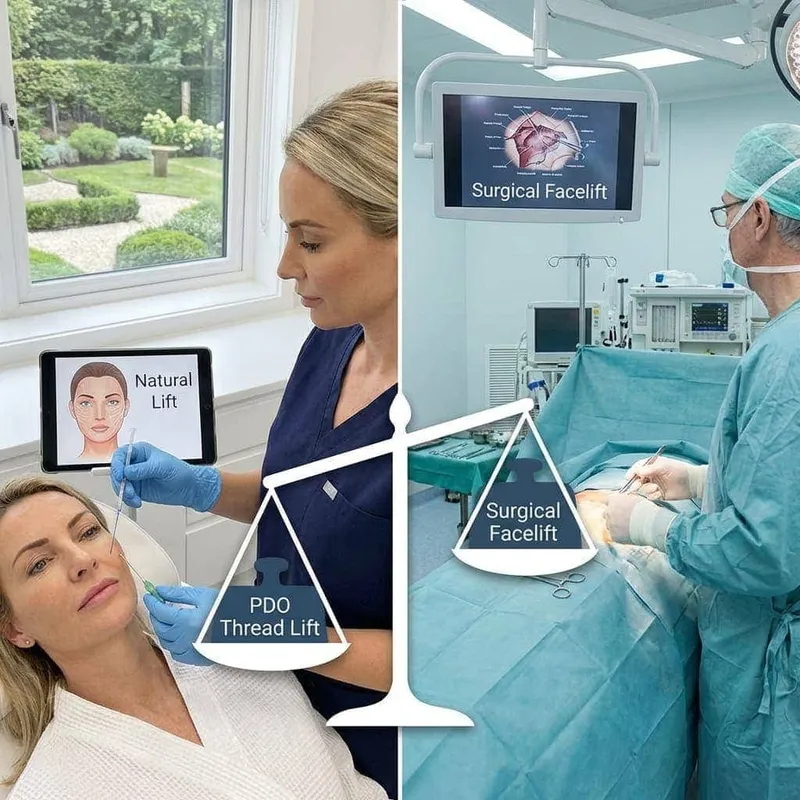
PDO Thread Lifts vs Surgical Facelift: The Better Choice for Natural Facial Rejuvenation
PDO thread lifts vs surgical facelift: which is right for you? Dr. Mikki at Medrein in Southlake compares results, recovery, and long-term outcomes.
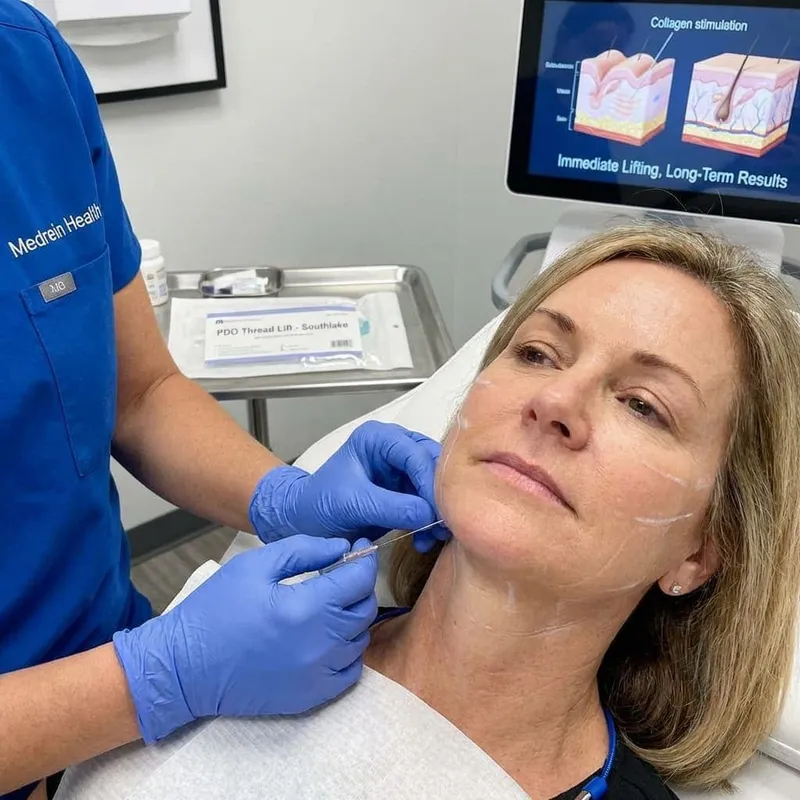
7 Best PDO Thread Lift Benefits for Non-Surgical Face and Neck Tightening
7 benefits of PDO thread lifts for non-surgical face and neck tightening. Dr. Mikki at Medrein in Southlake explains what threads do and who qualifies.