 Medically reviewed by
Dr. Haritha Mikkilineni, MD
Medically reviewed by
Dr. Haritha Mikkilineni, MD

Tirzepatide for Weight Loss in Southlake, TX
Tirzepatide is the molecule in FDA-approved Zepbound and Mounjaro, and in Southlake no dose changes until Dr. Mikki has reviewed your response. It is a dual GLP-1 and GIP medication given as a weekly injection. Candidacy is confirmed before you start.
- Google 4.8★
- Yelp 5.0★
Why Medrein for tirzepatide
Dr. Mikki, our medical director, oversees every weight-loss plan at Medrein herself, from your first consultation to your maintenance dose. Before founding the practice in 2020, she spent 15 years as an emergency medicine physician.
What tirzepatide does
Tirzepatide is a dual GLP-1 and GIP receptor agonist, one of the two GLP-1 medications used for medical weight loss at Medrein. It acts on two of the gut hormone pathways involved in appetite and blood-sugar regulation. Digestion is also slowed, so food leaves the stomach more gradually. It is a once-weekly injection, self-administered at home.
How the medication works
What the two receptors each do
GLP-1 and GIP are two hormones the gut releases after you eat. Tirzepatide acts on both receptors, and because it stays active for several days it is given once a week.
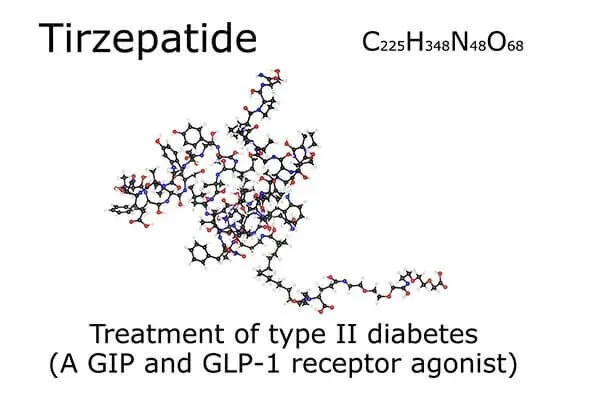
Mounjaro, Zepbound and tirzepatide
Tirzepatide is the active ingredient. Mounjaro and Zepbound are the two brand names it is sold under, and they differ in what each one is approved to treat.
Mounjaro
FDA-approved for type 2 diabetes
Mounjaro is the brand under which tirzepatide was first approved. Its FDA-approved indication is type 2 diabetes.
Zepbound
FDA-approved for chronic weight management
Zepbound contains the same active ingredient. Its FDA-approved indication is chronic weight management in adults with obesity or excess weight, including adults who do not have diabetes.
How tirzepatide differs from semaglutide
Tirzepatide acts on the GIP receptor in addition to the GLP-1 receptor that semaglutide acts on. That difference does not by itself make one the right choice for you. Within Medrein's medical weight loss program the medication is matched to your history, started at a low dose, and adjusted from there.
| Feature | Tirzepatide | Single-Receptor GLP-1 |
|---|---|---|
| Acts on the GLP-1 receptor | Included | Included |
| Also acts on the GIP receptor | Included | Not included |
| Given as a weekly injection | Included | Included |
| Dose adjusted based on treatment response | Included | Included |
What a tirzepatide program looks like
Consultation and candidacy
A full review of your health history, your current medications, previous weight-loss attempts and your goals, together with a physical examination. Screening covers the conditions that would make tirzepatide unsuitable, before anything is prescribed.
Baseline bloodwork
Labs check kidney and liver function, blood sugar and the wider metabolic markers. They set the starting line, and they can pick up related conditions such as thyroid problems, hormone imbalance and insulin resistance that make weight loss harder while they go untreated.
Start low, step up
You begin at a low dose and it is raised gradually, which is intended to keep early nausea and stomach upset manageable. The weekly injection technique is taught in person before you take a pen home.
Monthly review
Each visit reviews how you are responding: weight and appetite, how well you are tolerating the medication, and the blood work that tracks kidney, liver and blood-sugar markers. The dose is adjusted from there.
Nutrition, movement and maintenance
The medication is one part of the plan. Nutritional guidance and behavioural support run alongside it, and maintenance is planned as part of the programme rather than left until later.
Safety and side effects

What makes the program safe
- Tirzepatide is the active ingredient in Mounjaro and Zepbound, which have FDA-approved indications for type 2 diabetes and chronic weight management, respectively.
- Dr. Mikki, a board-certified physician, reviews your history and current medications before the first prescription.
- Bloodwork is drawn first and repeated during the program, not only at the start.
- The dose starts low and is stepped up gradually, which is intended to limit early side effects.
- You are reviewed monthly, so a side effect can be raised and managed while you are on the medication.
Possible side effects
- Nausea, vomiting, diarrhea, constipation, indigestion or stomach pain. These are the common ones, and they are most often reported while the dose is stepping up.
- A reduction in appetite greater than intended.
- Injection-site reactions.
- Rarely: acute pancreatitis, gallbladder problems, kidney injury, vision changes or a serious allergic reaction.
- Low blood sugar, particularly alongside other diabetes medication.
Who tirzepatide is for
Candidacy is confirmed against your history at consultation, and a different route may suit you better. That could be a single-receptor GLP-1, or hormone therapy where a hormonal factor is contributing.
Who may be a candidate
- A BMI of 30 or above.
- A BMI of 27 or above alongside a weight-related medical condition.
- Type 2 diabetes or insulin resistance sitting alongside the weight, where blood sugar matters as much as the scale.
- A single-receptor GLP-1 where the response has been limited, and a second pathway is worth discussing.
- Willingness to be seen monthly and to have bloodwork drawn along the way.
When tirzepatide may not be appropriate
- A family history of medullary thyroid carcinoma, or a personal history of multiple endocrine neoplasia.
- A history of pancreatitis.
- Pregnancy or breastfeeding.
- A known allergy to any of the medication's ingredients.
- Wanting a fast result. The dose is raised over weeks and the change is gradual.
Three things worth knowing before you book
Cost depends on the medication, the dose and your insurance coverage, so ask for the numbers at your consultation.
Stopping matters as much as starting. Appetite generally returns and weight can come back, which is why the maintenance plan is part of the program.
Substantial weight loss can also change how the skin sits. If that comes up, body contouring is a separate conversation, and Dr. Mikki will be straightforward with you about whether it is worth having.
What to expect and how long it takes
Clinical trials have reported sustained weight loss of 20 to 25% of body weight over a year. Trial figures describe a study population, so individual response varies with your starting point, your labs and how consistently the plan is followed. Dr. Mikki's guide to GLP-1 and GIP combination therapy compares the evidence for each option.
The early weeks
Appetite often changes first
A reduction in appetite is commonly reported early on. Mild nausea or stomach upset can occur in the same period and often settles as the body adjusts.
The first month or so
Weight may begin to change
Where weight starts to change, it tends to change gradually. By this stage the dose has usually been reviewed at least once against how you are tolerating it.
Months three to six
Where the plan is reassessed
This is the period over which the effect of a settled dose is usually judged. Blood sugar and other metabolic markers are reviewed alongside weight.
Beyond six months
Goal and maintenance
Reaching a goal weight can take longer than six months, and how long differs from person to person. What happens next, whether that is staying on at a lower dose, moving to another therapy, or holding the result with lifestyle changes, is planned rather than improvised.
Compare the other GLP-1 option
What tirzepatide patients say
These reflect common patient sentiment rather than verbatim quotes, and individual results vary.
I had tried a single GLP-1 elsewhere and hit a wall. Dr. Mikki looked at my history, explained why the dual-receptor option might fit better, and walked me through the pen in the room. Results may vary, but she changed the dose as I responded instead of leaving me on the same number.
She explained the second receptor in plain terms, then adjusted my dose at every follow-up.

Tirzepatide questions, answered
How does tirzepatide work?
Tirzepatide is a dual agonist. It acts on two incretin receptors, GLP-1 and GIP, which are involved in appetite, stomach emptying and blood-sugar regulation.
How is tirzepatide different from semaglutide?
Tirzepatide acts on two receptors, GLP-1 and GIP, while semaglutide acts on GLP-1 alone. Which one is appropriate depends on your history and on how you respond, and that is decided with Dr. Mikki.
How is tirzepatide taken?
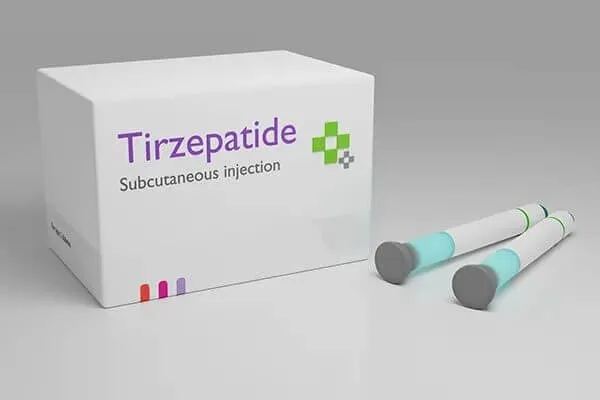
Tirzepatide is a once-weekly injection given under the skin. Dr. Mikki starts you on a low dose and steps it up over several weeks to reduce side effects. She teaches you the injection technique at your visit.
Who is a candidate for tirzepatide?
Candidacy depends on your BMI, your health history, and any weight-related conditions. Dr. Mikki confirms candidacy and screens for contraindications at your consultation.
How soon will I see results?
Appetite changes are often reported within the first few weeks, with weight changes typically following within the first month or so, as the dose is titrated upward. There are no shortcuts, and results vary from patient to patient. Dr. Mikki sets a realistic timeline for your case at the first visit.
Can I switch to tirzepatide if semaglutide is not working?
Possibly. If your response to a single-receptor medication has been limited, moving to the dual-receptor option is one of the things Dr. Mikki may discuss at follow-up. It is a clinical decision made case by case.
How do I get started?
Book a consultation online or call (214) 702-5225. Dr. Mikki reviews your history, confirms whether tirzepatide fits you, and sets your starting dose at that visit.
Is tirzepatide the same as Mounjaro or Zepbound?
Yes. Tirzepatide is the molecule; Mounjaro and Zepbound are the brand names it is sold under. Mounjaro is FDA-approved for type 2 diabetes, and Zepbound is FDA-approved for chronic weight management, including for people who do not have diabetes. Dr. Mikki prescribes tirzepatide and explains which framing applies to your case at consultation.
What are the side effects of tirzepatide?
The common side effects are gastrointestinal: nausea, vomiting, diarrhea, constipation, indigestion and stomach pain. They are most often reported while the dose is stepping up. A reduction in appetite greater than intended, and injection-site reactions, can also occur. Less commonly, acute pancreatitis, gallbladder problems, kidney injury, vision changes or a serious allergic reaction have been reported. Low blood sugar is a risk alongside other diabetes medication. Side effects are reviewed at every monthly visit.
See if tirzepatide is right for you
A consultation covers your history, your labs and your goals, which is what decides whether tirzepatide is appropriate for you.
Board-certified MD · NPI 1891947438 · Licensed in TX and NM · 4.8★ from 131 Google reviews