 Medically reviewed by
Dr. Haritha Mikkilineni, MD
Medically reviewed by
Dr. Haritha Mikkilineni, MD
Chemical Peels in Southlake, TX
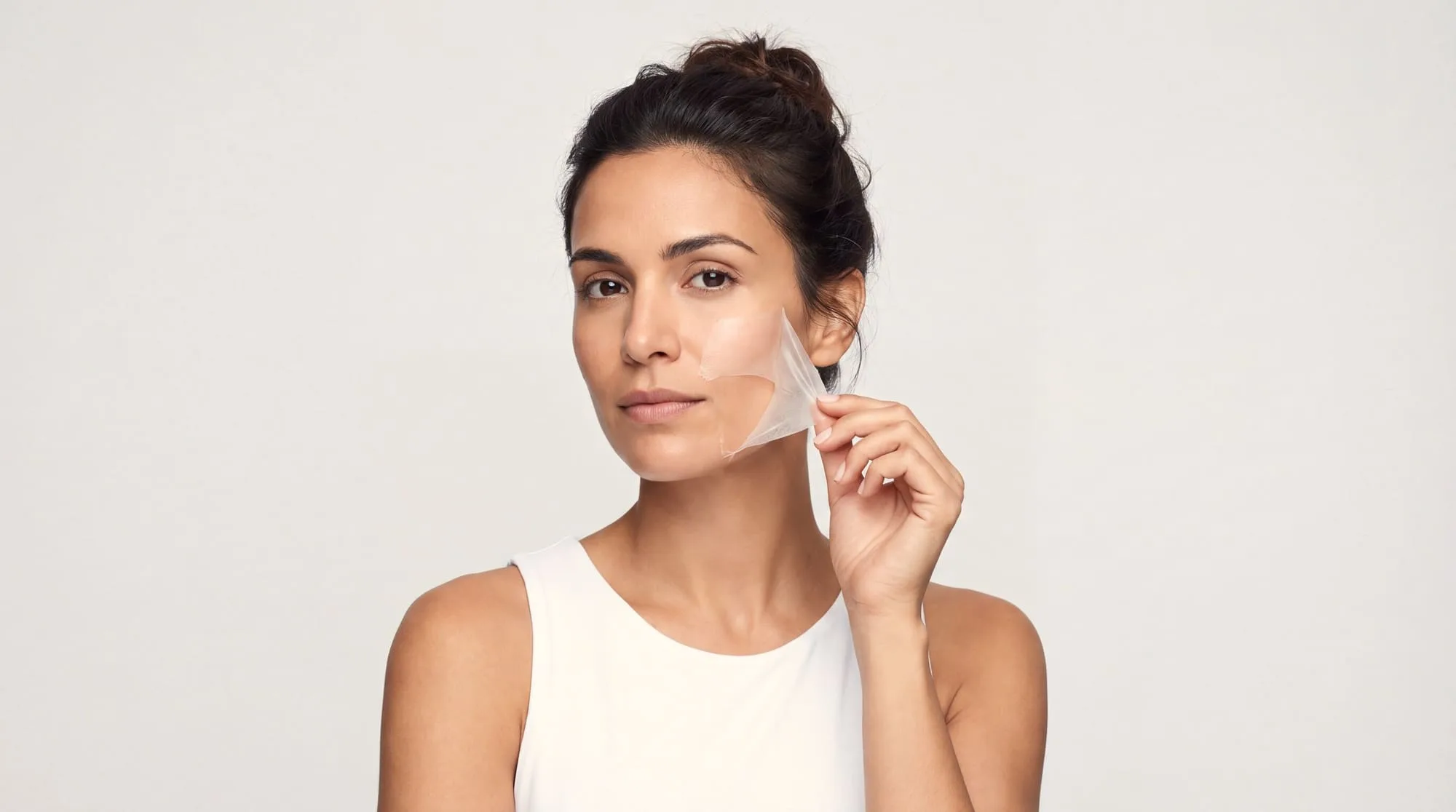
For chemical peels in Southlake, a board-certified MD chooses the acid and depth, which matters most on darker skin and skin that pigments easily. A chemical peel uses a controlled acid solution to exfoliate the skin for more even tone and smoother texture.
- Google 4.8★
- Yelp 5.0★
Exfoliation matched to your skin
A chemical peel resurfaces the skin with acids chosen for the concern being treated, from a light glycolic refresh to a medium TCA peel. It is the deepest option among our medical facials, so the acid and strength are selected after Dr. Mikki reads your skin type.
What a chemical peel does
The skin concerns a chemical peel treats
Peeling away the outer layer reveals the newer skin underneath, which is why one treatment can address several concerns at once. Individual results vary with the acid used and your skin type.
What it treats
- Acne scars
- Active acne and scarring
- Wrinkles and fine lines
- Uneven skin tone
- Dull, aging skin
- Rough surface texture
What patients notice
- Reduced wrinkles and fine lines
- Fewer acne scars
- Even-toned skin
- Increased collagen production
- Smoother, tighter skin
- A radiant, glowing finish
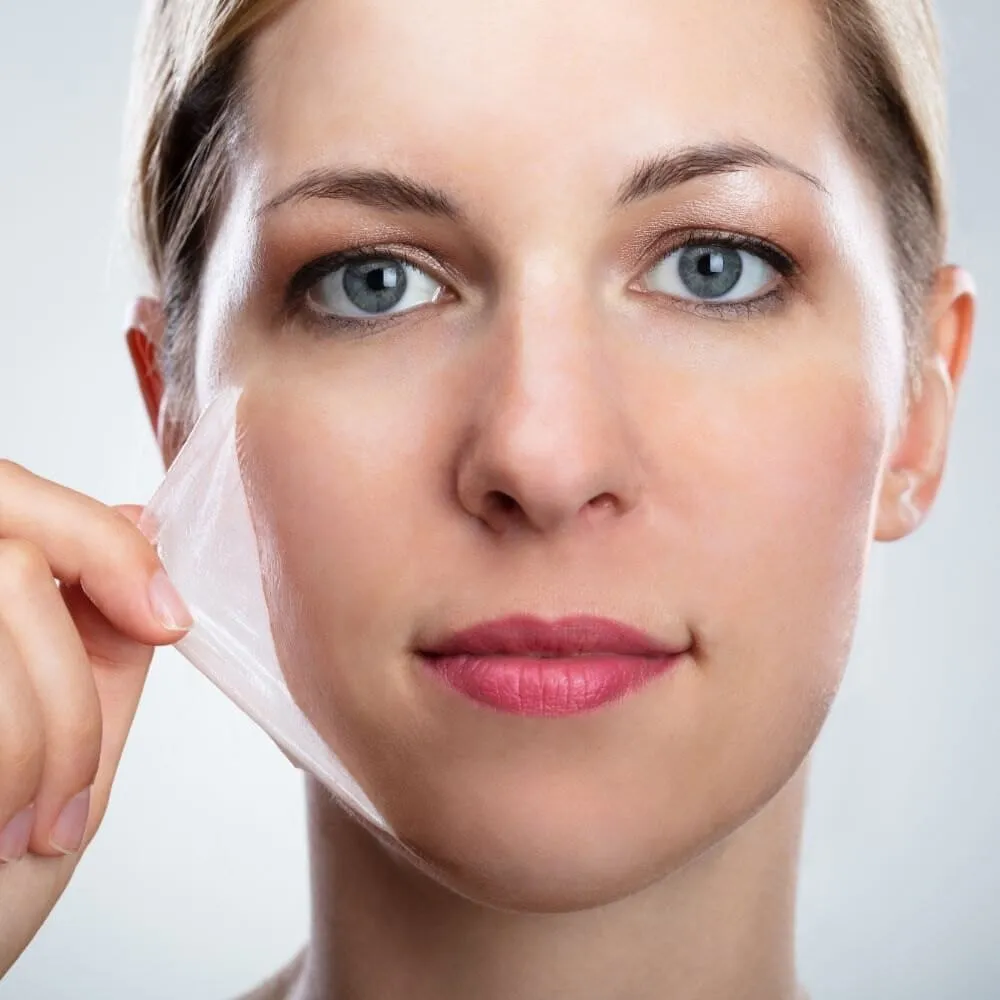
What a chemical peel session looks like
Consultation and peel selection
Dr. Mikki personally consults with you to understand your skin requirements and goals, then builds a custom plan. The acid and the depth are chosen here, which matters most on pigment-prone skin.
The solution is applied
You sit and relax in a spa-like treatment room while a safe chemical solution is applied to the skin. It is left on for a set time chosen for the peel depth.
The solution is washed off
After a while the solution is washed off. The exfoliation continues in the days that follow.
Healing ointment and aftercare
A healing ointment is applied to soothe the exfoliated skin, and you leave with the aftercare plan Dr. Mikki mapped out before you booked.
The peel finishes at home, not in the room
The solution is washed off before you leave, but the exfoliation keeps going for days afterward. That is the treatment working, and it is why Dr. Mikki maps the downtime with you before you book. Individual results vary.
The acid should fit the skin type
Deeper peels carry a higher risk of pigment changes on darker skin, so the formula is chosen to match tone and concern. For maintenance between peels, many patients keep a dermaplaning visit in their routine.
| Feature | Superficial Peel | Medium Peel | At-Home Acids |
|---|---|---|---|
| Acid and strength chosen by a physician | Included | Included | Not included |
| Addresses deeper texture and pigment | Varies | Included | Not included |
| Downtime to plan for | Light | Included | Not included |
| Often done as a series | Included | Varies | Varies |
Safety and what to expect afterward
How the treatment is kept safe
- The solution used is a safe chemical formula, applied and then washed off under supervision.
- A healing ointment is applied afterward to soothe the exfoliated skin.
- All staff are well-trained, licensed professionals with years of experience.
- The center is equipped with advanced technologies for a comfortable, clean and safe experience.
- Dr. Mikki, a board-certified physician, personally consults and builds the plan around your skin.
Right after the peel
- Redness right after the treatment.
- Swelling in the treated area.
- Itchiness as the skin begins to exfoliate.
- A burning sensation immediately afterward.
- These are short-lived. Extra care is taken so they do not last long or disrupt your day-to-day activities.
Who a chemical peel is for
Dr. Mikki discusses your skin concerns and goals at consultation and will say when a peel is not the right procedure: a HydraFacial where you cannot take flaking, or dermaplaning where the issue is surface buildup, not pigment.
A good fit
- Acne scars, wrinkles or an uneven skin tone you want addressed directly.
- Dull or aging skin that surface care has stopped improving.
- Willing to plan around flaking, which is how a peel works, not a side effect of it.
- Wanting a series. Acne peels are often repeated every two weeks, mild to normal peels every four to six.
Not the right treatment
- Wanting no visible flaking at all, in which case a HydraFacial is the honest answer.
- Unable to plan around downtime, since a medium peel means peeling and redness over roughly a week.
- Pigment-prone skin where the depth has not been matched first. Deeper peels carry a higher risk of pigment change on darker skin.
Two things worth knowing before you book
A peel is a plan, not a single appointment: acne peels are often repeated about every two weeks and mild to normal peels every four to six, and the interval is set by the acid used, not a fixed package. And the depth is chosen for your skin tone before anything is applied, because that is the decision that keeps pigment-prone skin safe. Individual results vary.
Why patients trust our approach to peels
These reflect common patient sentiment rather than verbatim quotes, and individual results vary.
I have brown skin and had held off on peels because I was worried about dark spots afterward. Dr. Mikki examined my skin, chose a lighter peel to start, and walked me through exactly what the flaking would look like. My tone looks more even and I never got the pigment problems I feared. Results may vary, but I trusted the caution.
She matched the peel to my skin instead of a set package, and told me the downtime up front.

Chemical peel FAQs
What is a chemical peel?
A chemical peel applies an acid solution, such as glycolic, salicylic, lactic or TCA, to exfoliate the skin in a controlled way. As the treated surface sheds over the following days, fresher skin is revealed underneath. Peels are used for tone, texture, congestion and the look of fine lines.
How do I know which peel strength is right for me?
Dr. Mikki decides this at consultation by examining your skin type, concern and history, then selecting the acid and depth that fits. A superficial peel suits maintenance and mild concerns, while a medium peel addresses deeper texture and pigment with more recovery. The choice follows the exam, not a set package.
Are chemical peels safe for darker skin tones?
Yes, peels can be used across a range of skin tones when the acid and strength are chosen carefully, because deeper or poorly matched peels carry a higher risk of pigment changes in darker skin. Dr. Mikki, who works regularly with pigment concerns, reviews your skin type and tailors the peel accordingly. Candidacy is confirmed at consultation.
How much downtime does a chemical peel involve?
A superficial peel typically causes light flaking and mild dryness for a few days. A medium peel involves more visible peeling and redness over roughly a week. Dr. Mikki tells you what to expect before you book so you can plan around it.
How is a chemical peel different from a HydraFacial or dermaplaning?
A chemical peel exfoliates more deeply using acids and can involve visible peeling. A HydraFacial cleanses and hydrates with water-based vortex technology and no downtime. Dermaplaning removes surface cells and vellus hair with a blade. Peels are often scheduled after gentler treatments have prepped the skin.
How many peels will I need?
Superficial peels are often done in a series spaced a few weeks apart to build a result, while a medium peel may stand alone. The plan depends on your concern and skin type, and Dr. Mikki sets it at consultation. Results may vary.
What results can I expect from a chemical peel?
Visible differences can appear after your very first chemical peel: reduced wrinkles and fine lines, fewer acne scars, more even-toned skin, and a tighter, smoother, more radiant finish as collagen production increases. How much changes depends on the acid and depth used and on your skin, and individual results vary.
How often can I get chemical peels?
A peel done for acne may be repeated about every two weeks, while a mild to normal peel is usually spaced four to six weeks apart. The exact interval depends on the peel and your skin goals, and Dr. Mikki sets your cadence at consultation based on the acid used and how your skin responds.
Who performs chemical peels at Medrein?
Peels are performed at a clinic led by Dr. Haritha Mikkilineni, MD, a board-certified physician. She selects and supervises the peel based on your skin, which matters most when treating pigment or using a deeper formula.
Is a chemical peel right for your skin?
Dr. Mikki reviews your skin type and concern, selects the acid and depth, and maps the downtime before you book.
Board-certified MD · NPI 1891947438 · Licensed in TX and NM · 4.8★ from 131 Google reviews