 Medically reviewed by
Dr. Haritha Mikkilineni, MD
Medically reviewed by
Dr. Haritha Mikkilineni, MD
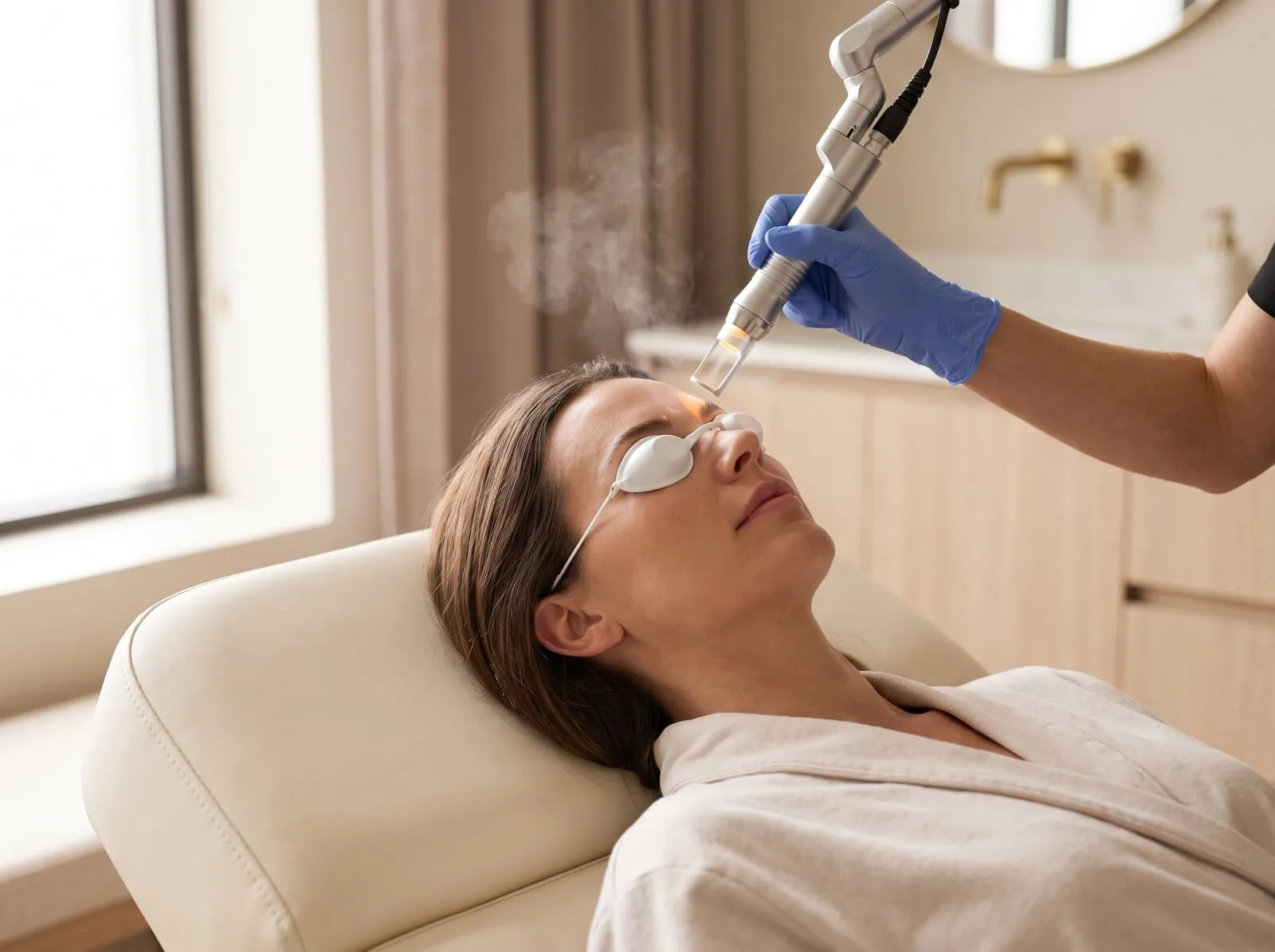
Laser Skin Resurfacing Set to Your Skin in Southlake, TX
Laser resurfacing in Southlake runs on a genuine Fotona SP Dynamis Er:YAG (erbium) laser that Dr. Mikki chose herself, with the depth set to your skin type. It renews your skin's surface, so texture reads smoother and tone reads more even, and she tells you what recovery looks like before you book.
- Google 4.8★
- Yelp 5.0★
Surface renewal and deeper collagen in one platform
Laser skin resurfacing at Medrein runs on the Fotona SP Dynamis. One pass renews the skin's surface a micro-layer at a time. A second, deeper pass warms the collagen underneath, so the skin firms as it heals. Dr. Mikki sets the depth of both to your skin type.
What Fotona resurfacing does for your skin
The concerns laser resurfacing treats
Resurfacing is a texture treatment and a tone treatment at once, because the two passes work at different depths. Dr. Mikki maps which of these are driving how your skin reads before setting a plan.
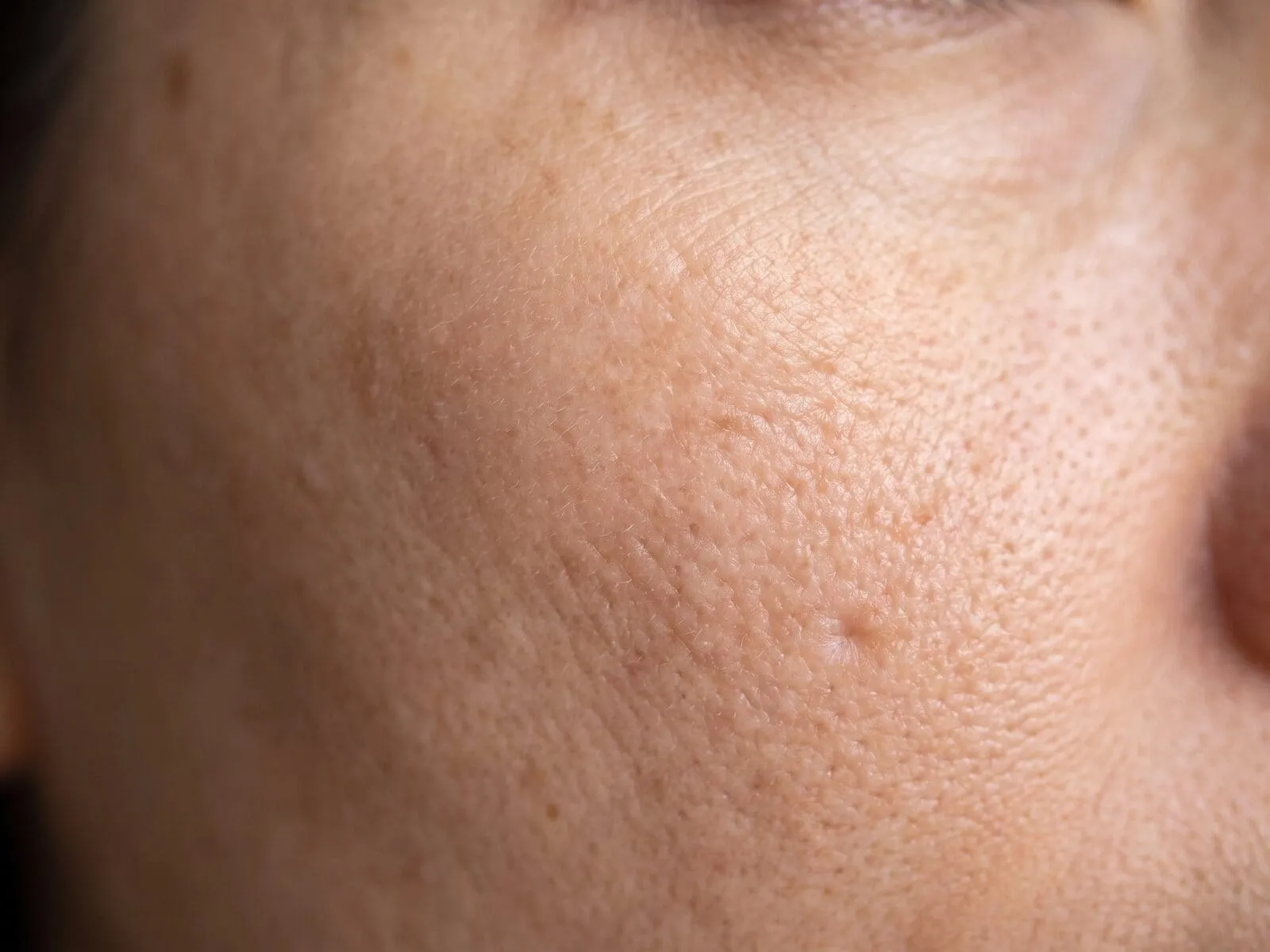
Texture, lines and pores
The surface pass is aimed here. It renews the outer skin a micro-layer at a time.
-
Fine lines and wrinkles
These soften as the resurfaced skin heals and collagen builds beneath it.
-
Enlarged pores
Removing the worn outer layer refines the pores sitting in it.
-
Uneven skin texture
Rough, grainy or bumpy texture evens out across the treated area.
Tone, pigment and scarring
These sit deeper, where the second pass and the collagen it builds do the work.
-
Age spots and sun spots
Discrete brown marks left by years of sun are treated as pigment.
-
Sun damage
Blotchy, weathered tone is treated across a whole area in one session.
-
Birthmarks
Some pigmented birthmarks respond to the same pigment-directed pass. Dr. Mikki confirms which at consultation.
-
Acne scars
Pitted and rolling acne scarring responds particularly well to resurfacing.
-
Surgical and keloid scars
Surgical, hypertrophic and keloid scarring is assessed on its own terms first.
-
Stretch marks
Stretch marks are treated as scar tissue, on the same platform and across a similar series.
What a resurfacing session looks like
Medrein runs resurfacing in three steps instead of a single pass. That is how both halves of the SP Dynamis get used in one visit.
Conditioning
The first pass warms the skin deep down. It works below the surface, before anything is removed from it.
Fractional therapy
The Erbium laser removes old, worn-out skin in a fractional pattern. Treated columns sit beside untreated ones, so the area heals from its own margins.
Peeling
A light full Erbium pass polishes what the fractional pass has loosened. This is the finishing step, and it is where the smoother surface comes from.
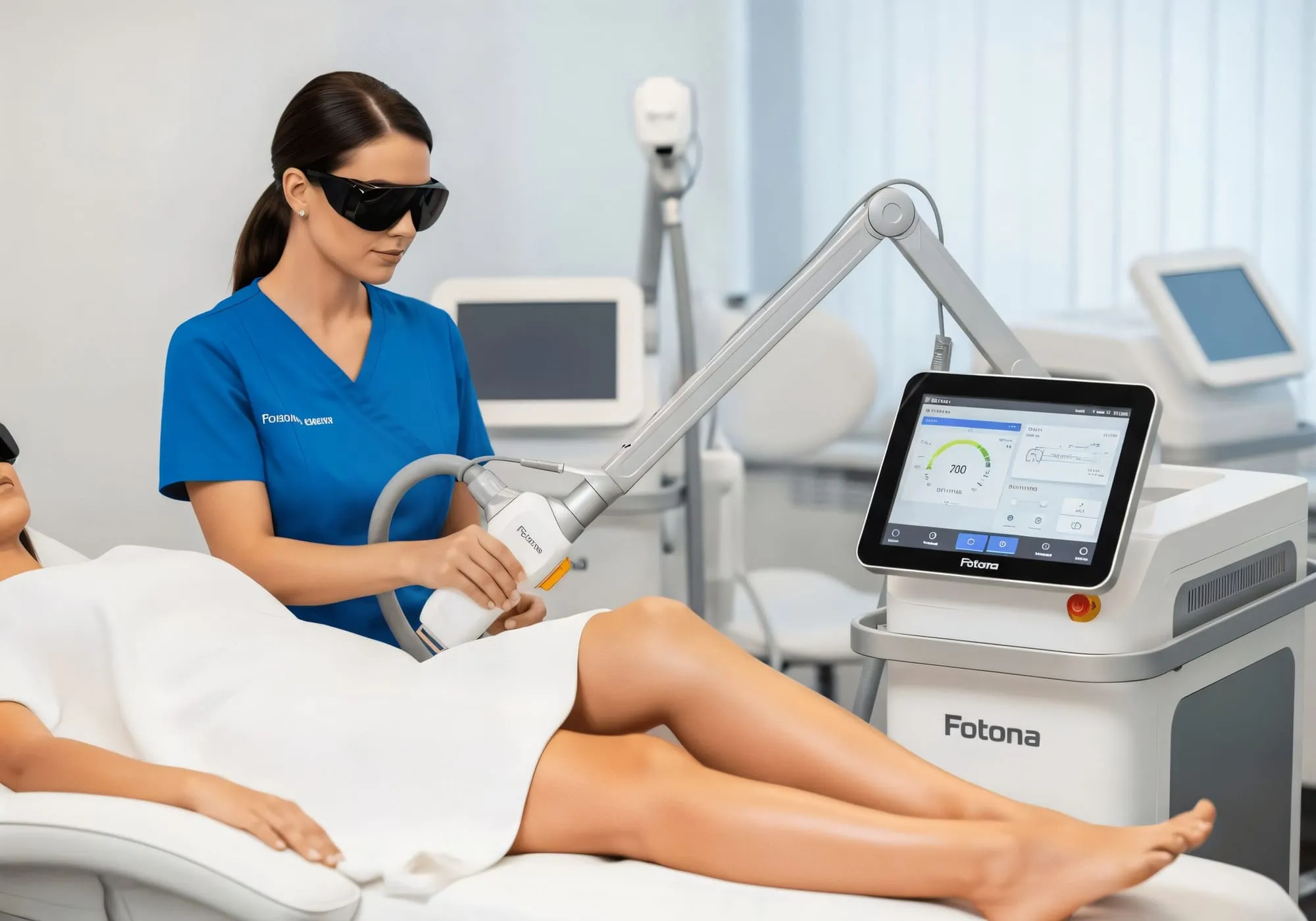
What else counts as resurfacing
"Resurfacing" covers five different procedures, and they are not interchangeable. Dr. Mikki uses Microneedling and Chemical Peels alongside the laser where they fit, and she declines the one option she considers unsafe across skin types.
What Erbium changes about recovery
Erbium leaves less heat behind than an older CO2 laser, so surface renewal comes with a shorter recovery. Resurfacing is one option in the Fotona Lasers family. When the goal is a lift instead of texture, Dr. Mikki points patients to Fotona 4D.
| Feature | Fotona Erbium (Medrein) | CO2 Laser | At-Home Devices |
|---|---|---|---|
| Precise micro-layer surface renewal | Included | Varies | Not included |
| Dr. Mikki sets how deep each pass goes | Included | Varies | Not included |
| Recovery measured in days | Included | Not included | Included |
| Texture and deeper collagen in one platform | Included | Varies | Not included |
How Erbium and CO2 differ
Both lasers resurface. They differ in how deep they go, how long you recover, and how much pigment risk they carry. That is why Medrein runs one of them.
| Axis of comparison | Erbium (what Medrein uses) | CO2 laser |
|---|---|---|
| Depth of penetration | Erbium:More precise and controlled resurfacing | CO2:Deeper penetration into the skin |
| Best suited to | Erbium:Fine lines, mild to moderate wrinkles, acne scars and pigmentation | CO2:Severe wrinkles and deep scarring |
| Risk of hyperpigmentation | Erbium:Less risk of dark marks after treatment | CO2:Higher risk of dark marks after treatment |
| Downtime | Erbium:Less downtime, in the region of 3 to 7 days | CO2:Longer downtime, up to about 2 weeks |
| Range of skin types | Erbium:Safer across all skin types | CO2:Not safe for all skin types |
| Darker skin tones | Erbium:Ideal for darker skin tones | CO2:Carries more pigmentary risk in darker skin |
Safety, downtime and what to expect afterward
Why Erbium resurfacing is considered safe
- Erbium is considered safe across all skin types, which is why Medrein uses it.
- The laser takes micro-thin layers at a time, so it does not injure deeper tissue.
- It carries less risk of dark marks afterward than an older CO2 laser.
- It is considered a good choice for darker skin tones, which carry the most pigment risk.
- Dr. Mikki, a board-certified physician, sets the depth to your skin and runs the session herself.
Recovery and possible side effects
- The treated skin is red, swollen or irritated for a short span after a session.
- New skin usually covers the treated area in one to two weeks.
- Downtime runs roughly 3 to 7 days on a deeper pass, depending on how deep Dr. Mikki goes.
- Visible results usually take approximately 1 to 3 months, as collagen continues to build.
- Pigment-prone skin needs adjusted settings, which is why Dr. Mikki checks your skin type first.
Who laser skin resurfacing is for
Dr. Mikki confirms candidacy against your skin type and your schedule. She will say when something else fits better: scar revision when one specific scar is the concern, or the wider Fotona platform when laxity matters more than the surface.
A good fit
- You have wrinkles or enlarged pores around the eyes, the mouth or the forehead.
- Uneven texture, dullness or blotchy tone runs across a whole area of your skin.
- Acne, surgical or hypertrophic scarring needs treating alongside overall texture.
- Your skin tone is darker. Erbium is the wavelength chosen for tone-safe resurfacing.
- Your schedule has room for 3 to 7 days of recovery on a deeper pass.
Not the right treatment
- You want a same-day change. Visible results take approximately 1 to 3 months.
- Advanced skin laxity is the concern, where rebuilding collagen matters more than the surface.
- You have no tolerance for downtime. Even a light pass leaves the skin pink for a day or two.
- There is an active infection or an unsettled skin condition in the area. Dr. Mikki checks that first.
Dr. Mikki looks at your skin under good light, names what is driving the texture, and sets the depth that suits your skin type. You leave knowing how many sessions to plan for and what the recovery asks of you.
Before you book, three things worth knowing
Visible results usually take approximately 1 to 3 months, because collagen builds after the surface has healed. Resurfacing can be combined with PRP therapy, Microneedling, Chemical Peels or Injectables where that suits your skin, and Dr. Mikki decides the order at consultation. Results may vary. The depth that suits your skin type is what sets both the result and the recovery.
Before and after
Each pair holds one face before treatment beside the same view after a course of Fotona laser resurfacing. Eight cases, and individual results vary.
Scroll the row sideways for the rest.
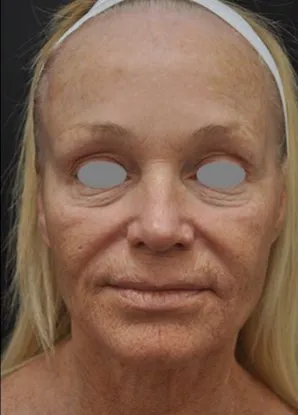
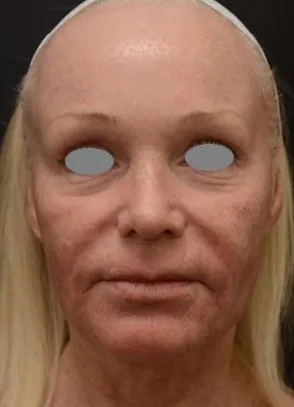
Sun-mottled tone through the mid-face, with lines gathered around the mouth and slack skin down the neck.
Erbium takes the surface layer while Nd:YAG heats the collagen underneath.
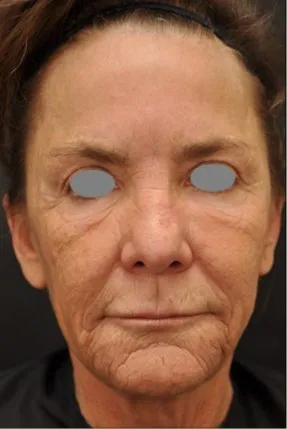
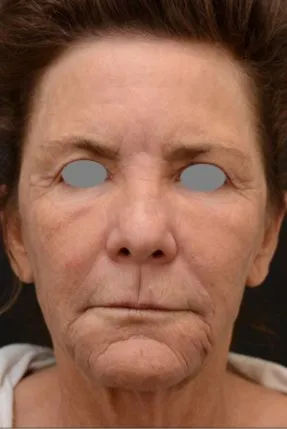
Deep folds down both cheeks and a leathery, sun-worn texture across the whole face.
Fractional passes leave untreated skin between columns, which is what shortens healing.
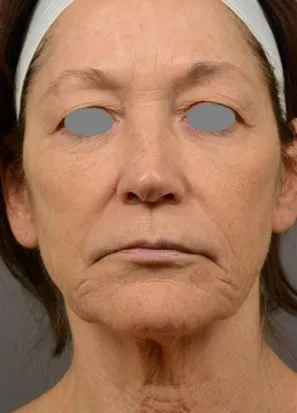
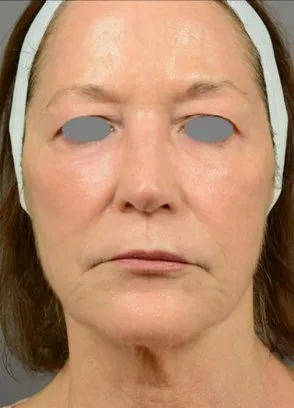
Lines running from the mouth to the jaw, with the skin of the neck starting to band.
Depth is set to your skin type, and depth is what sets both the result and the recovery.
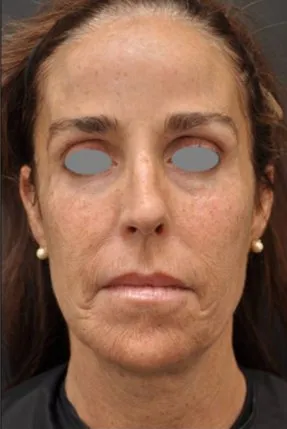
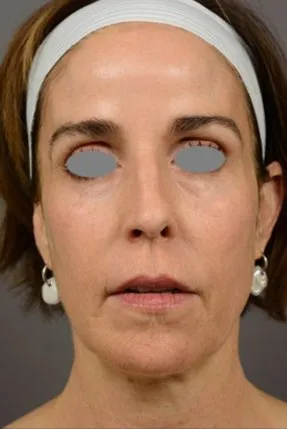
Fine lines across the cheeks and around the mouth over dull, uneven tone.
Collagen keeps building for weeks after the surface has healed.
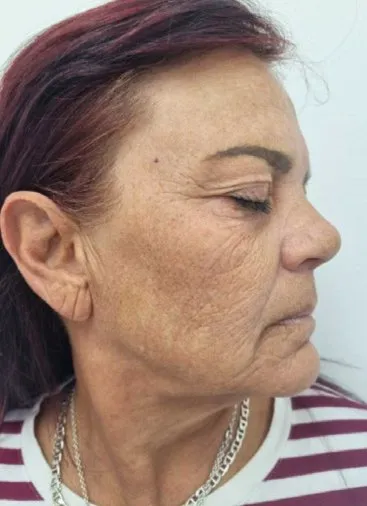
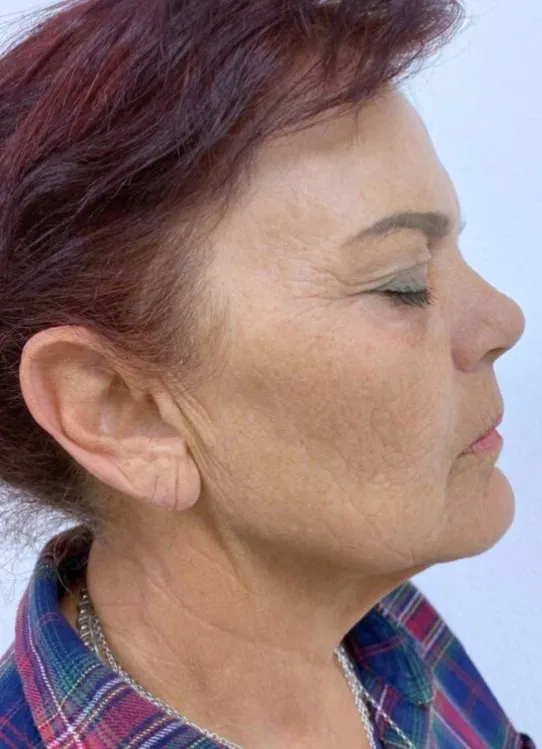
Heavy sun damage read as brown mottling across the cheek, over crepey texture along the jaw.
Pigment and texture are treated in the same pass rather than in two visits.
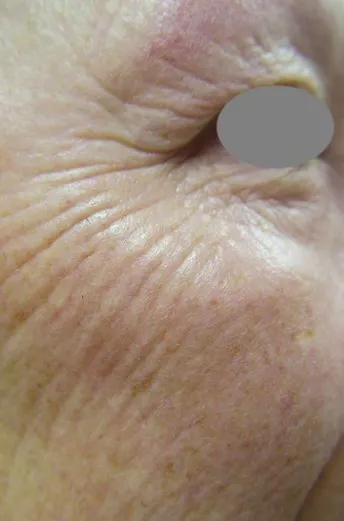
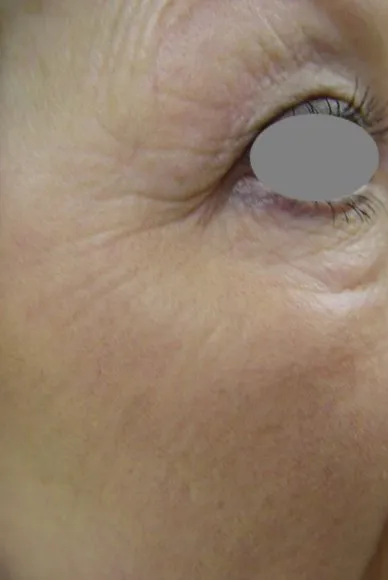
Fine crepey lines fanning out from the outer corner of the eye across the cheekbone.
The eye area is treated at a shallower setting than the rest of the face.
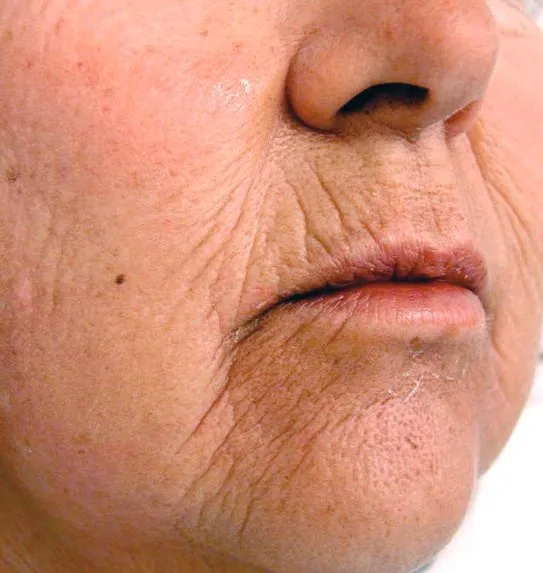
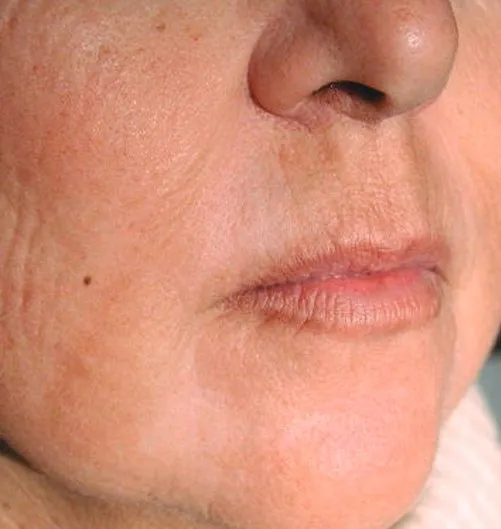
Vertical lines stacked around the lips, with creasing carried down over the chin.
Perioral lines take the deepest setting the surrounding skin will tolerate.
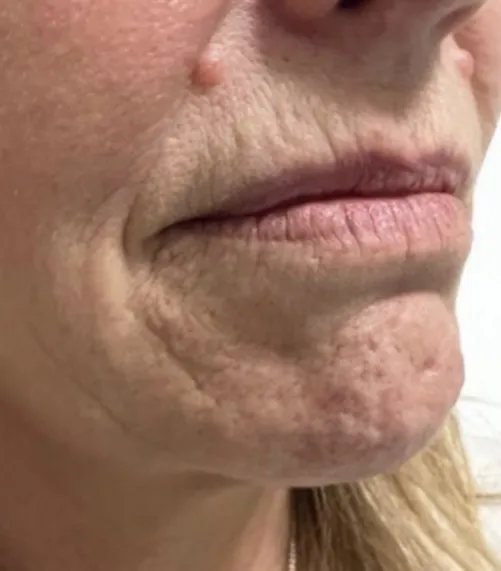
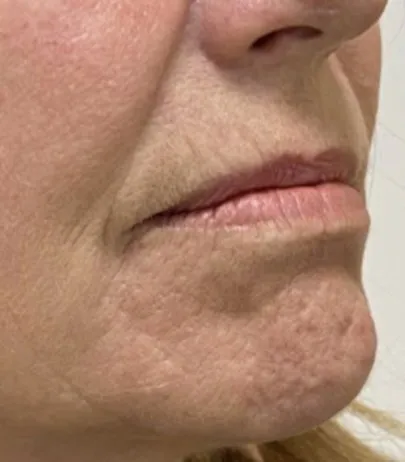
Lines around the mouth with mottled pigment and rough texture over the chin.
Texture and pigment lift together as the treated surface sheds and regrows.
Related Fotona treatments
Why patients choose Fotona resurfacing
These illustrate common patient sentiment. They are not word-for-word quotes, and individual results vary.
My texture and old sun spots bothered me, and Dr. Mikki walked me through what the laser would do before we scheduled anything. She set the depth to my skin type and told me exactly what recovery looked like. Results may vary, but my skin reads smoother and more even now.
She chose the setting for my skin, not a one-size pass. The redness faded on the timeline she gave me.

Laser skin resurfacing FAQs
How does laser skin resurfacing work?
Laser skin resurfacing uses focused light to renew the skin surface and stimulate collagen underneath. At Medrein the treatment runs on the Fotona SP Dynamis, which pairs an Erbium (Er:YAG, 2940 nm) pass for precise surface renewal with a deeper pass that warms the tissue below. Dr. Mikki performs the treatment and selects the settings for your skin.
What concerns does resurfacing treat?
Resurfacing addresses uneven texture, fine lines, enlarged-looking pores, dullness, and mild sun-related surface damage. Deeper laxity is better matched to a collagen-building treatment; Dr. Mikki maps the right approach at consultation.
Will I need a light pass or a deeper one?
A deeper Erbium pass removes more surface layers for a stronger texture result, and it asks for more recovery time. A lighter pass is gentler, with less downtime and a more gradual change. Dr. Mikki confirms candidacy and depth at your consultation, based on your skin type and your schedule.
How much downtime should I expect?
Downtime ranges from a day or two of pink skin for a lighter pass to several days of flaking and redness for a deeper one, depending on how deep Dr. Mikki goes. The depth used is what decides which end of that range you land on. Dr. Mikki walks you through the recovery for your own plan before you book.
How many sessions will I need?
Most plans use 1 to 3 sessions, spaced a few weeks apart. Dr. Mikki decides the number at consultation, based on the concern and the depth she plans to use.
How long does one session take?
A single session typically runs 30 to 60 minutes. The area treated and the depth used are what move that number.
Is laser resurfacing safe for darker skin tones?
Yes, Erbium is considered a good choice for darker skin tones, since it resurfaces more precisely than an older CO2 laser and carries less risk of dark marks afterward. Dr. Mikki still checks your skin type, and where pigment is the main concern she may recommend a Picolaser approach instead. Candidacy is confirmed at consultation.
When will I see visible results?
New skin usually covers the treated area in one to two weeks. Visible results typically appear in approximately 1 to 3 months, as collagen keeps building underneath. In the short term you can expect redness, swelling or irritation. Results may vary, and Dr. Mikki sets a realistic timeline for your skin at consultation.
Why does Medrein use Erbium instead of CO2?
Medrein uses Erbium, the Er:YAG laser, because it is more precise and controlled, safer across all skin types, and its downtime runs roughly 3 to 7 days against CO2's up to about two weeks. CO2 goes deeper and suits severe wrinkles and deep scars, but at a higher risk of dark marks and longer recovery. Erbium still works well on fine lines, mild to moderate wrinkles, acne scars and pigmentation. Medrein does not offer CO2 at all, because it causes deep tissue injury and burns.
Is laser resurfacing better than microdermabrasion?
For scars, uneven skin tone, fine lines and wrinkles, laser skin resurfacing is the stronger option. It works below the surface as well as on it, where microdermabrasion works only on the surface. Dr. Mikki will tell you plainly when a gentler option is enough for what you want changed.
Is laser resurfacing right for your skin?
Dr. Mikki reviews your texture and tone, sets the depth to your skin type, and confirms candidacy before you schedule.
Board-certified MD · NPI 1891947438 · Licensed in TX and NM · 4.8★ from 131 Google reviews