 Medically reviewed by
Dr. Haritha Mikkilineni, MD
Medically reviewed by
Dr. Haritha Mikkilineni, MD
Laser Fungal Nail Treatment Without Pills in Southlake, TX
Laser fungal nail treatment in Southlake clears the infection locally with no oral medication, on a plan from Dr. Mikki. The laser heats the nail bed, and improvement shows gradually as a healthy nail grows in over months.
- Google 4.8★
- Yelp 5.0★
A local treatment and an honest timeline
Laser fungal nail treatment uses a laser from the Fotona lasers family to heat the nail bed and target the fungus, without oral medication. It treats toenails and fingernails, and the result shows the way nails actually change: a clearer nail grows in over months, not days. Dr. Mikki is upfront that fungal nails can recur, and aftercare is part of holding the result.
Signs of a fungal nail infection
A fungal nail infection is easy to miss early on. It usually starts as one discoloured corner and spreads across the nail over months, which is why most patients only book once the nail has thickened enough to notice.
Not every nail change is fungal. Psoriasis, an old injury and a bruise under the nail can look much the same, so Dr. Mikki examines the nail before recommending any treatment.
Toenail and fingernail fungus
The same laser treats both, but they get infected in different ways and clear on different timelines. Dr. Mikki maps which nails are involved at consultation.
Toenail fungus
Feet are where most infections start, because the conditions the fungus prefers are the conditions inside a shoe.
- Closed-toe footwear worn for long stretches keeps the nail warm and damp.
- Sweaty feet give the fungus the moisture it needs to establish.
- Athlete’s foot on the surrounding skin can move into the nail itself.
- Gyms, public showers, saunas and swimming pools are common points of exposure.
- Toenails grow slowly, so a clearer nail takes longer to show than it would on a hand.
Fingernail fungus
Hands are affected less often, and when they are, the route in is usually the nail plate itself.
- Sweaty hands, or hands that spend long periods in water and gloves.
- Overuse of artificial nails, which seals the natural nail underneath.
- Salon tools that have not been sterilised between clients.
- An injury to the nail or the skin around it that lets the fungus in.
- A nail that has already detached from the bed for another reason.
What causes nail fungus
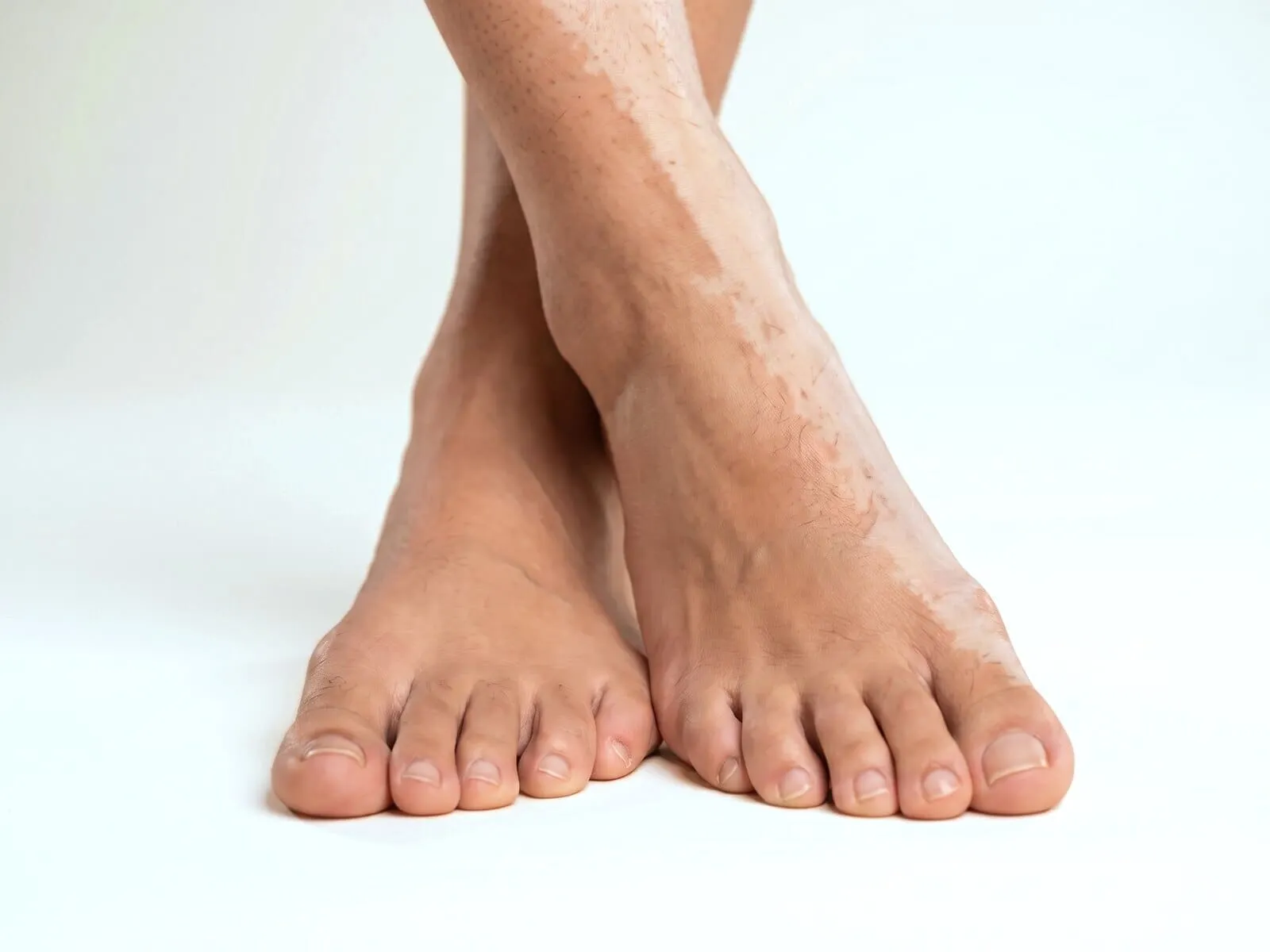
Knowing how the infection started matters, because the same conditions are what bring it back after treatment.
How the fungus gets in
Almost every route starts with a break in the nail or the skin immediately around it.
- An injury to the nail or to the surrounding skin.
- Nail ingrowths caused by trimming the nail into the corners.
- A nail that has detached from the nail bed.
- Athlete’s foot spreading from the skin into the nail.
- Skin disorders such as psoriasis that disturb the nail plate.
- Overuse of artificial nails on the hands.
What makes an infection more likely
These do not cause the infection on their own, but they are the conditions it takes hold in.
- Sweaty hands and feet.
- Closed-toe footwear worn for extended periods.
- Germ-prone public spaces: gyms, public showers, saunas and swimming pools.
- Diabetes, poor blood circulation or weakened immunity.
What the laser does for nail fungus
The Fotona SP Dynamis laser behind the treatment
Fungal nail treatment at Medrein runs on the Fotona SP Dynamis, a dual-wavelength platform built to treat across a range of concerns from the same machine.
Two complementary wavelengths
The SP Dynamis pairs an Erbium and an Nd:YAG source on one machine. Fotona describes the two as complementary wavelengths that work across four dimensions, which is what lets a single platform cover treatments as different from each other as nail fungus and skin resurfacing.
A genuine, brand-name platform
This is a real Fotona platform, serviced and operated by a board-certified physician. It is the same equipment standard Dr. Mikki applies across every laser service in the clinic.
Laser, pills, or topicals
Oral antifungals work throughout the body and may require blood monitoring, while topicals can have trouble reaching the nail bed. Laser treatment takes a different approach by targeting the affected area directly. If the concern turns out to be in the surrounding skin rather than the nail, the same platform can also be used for lesion removal.
| Feature | Laser (Medrein) | Oral Antifungal | Topical |
|---|---|---|---|
| Works locally at the nail bed | Included | Not included | Varies |
| No liver monitoring required | Included | Not included | Included |
| No daily routine to maintain for months | Included | Not included | Not included |
| Guaranteed cure | Not included | Not included | Not included |
What each fungal nail treatment involves
Three approaches are used for nail fungus, and they are not alternatives to each other in every case. Dr. Mikki recommends one after examining the nail.
Topical antifungal medications
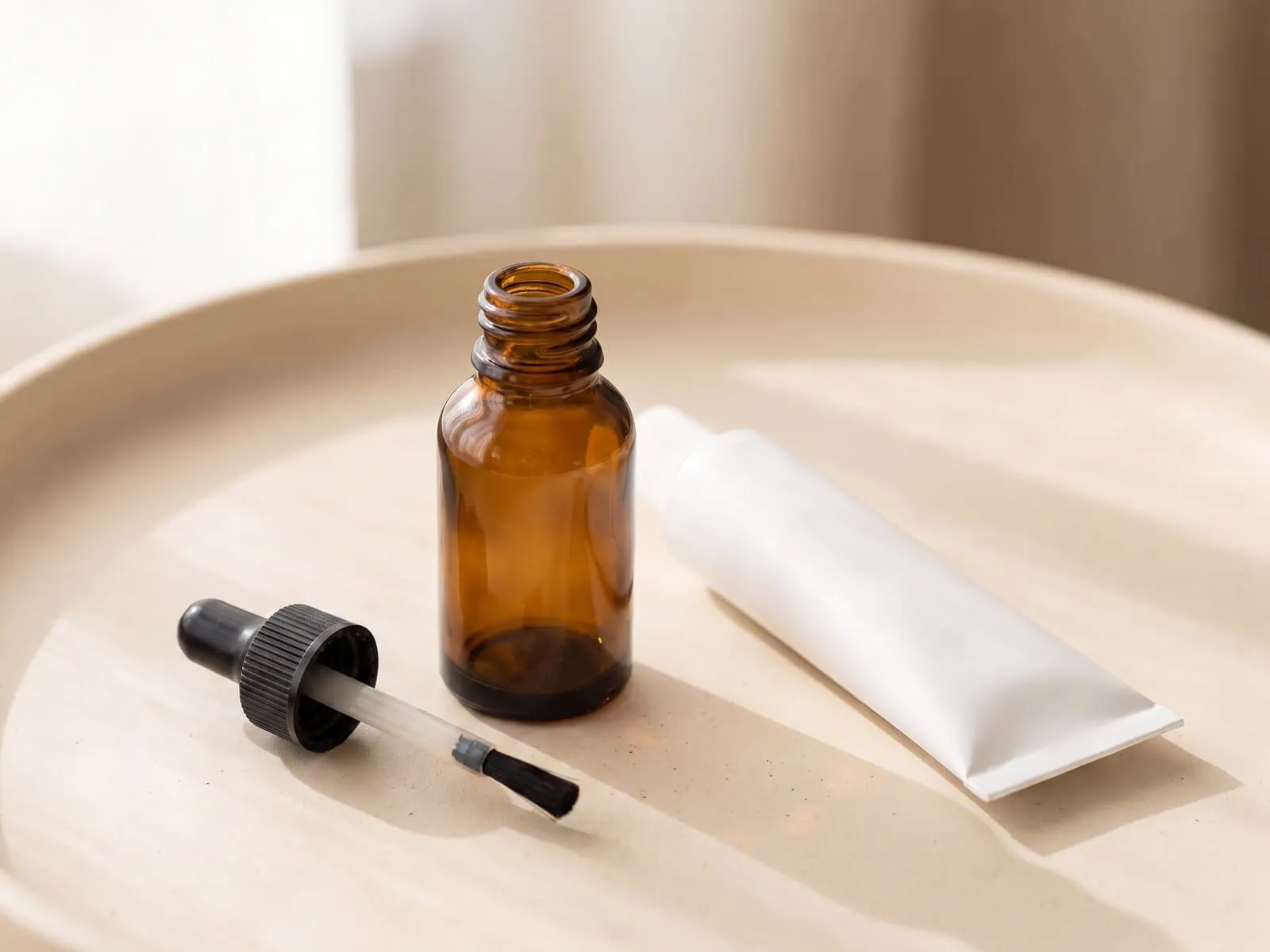
Prescribed as a medicated nail polish or a nail cream. The polish is painted straight onto the nail; the cream is applied after the nail plate has been thinned, so more of it reaches the nail bed.
Best suited to mild, early infections.
Oral antifungal medications
Taken as a course of tablets. Terbinafine, fluconazole, itraconazole and griseofulvin are the ones commonly prescribed. They work through the body, so relief can come faster for some conditions.
Dr. Mikki reviews your medical history before any oral course.
Laser treatment
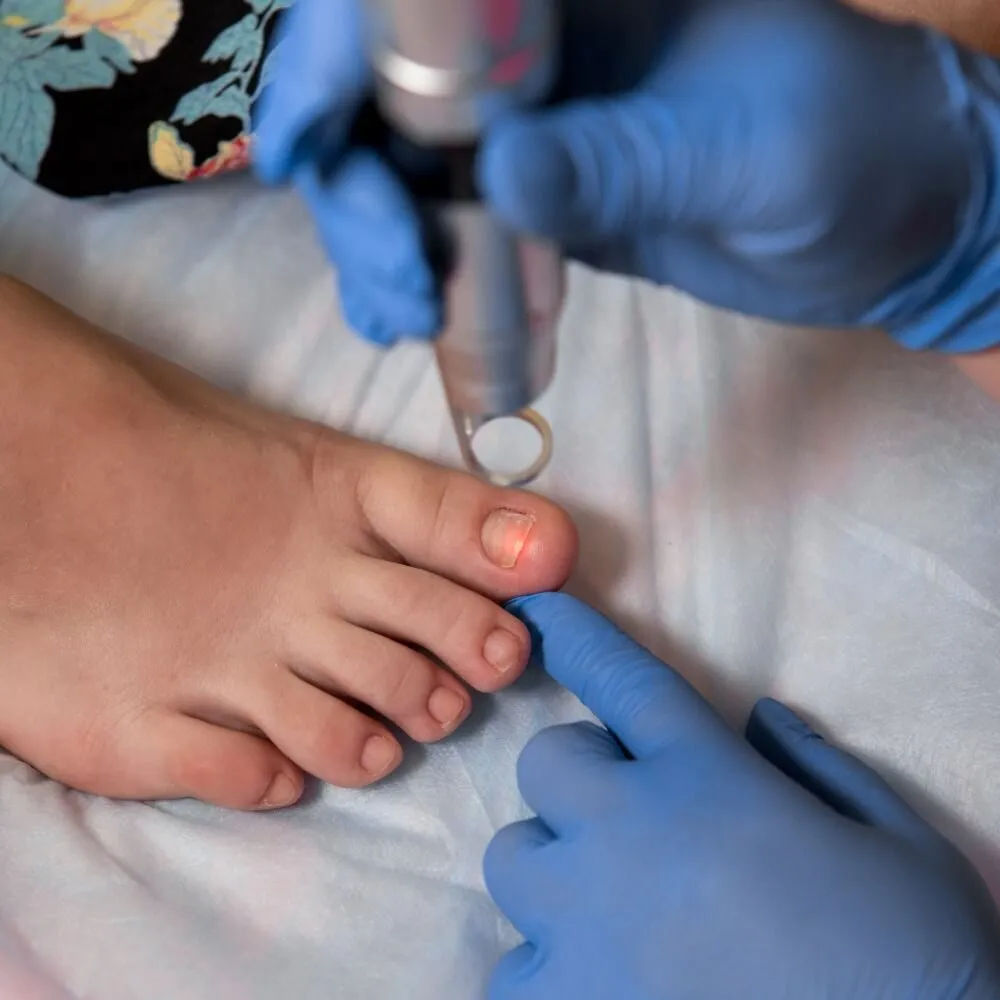
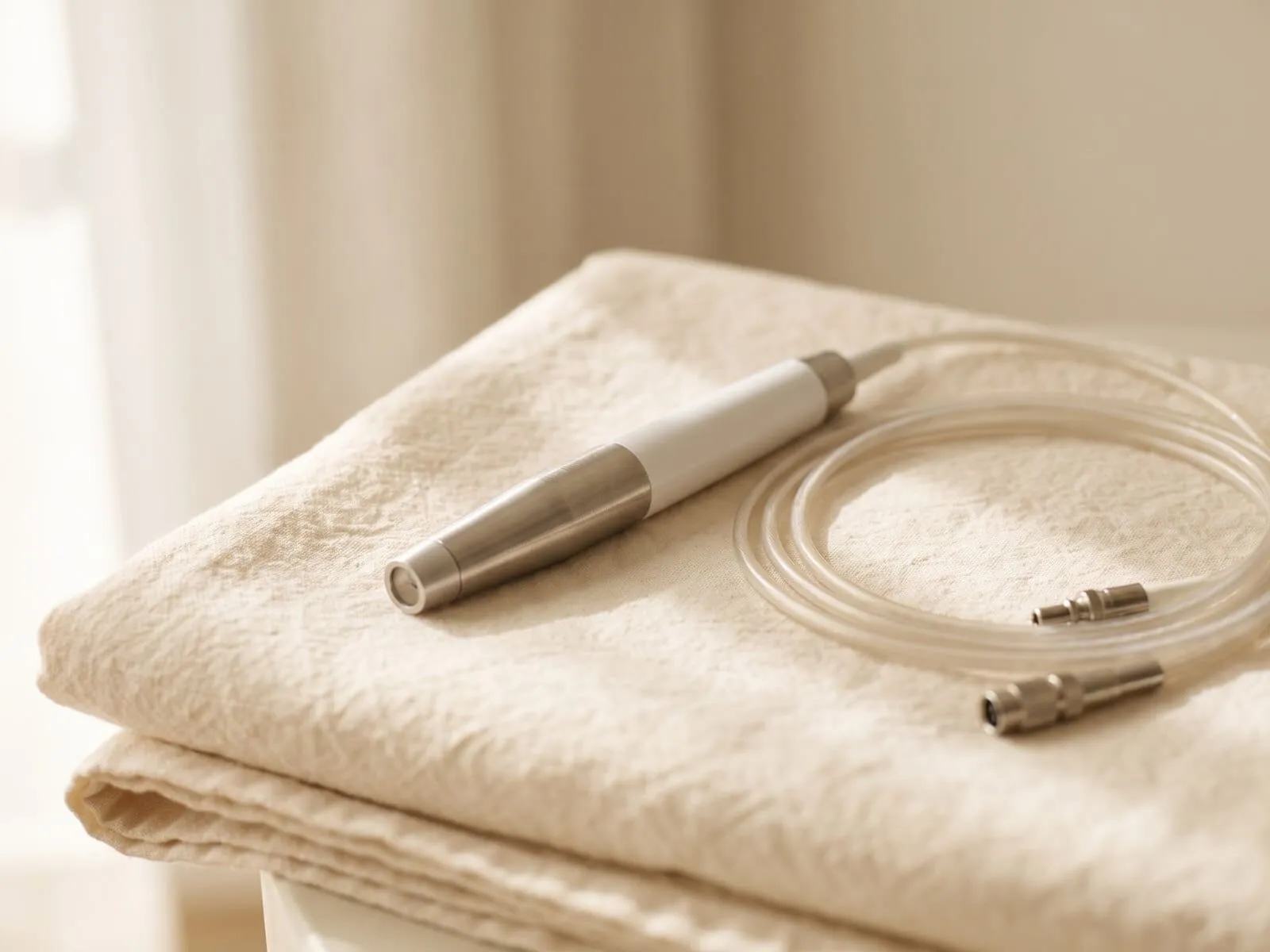
The affected nails are exposed to laser light that heats the layers of nail tissue, targeting the microorganisms responsible for the infection. Nothing is cut and no tablet is taken.
Non-invasive and done in the office. Individual results vary.
What a fungal nail session looks like
Consultation and nail exam
Dr. Mikki examines the nails and confirms that a fungal infection is the likely cause, because psoriasis, an old injury and a bruise under the nail can all look similar. She tells you honestly whether the laser is the right approach for your case.
Preparing the nail
The nails are trimmed back and cleaned, and any polish comes off, so nothing sits between the laser and the nail plate. There is no injection and no numbing to wait on.
The laser pass
The handpiece moves across each affected nail in a series of pulses that heat the layers of nail tissue to target the fungus beneath. Most patients describe a mild warming sensation and nothing more.
Straight back into your shoes
There is essentially no downtime, so you put your shoes on and carry on with the day. Dr. Mikki books the next session in the series and goes through the foot-care habits that reduce the chance of reinfection.
Safety and what to expect afterward
Why the laser is considered safe
- Non-invasive: nothing is cut, and no nail is removed.
- The energy is directed at the infected nail, so surrounding tissue is not the target.
- It works locally, which avoids the systemic exposure and monitoring an oral course can involve.
- Generally painless, with most patients reporting only a mild warming sensation during the pulses.
- No daily routine to keep up for months afterward.
- A board-certified physician does the exam before any laser is used.
What to expect, honestly
- A warming sensation over the nail while the pulses are delivered.
- The nail does not look different on the day; the damaged nail has to grow out first.
- That nail can stay thick and discoloured for months as it grows, because that is the old nail, not a failure.
- More than one session, spaced several weeks apart.
- Fungal nails can recur, so aftercare is part of the plan and not an afterthought.
- No treatment for nail fungus is guaranteed, and results vary with severity and nail growth.
Keeping nail fungus from coming back
A nail that has been treated once can be reinfected from the same shoe or the same shower floor, so aftercare is part of the treatment plan and not advice tacked on at the end.
At home
Reinfection is common, and most of what prevents it is everyday routine, not clinical care.
- Keep nails clean, dry and trimmed straight across, never into the corners.
- Change socks when they are damp, and let shoes dry fully between wears.
- Treat athlete’s foot promptly if it appears on the surrounding skin.
- Disinfect or replace the footwear you were wearing through the infection.
- Give feet time out of closed-toe shoes where the day allows it.
In shared spaces and at the salon
Shared floors and shared tools are the two exposure points that most often start it again.
- Wear shower shoes in public swimming pools, gym showers and saunas.
- Bring your own sterilised tools for a pedicure, or confirm the salon sterilises theirs.
- Do not share clippers, files or buffers, even at home.
- Go easy on artificial nails while a nail is recovering.
Who laser fungal nail treatment is for
Dr. Mikki confirms candidacy at consultation against your nails and your medical history, and will say when something else fits better: a course of topical or oral antifungals for a mild, early infection, or lesion removal when the change turns out to be in the skin around the nail and not in the nail itself.
A good fit
- Thickened, yellowed or brittle nails you have had for a while.
- You would rather not take an oral antifungal for months, or you cannot.
- Nail polish and creams have not reached far enough under the nail.
- One nail or several, on the toes or the fingers.
- You can commit to a short series of visits and a months-long grow-out.
- You are willing to keep up the aftercare that reduces reinfection.
Not the right treatment
- The nail change is not fungal, because psoriasis, an old injury or a bruise can look the same.
- You need the nail to look different within days, not months.
- You are looking for a guaranteed cure; no nail fungus treatment can offer one.
- You are not able to attend the full series of sessions.
Before you book, three things worth knowing
The nail you can see will not change on the day. Improvement shows only as the new nail grows out over months, and individual results vary. If you have diabetes, poor circulation or weakened immunity, tell Dr. Mikki: those are among the factors that make a fungal nail infection more likely and more stubborn, and your care may need coordinating with your physician. And cost depends on how many nails are involved, so get a quote at consultation, not a number off a website.
Before and after
Each pair holds an infected nail before treatment beside the same nail once it has grown out. Three cases, and individual results vary.
Scroll the row sideways for the rest.
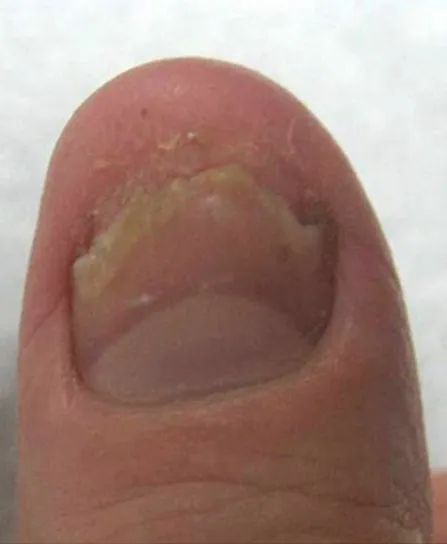
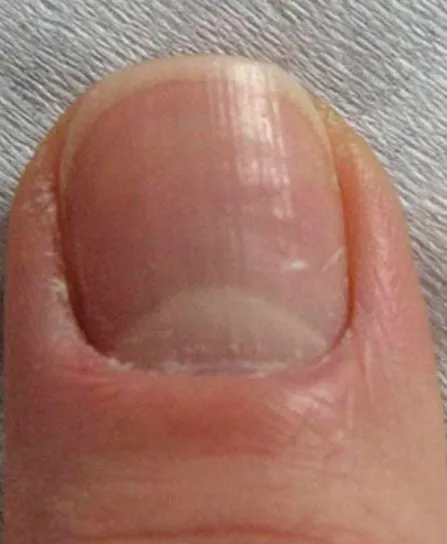
Yellow-brown crumbling nail across the free edge of the big toenail, with the plate thickened behind it.
What you see afterwards is new nail; the treated nail has to grow out first.
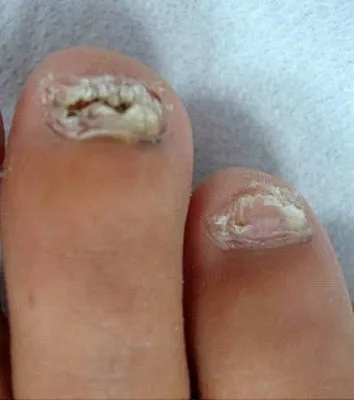
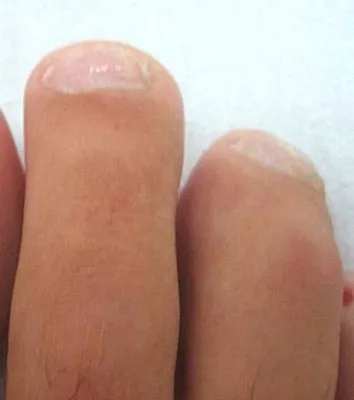
Two toenails thickened, white-yellow and crumbling away at the tips.
Neighbouring nails are treated together, because the infection moves between them.
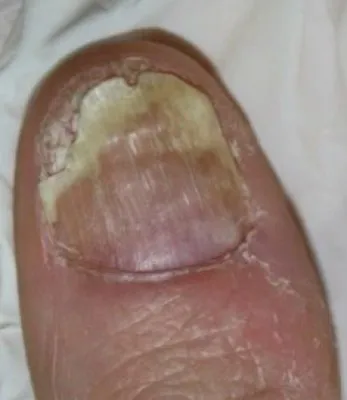
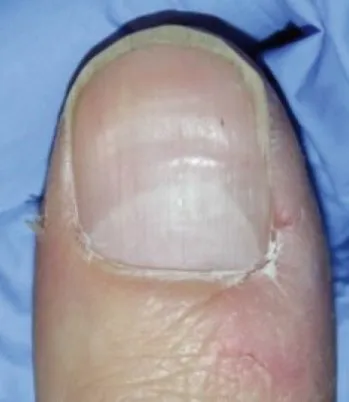
Dense yellow discolouration across most of the nail plate, with a ragged, lifting edge.
The laser heats the nail bed without the liver monitoring oral antifungals ask for.

Why patients try laser for nail fungus
These reflect common patient sentiment rather than verbatim quotes, and individual results vary.
I had been embarrassed by a thick, discolored toenail for years and didn’t want to take a pill for months. Dr. Mikki explained how the laser worked and, more importantly, that I would see the change slowly as the nail grew out. That honesty mattered. It took a series of visits and patience, but the new nail came in much clearer. Results may vary, but I was never promised an overnight fix.
Quick visits, no pills, and my toenails grew back clearer over a few months. Worth the patience.

Laser fungal nail treatment FAQs
How does laser fungal nail treatment work?
A Fotona laser directs controlled heat through the nail to the nail bed, where it targets the fungus causing the infection. The treatment works locally without cutting or medication, and it is done as a series of short sessions. Dr. Mikki oversees the treatment and confirms it is the right approach for your nails.
What are the most common signs of a fungal nail infection?
Nails typically turn yellow or brown, show yellow or white spots under the tip, thicken, go brittle with jagged edges, lose their sheen and can give off an unpleasant odour. In a longer infection the nail may distort and start lifting off the nail bed. Because psoriasis and old nail injuries can look similar, Dr. Mikki confirms what is actually going on before recommending treatment.
Do over-the-counter nail fungus treatments work?
Liquid antifungal medicines sold over the counter are applied locally to the affected nail and are a reasonable first step for a mild, early infection. They often struggle to reach the nail bed once the nail has thickened, which is why patients who have tried them ask about laser treatment. Dr. Mikki will tell you honestly if a topical is still worth trying in your case.
How long until my nail looks clear?
Improvement shows gradually as a healthy nail grows in to replace the damaged one, which takes months, not days, because that is how nails grow. Toenails grow slowly, so patience is part of the plan. Results may vary with the severity of the infection and your nail growth, and Dr. Mikki sets a realistic timeline at consultation.
How many sessions will I need?
Most patients need a series of short sessions spaced several weeks apart, with the exact number confirmed at your consultation based on how many nails are affected and how advanced the infection is. Each session is quick and done in the office.
Does the treatment hurt, and is there downtime?
Laser treatment is non-invasive and generally painless. Most patients feel only a mild warming sensation over the nail during the pulses and are able to wear shoes and return to normal activity right away, so there is essentially no downtime. Dr. Mikki reviews foot-care habits that reduce the chance of the fungus returning.
Is laser treatment a guaranteed cure for nail fungus?
No treatment for nail fungus can be guaranteed, and fungal nails can recur. Laser treatment is used to reduce the fungus so a clearer nail can grow, and consistent aftercare helps hold the result. Dr. Mikki is honest about what to expect and will tell you if another approach fits your case better.
How do I keep nail fungus from coming back?
Keep hands and feet clean and dry, trim nails straight across, wear shower shoes in public pools and gym showers, and bring your own sterilised tools to a pedicure. Disinfect or replace the footwear you wore through the infection, and treat athlete’s foot if it appears. Dr. Mikki reviews these steps with you so the clearer nail that grows in has the best chance of staying that way.
Ready to treat a fungal nail?
Dr. Mikki examines your nails, confirms the laser fits your case, and sets a realistic plan.
Board-certified MD · NPI 1891947438 · Licensed in TX and NM · 4.8★ from 131 Google reviews