How Much Does a Chemical Peel Cost? Your Guide!
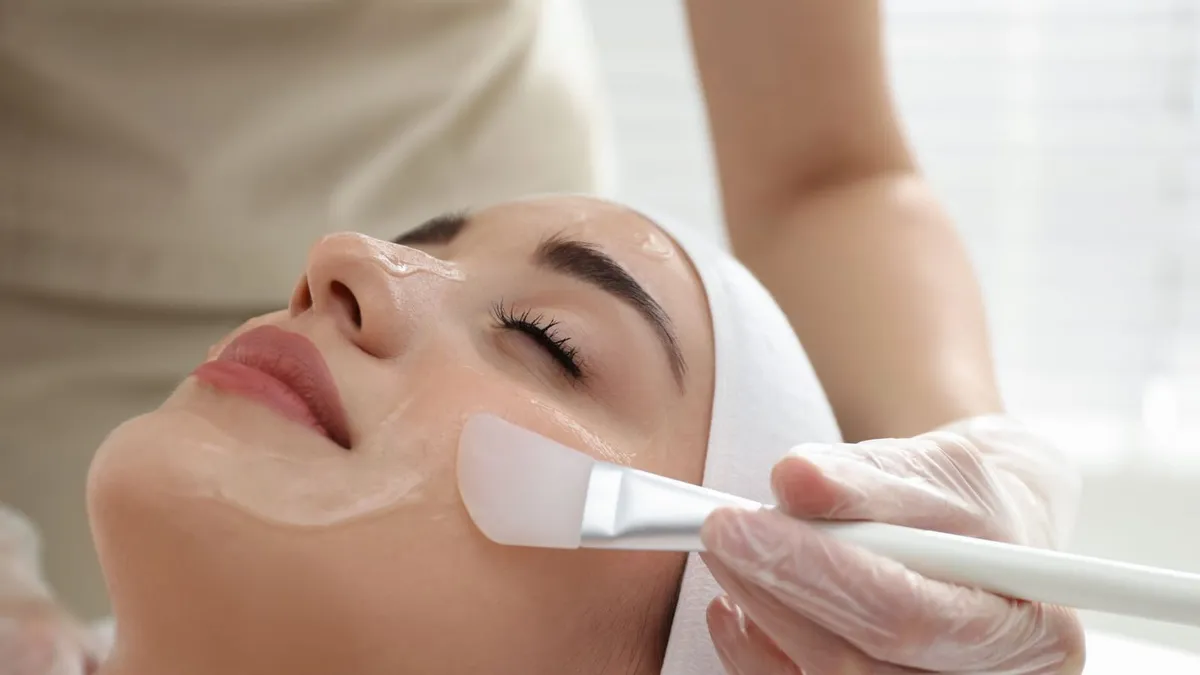
Medically reviewed by:

Founder & Medical Director
Talk to Dr. Mikki
A physician reviews your history before any treatment is chosen.
Book a Facial ConsultationHow Much Does a Chemical Peel Cost?
Chemical peels are one of the most popular skin treatments for fixing uneven texture and improving how skin looks. These treatments can help make your skin feel smoother, look brighter, and seem younger. But how much do you really spend on a chemical peel?
Pricing varies outside the US too. In Canada, for example, you can expect to pay about $150 to $350 for one session. The cost depends on the clinic you go to, how skilled the provider is, and the type of chemical peel you get. It’s worth checking prices with local providers and weighing the experience and reputation of the clinic before you choose.
The answer isn’t simple. The cost of a chemical peel can go up or down for many reasons, and different factors affect how much you pay. Knowing these things will help you make better choices when you spend money on your skincare.
At Medrein in Southlake, Texas, we know pricing can feel confusing. This guide will help you know what to expect and understand the costs, including what changes the price and how you get value from it.
Chemical peel costs generally start around $100 and climb well beyond that depending on the type of peel and how deeply it works into the skin. Light peels cost less, but you may need several sessions to get the results you want. Deep peels cost more, but they deliver bigger changes in fewer visits.
Your skin goals and budget both help determine which peel is right for you. Let’s look at the details of what you pay for a chemical peel.
How Much Does a Chemical Peel Cost on Average?
The cost of a chemical peel is mostly based on the type of peel you pick. Different types of peel will have different prices. So, chemical peel costs can change a lot because of this.
Light peels are the most affordable choice for most people. Medium peels can give bigger changes, but they cost more.
Deep peels give the biggest changes to your skin, but they also cost a lot more.
Light Chemical Peel Costs
Light chemical peels usually cost between $100 and $400 for each session. These peels use mild acids, such as glycolic acid or lactic acid. A light chemical peel works on the top layer of the skin and gives gentle exfoliation. If you are looking for a treatment that is easier on your wallet, a light chemical peel is a good choice. It is one of the most budget-friendly options when you compare it to other types like medium or deep peels. A light chemical peel can help many people who want a good skin treatment at a lower price.
Most people need about 3 to 6 sessions to get the best results when it comes to the main categories of chemical peels.
The national average cost for light peels is about $250 for each session.
Where you are plays a big part in how much this costs. The price in a city will often be higher than in a small town or country area.
High-end medical spas charge more for their services. People go to these places expecting the best care. These spas offer top treatments, so the price is higher than most other places.
Medium Chemical Peel Costs
Medium chemical peels usually cost between $300 and $1,000 for each session. These treatments go deeper into the skin.
They use stronger acids such as trichloroacetic acid (TCA) for these peels. The results are much more noticeable than what you get from light peels.
Most people see the results they want after one to three medium peel sessions.
The price goes up because the process is harder and needs more skill. You need more time to get better after this than with light peels.
It is important to have a professional check your healing process. This can help spot any problems early. With the right help, you will heal well. A trained person knows what to look for and what to do if there is an issue. This way, you can feel sure that your healing is on track.
Deep Chemical Peel Costs
Deep chemical peels cost the most. You can expect to pay between $1,000 and $3,000 or possibly more for each session.
These treatments use phenol or strong TCA solutions. They go deep into the skin. You can see big and lasting results.
Most patients need just one deep peel treatment. The cost of chemical peels is high because this is a very intense procedure.
You need to do a lot before and after deep peels. Only people who are trained well should do deep peels.
The cost of a chemical peel is not only for the treatment. It also covers the skills of the person doing it. Safety steps and help after your visit are part of what you pay for to get the best results.
Cost Comparison Table
| Feature | Price Range | Sessions Needed | Total Investment |
|---|---|---|---|
| Light Peel | $100-$400 | 3-6 sessions | $300-$2,400 |
| Medium Peel | $300-$1,000 | 1-3 sessions | $300-$3,000 |
| Deep Peel | $1,000-$3,000+ | 1 session | $1,000-$3,000+ |
The total amount you need to invest can change a lot. It depends on your needs and what you want. Talk with a provider who knows about this. They will help find the best plan for your treatment.
Medrein gives one-on-one checkups for people in the DFW area.
What Factors Affect Chemical Peel Pricing?
There are several things that can change the total price of your chemical peel treatment.
Knowing about these things can help you plan your spending on your skincare needs. Some of the things can be changed by you, but some cannot.
Geographic Location Impact
Where you live can change what you pay for a chemical peel in the United States. It can also affect your skin health. Bigger cities often charge 20-40% more than smaller cities for the same chemical peel.
Coastal places usually cost more to live in compared to areas far from the sea. When it comes to treatment, the price often goes up as the cost of living goes up in that place.
California and New York are at the top when it comes to chemical peel costs. The prices for a chemical peel in these states are often higher than in other places. A lot of people in New York look for the best ways to get smoother skin, and they end up paying more for it. If you want a chemical peel, it is good to know that the costs in California and New York might be higher compared to most other states.
Texas and Florida have more reasonable prices. If you go to rural areas, you can get the most budget-friendly treatment.
But, the provider’s skill can be different in each area.
Provider Experience and Credentials
People with a lot of experience in this field can ask for higher prices because of their skills. Board-certified dermatologists often charge more money than aestheticians.
Medical spas are in the middle of the two ends. The price a person has to pay can change because of the provider’s reputation and past work.
Many years of experience usually mean higher treatment costs. When a physician or expert has special training in advanced techniques, their fees also go up.
Published research and speaking events show the level of expertise.
Patient stories and before-and-after photos show the results.
Facility Type and Amenities
The kind of facility you go to and the type of chemical peel you pick can change the treatment cost. High-end medical spas give you nice extras and services, but you pay more for them.
Hospital-based dermatology practices have physicians who know a lot about skin care. They work in hospitals to help people with many skin problems. Their knowledge comes from years of study and practice. These physicians make sure you get the best care for your skin health.
Standalone aesthetic clinics give people ways to choose something in the middle.
Luxury places have things like spas as part of what you pay for. A normal medical office cares only about giving treatment.
Comfort and service can change how much you pay. Some people like to go to a medical place instead of a spa.
Treatment Area Size
Big areas take more time and need more product. A full-face peel will cost more than a small area treatment.
Neck and décolletage additions will make the total price go up. If you add more body areas, the base treatment cost will also go up.
Most places set their prices for treatments based on parts of the face. If you choose to treat more than one area, you can often get a discount for getting a package.
Full-face treatments give the best value for every square inch. Targeted treatments are good if you have certain problems you want to fix.
Number of Sessions Required
Having more than one session can make your total investment much bigger.
Light peels need the most sessions if you want the best results. A light or medium peel can help make your skin tone look better. A medium peel needs fewer sessions than a light peel, but each session is more expensive. A deep peel usually takes just one session.
Package deals can lower the cost you pay for each session when you have more than one treatment. You might also save more money if you pay for everything at once. Maintenance sessions help you keep the results from what you paid for at the start.
Long-term skincare plans provide ongoing value.
Additional Services and Products
Many providers say that using extra treatments can help you get better results. This is true if you have damaged skin cells. These treatments are good for the skin and can help repair your skin cells.
Before you begin, your skin may need some special products to get ready. After the treatment, you will often have some skincare steps that your physician tells you to follow.
These additions increase your total investment.
If you combine this with other treatments, the price may change. Different treatments together can affect how much you pay.
Package deals can often give you more value for your money. Home care products help you keep and boost the results from your treatment. Getting help from a professional will make sure you pick the best products for your needs.
What Types of Chemical Peels Are Available?
Chemical peels are put into groups based on how deep they go into the skin.
Each type is made to help with different skin concerns. You need to spend different amounts on each one.
Knowing about these types can help you pick the best treatment option for you.
Light Chemical Peels (Superficial Peels)
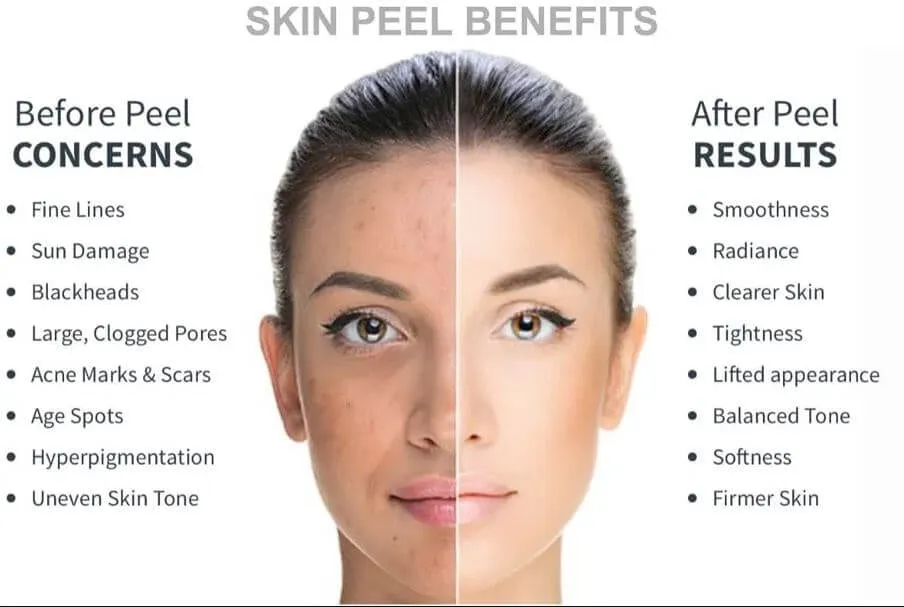
Light peels use mild acids to help remove dead skin from the surface. The acids often used for light peels are glycolic, lactic, and salicylic acid.
These treatments need very little downtime or recovery. The results can be mild at first, but they get better with more sessions.
Alpha hydroxy acids, or AHAs, are used often for light peels. Beta hydroxy acids (BHAs) are good for skin that gets acne.
Fruit acid peels help give gentle exfoliation. They are good for sensitive skin.
These peels help with fine lines. They also target mild discoloration. The peels improve the feel of your skin too.
People usually feel better in about 1 to 3 days. There is only a little bit of peeling. You can go back to your normal activities right away.
Mild redness and sensitivity can happen as side effects. It is important to protect your skin from the sun after this treatment.
Medium Chemical Peels
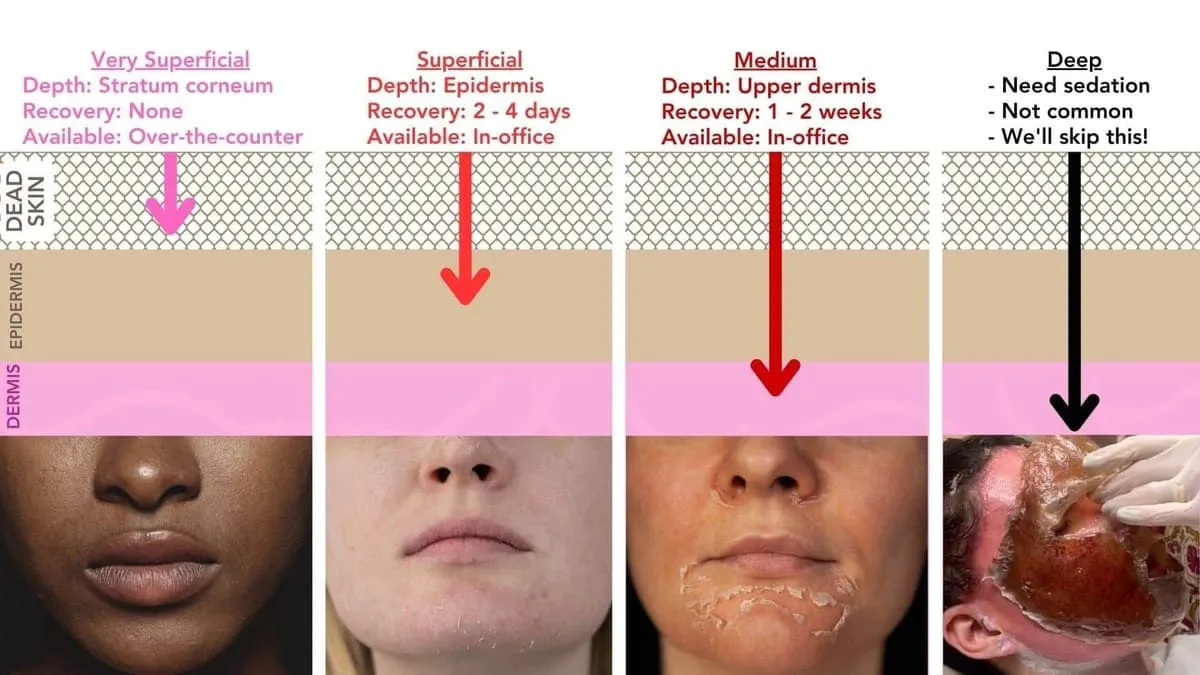
Medium peels go deeper into the skin to work. The most used agent for a medium peel is trichloroacetic acid.
These treatments help with bigger skin concerns. The results are stronger than what you get from light peels.
Medium peels can help a lot with sun damage and lines on your face. They also work well if you have age spots or melasma.
Acne scarring may improve with medium-depth peels.
The recovery period extends to 7-14 days.
There can be a lot of peeling and redness of the skin when you heal. Some people may have to take a break from going out and seeing others during this time.
Good aftercare help is more important now.
Results can last 6-12 months with proper care. Results may vary.
Deep Chemical Peels
Deep peels use phenol or strong TCA solutions. These treatments go deep into the layers of the skin. They help improve your skin tone.
They help with severe sun damage and deep wrinkles. The results can be big and last a long time.
Deep peel treatments need a lot of care before and after the process. To do a deep peel, the physician may have to use sedation or anesthesia.
Recovery can last for several weeks. Some people may notice that their skin lightening is long-term.
These treatments have more risks and problems. Only people with experience should do deep peels.
Results can last for many years if you take good care of them. Results may vary. The investment shows how big the results can be.
Specialized Peels: Phenol Peel
Phenol peels are some of the strongest chemical peels you can get. They are made to help with serious skin conditions and give big results. A phenol peel goes much deeper into the skin than lighter peels. Because of this, it works well for tough problems like deep wrinkles, bad sun damage, and skin discoloration. This peel does more than just take off the top layer of skin. It also helps your body make more collagen, so your skin feels smoother and firmer. A lot of people say they get long-lasting results from only one treatment. This makes it a good choice if you want real change in how your skin looks.
Phenol peels are very strong, so you need to think about them carefully. Because these peels go deep, you will likely need a longer recovery. Many people see a lot of redness and peeling after the treatment. It is important to talk with a trained expert to see if a phenol peel fits your skin goals. You should also go over any risks and what to do for aftercare.
What Makes Phenol Peel Special?
The phenol peel is a strong type of chemical peel. It is known for giving great results after just one session. This peel goes deep into the skin. It also helps to bring out healthy skin. People often see better skin texture, and a more even tone. It can improve how your skin looks overall. This makes the phenol peel an effective way to fight signs of aging and fix skin imperfections.
The phenol peel is not just effective. It also gives results that last longer than lighter peels. A lot of people feel that one phenol peel is enough for them to see the changes they want in their skin. This can be good for people who do not have much free time. The phenol peel does a strong job and does it fast. This is why many people pick it when they want big changes in their skin.
How Much Does a Phenol Peel Cost?
The cost of a phenol peel can go from $1,000 up to $3,000, or sometimes even higher. The price changes based on things like the skill of the person doing it, where you go, and any extra services they may give. Some clinics include recovery expenses in the total cost. A phenol peel does take a lot of work and care, both before and after your visit, which is why it can be expensive. This helps make sure you get the best results from the treatment.
The first cost you see may look high, but many people feel that the benefits you get over time make it worth it. A phenol peel can help you get new skin. If you care for your skin well and keep up with maintenance, the results can last for years. This makes it a good choice if you think about your budget for the long term. Also, you should talk to your provider about ways you can pay for it, since many clinics have different payment plans to make it easy for you to handle the cost.
Potential Phenol Peel Complications
Phenol peels carry more risk than lighter peels
A few patients may get problems like scarring, infection, or long-lasting redness after a phenol peel, though these side effects are not common. Patients with darker skin tones have a higher chance of changes in skin color after the treatment. Candidacy for a phenol peel should be confirmed at a consultation with an experienced provider.
While phenol peels can give good results, you must know about the possible side effects that come with this deep treatment.
The healing process after a phenol peel needs careful aftercare. This helps lower the chance of problems and supports good recovery. You will need to follow clear steps from your practitioner. These may ask you to stay out of the sun, use the prescribed skincare products, and go to your follow-up visits. It is good to know about all possible risks ahead of time. Knowing what to expect helps you get the best results from your phenol peel.
Does Insurance Cover Chemical Peel Costs?
Most health insurance plans do not pay for a chemical peel. Insurance companies say that this is a cosmetic treatment and not a medical need.
Patients usually have to use their own money to pay for all treatment costs.
Medical Necessity Exceptions
Some cases may get insurance coverage. If you have active acne, your treatment acne treatment might be covered too. A tca peel could also be covered if it is used to remove precancer spots.
Some recorded medical problems can make an insurance company look over your case again.
Sometimes, insurance will look at melasma treatment and may cover it.
Bad acne scarring may be covered. You will need to get pre-authorization before any coverage can happen.
Getting documents from dermatologists can help make your coverage requests stronger.
Alternative Payment Options
Many providers have ways for you to pay for treatment. Some even have medical credit cards. These cards give you special rates for a short time.
Payment plans help to spread the cost of treatment over a few months. Package deals can help to make the total price of treatment lower.
CareCredit and the same kind of services give you a way to pay for healthcare.
Some providers offer in-house payment plans.
With credit card payments, you can earn rewards points. HSA and FSA accounts may also help pay for some treatments.
Budgeting for Chemical Peel Treatments
Planning ahead can help you handle the money you will spend on chemical peels.
Think about the total cost. This includes paying for more than one session. You should also count the price of any aftercare products you might need. There could be extra costs if there are any problems after the sessions.
Plan to set aside money for the care you need to keep your results looking good. Regular upkeep will help you hold on to what you get from the start. This step is key if you want your results to last and look their best over time.
You should begin to save money a few months before you plan to get treatment. Take some time to check the prices from the providers near you.
Package deals and individual session pricing both have good things and things to think about. With package deals, you often get a lower price for each session because you pay for more at once. This can help save you money over time. It is also easy, as you do not need to pay each time you go. Some people like how simple it is to have everything set for several visits at once.
If you pick individual session pricing, you pay each time you go. This gives you more choice, and it is good if you do not want to feel locked in. You can stop or change your plans any time. It works well for people who are not sure about how many times they want to come in.
The best choice depends on what works for you. If you know you will use the service a lot, a package deal may help you save. If you want to try things out, paying for one session at a time is the way to go.
You should think about the season when planning so you get the best time to rest. This will help you recover well. When you pick the right time of year, your body can feel better, and you also get more out of your breaks.
Are Chemical Peels Worth the Investment?
Chemical peels can be a good choice for many people who want to take care of their skin problems. They work well for lots of concerns and can be worth the money.
The cost compared to what you get from this treatment is often better than other choices. If you take good care of the results, they can last for some months or even years.
Many patients feel the cost is worth it. They get more confidence from the treatment.
Immediate Benefits and Results
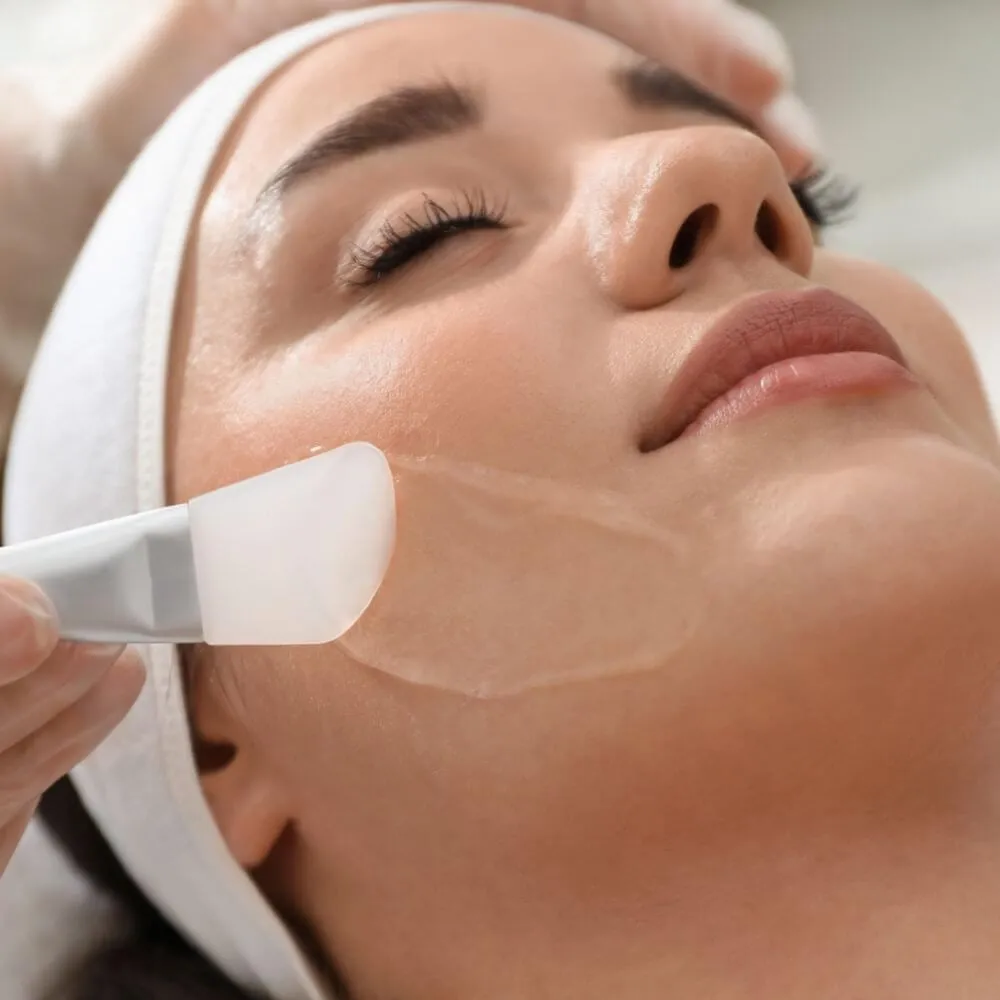
Most people notice changes a few days after treatment. Their skin texture is smoother and has a better feel. This also helps people who have rough skin.
Fine lines seem to be less visible. The skin tone looks more even and bright.
Light peels can give you small but clear changes in your skin. A light peel is a good way to make your skin look fresh without being too strong. You may see these changes after only one treatment, and the change will still look real.
Medium peels give you bigger and more clear changes that you can see on your skin.
Deep peels can transform severely damaged skin.
When you put in more money, you often see better results. The amount you get out usually matches what you put in.
Long-term Value Proposition
Chemical peels help your skin make more collagen as time goes on. This happens because the treatment uses a chemical solution. The process keeps going for many months after you get the treatment.
Skin keeps getting better as time goes on even after it first heals. These lasting results make the early cost worth it.
Getting regular maintenance peels helps to keep and improve the first results you see. Over the year, the cost for these treatments gets to be more fair.
Preventive treatments can help lower your need for skin care later. If you start early, you often spend less money than fixing problems later.
Confidence and Quality of Life Impact
Many people say they feel more sure about themselves after getting chemical peels. These peels work well for different skin types.
Improved skin appearance can make a big difference in social and work situations. Feeling better about your skin often gives you more good feelings than how much money you spend to get there.
Better skin can help you feel better in your life. You may feel more confident when your skin looks good. It can boost the way you feel about yourself. When your skin gets better, you may feel happy, and your life can feel easier. Many people feel good about themselves when they like how their skin looks. Good skin can make a big change in your day-to-day life.
Good skin can help make your photos look better. It is also nice to have clear skin during special times. This can give you more confidence and help you feel good at your events.
Makeup goes on much easier when the skin is smooth. Your daily skincare routines may also get much simpler. The time you save can help balance out how much you spend for the treatment.
How Do Chemical Peels Compare to Other Treatments?
Chemical peels now go head-to-head with many other skin care treatments.
Knowing about these comparisons can help you make better choices for your treatment. The cost, how well the treatments work, and the downtime can be very different with each option.
Chemical Peels vs. Microdermabrasion
Microdermabrasion is less costly for each session than chemical peels. This makes it a better choice for people who want to treat different skin conditions and save money. But the results you get are often more gentle and do not last as long.
Usually, you will need more sessions to get the same results.
Chemical peels go deeper to help clear away more dead skin. They can give longer-lasting results for your skin.
Microdermabrasion sessions usually cost between $75 and $200 for each one.
Chemical peels start at $100. They give much better results too.
The amount of money you spend might be the same if you want the same results. But chemical peels often give most people better value.
Chemical Peels vs. Laser Resurfacing
Laser resurfacing will cost a lot more than chemical peels. The price you pay will depend on the type of peel you pick.
Fractional laser treatments can cost anywhere from $800 to $2,500 for each session. The results can be like what you get from a medium or deep peel. The recovery time for these treatments and peels is usually about the same.
Laser treatments need special equipment and proper training. On the other hand, chemical peels use acid solutions that you can get more easily. The cost of this technology has a big impact on how much you will pay for these treatments.
Chemical peels give people more ways to get the treatment they need.
Chemical Peels vs. Injectable Treatments
Botox and dermal fillers help with concerns that are not the same as what peels treat.
Injectable treatments help with specific wrinkles and areas where you may have lost volume. Chemical peels can make your skin feel smoother and also help your skin texture and tone look better. Many people find that using more than one treatment at the same time gives the best results for their skin texture.
Botox will cost you between $300 and $600 each time for one area.
Dermal fillers can cost from $500 to $1,500 for one syringe. These treatments last between 3 and 18 months. It depends on the type you get. Chemical peels may help your skin look better on the surface and last longer.
Treatment Combination Strategies
Many people find it helps to use more than one kind of treatment. Chemical peels are a good option because they help get the skin ready for other treatments. Injectable treatments can help with lines, movement, and areas where you want more shape.
Chemical peels can help get your skin ready for other work. Injectable treatments help with things like adding volume and fixing movement issues.
Laser treatments are used on the skin. These can help with some types of skin color problems.
Using combination approaches may lead to higher costs at first.
But the results can be better than just getting one treatment. You need a pro to help set the right times for each treatment.
Package deals may reduce combined treatment costs.
How Many Sessions Will You Need?
The number of sessions will depend on your skin concerns.
Light peels often need about 3 to 6 treatments to show the best results. Medium peels can take 1 to 3 visits. It depends on what you want to get from the sessions.
Deep peels most often need just one treatment session.
Factors Affecting Session Requirements
How many sessions you need depends on how much your skin was damaged before. Sun damage and signs of aging can make you need more treatments. If you started skin care before this time, you may also need to plan your sessions in a different way.
People heal in different ways. Results may vary.
Having realistic expectations can help you find the right number of sessions.
Improving slowly can give more natural results. If you follow aggressive treatment schedules, you might have more issues.
Getting help from a professional can help you make the best plan for your treatment.
Maintenance Treatment Considerations
Most people get the best results when they have maintenance treatments every now and then. Light peels are one of the types of chemical peels you can try. You can get these light peels every 4 to 6 weeks.
Medium peels are typically repeated once or twice a year to maintain results. A deep peel is different: most patients need only one treatment, and results can last for years with proper skin care, so a repeat deep peel is rarely needed. Results may vary.
Maintenance costs need to be part of your long-term budget. When to do treatments can change with the seasons.
Skin changes with time. You may need to adjust your treatment. A regular checkup with a skin expert helps you make a good plan to keep your skin healthy.
Treatment Timeline Planning
Let there be enough time between each session. This gives your body time to heal well.
Light peels require 2-4 weeks between treatments.
Medium peels need 6-8 weeks for complete recovery.
Deep peels can take months before you can get more treatments.
Plan your treatments to fit with your important events and things you need to do. This way, you can feel good and not miss out on anything special.
Avoid scheduling during peak sun exposure seasons.
Think about your job and people you need to see when you make plans.
How Should You Prepare for a Chemical Peel?
Getting ready in the right way gives you the best results and helps keep problems away. Most clinics ask that you meet with them before you set up your treatment.
You may be told to follow a skincare routine before your treatment.
When you follow the right steps to get ready, you help protect the money you put in.
Pre-Treatment Consultation
A talk with a pro helps you find the best peel for you.
Skin analysis helps us see what is happening under the surface. It shows us any concerns and conditions you may have. A review of your medical history also helps. It tells us if there are any reasons not to go ahead with treatment.
Treatment goals are talked about, and people set real expectations.
Cost estimates are given at the time of your meeting.
Payment options and financing are talked about at this stage. When you plan your treatment, your schedule and how long you need to recover matter.
Follow-up appointments are set up when you first come in for your consultation.
Skin Preparation Requirements
Many physicians say you should start to care for your skin before treatment. They may give you retinoids to help get your skin ready.
Hydroquinone can be used if you want to help with skin pigmentation. A gentle exfoliation can help make the treatment work better by letting it get into the skin more.
Sun protection is very important a few weeks before you start treatment.
Some medicines may need to be stopped for a while. The skincare products you use might also change for some time. A professional can help you get ready in the right way.
What to Expect During Treatment
A chemical peel usually takes about 30 to 60 minutes. Our expert providers make sure your skin is cleaned well, so all oils and makeup are gone.
Acids need to be put on at certain times so that they work the right way. Neutralization makes the chemical stop working in a safe way.
Mild stinging or burning can happen and be normal. A cooling fan or cold compress can make you feel better.
You can use more than one acid layer. A trained expert will watch over the process all the time to make sure it is safe.
What Are the Potential Side Effects?
Knowing about possible side effects helps you get ready in the right way.
Most side effects do not last long, and they usually go away on their own. If you get proper treatment, serious problems are not common.
Good aftercare advice helps lower bad reactions.
Common Temporary Side Effects
Red skin and some feeling of sensitivity can happen with any kind of peel. Mild swelling can start to show up a few hours after you get the treatment.
Skin might feel tight and dry after this. You can also see some peeling start about two or three days after the treatment.
Light peels often have few side effects. There is also little downtime with this treatment.
Medium peels give a bigger reaction, but it is still something you can handle. Deep peels will bring bigger changes, but these effects are not permanent.
The time it takes to recover is linked to how deep and strong the peel is.
Rare but Serious Complications
Deeper peel treatments can raise the risk of infection. There may also be scars if the aftercare is not right or the way it is done is not good.
Permanent changes in skin color can happen. But this does not happen often. There can be allergic reactions with any kind of chemical that you use.
Getting help from a professional can lower the risk of problems by a lot.
You need to follow the aftercare instructions the right way. If you see any warning signs, report them at once.
Managing Recovery and Aftercare
Gentle skincare routines are good for healing. They help the skin to recover well. This way, your skin can heal in the best way possible.
Sun protection is very important when you are getting better. You should take the medicine the way your physician told you.
Follow-up appointments monitor healing progress.
Do not pick or peel your skin too soon. Putting on lotion can help with dryness and make you feel better.
Cool compresses can help to ease irritation. A healthcare pro can also help with any worries you have and can give you answers fast.
Choosing the Right Provider in DFW
Choosing the right provider can change your results a lot. It is more important to look at their experience and what they know than to just look at the price.
Board certification shows that the person has the right training and skills. This helps make sure they know what to do and can do their job well.
Patient reviews and testimonials help people get good information. These can show what others feel and think about their time with the physician. You can use these reviews to know if you will get the care you want. They also help others feel more sure about their choice.
Why Choose Medrein
At Medrein in Southlake, Texas, we put your safety and results first. We offer choices like a deep chemical peel and other chemical peel options to help you look your best.
Dr. Haritha Mikkilineni has a lot of experience with aesthetic treatments. Our team uses the best products and stays up to date with the latest methods.
We give full advice sessions to help find the best treatment plan for you.
Transparent pricing means you know what you have to pay. There will be no extra costs or hidden fees. This helps people feel good about what they are paying for.
Flexible payment options help more people get the treatments they need. This is a good way to make care open to all. A lot of people like to have choices, and these options can help both new and old patients.
We have a good history that shows our strong commitment to do great work.
What Sets Us Apart
Our medical spa offers you a mix of luxury comforts and trained medical staff.
There are state-of-the-art places built for comfort and safety. Personalized treatment plans help take care of your skin concerns. You can read more about individual skin concerns.
Ongoing support helps you at each step. You will get help all through the process.
We keep up with the new things in chemical peel technology.
Keeping up with new learning helps our team give the latest treatments.
Patient satisfaction is the most important thing for us. When we work with people for a long time, it helps us build trust. This also helps us get better results again and again.
Making Your Decision: Is a Chemical Peel Right for You?
The investment can help boost how your skin looks for a long time.
Getting help from a pro shows if you are a good choice for this. When you have clear and simple ideas about what to expect, you feel happy with the results.
Financial Considerations
Make a plan for how much you will spend on the whole treatment series, not just on one appointment. Remember to add the cost of aftercare products and any touch-ups you might need.
If paying all at once is hard, you can look at financing options. Keep in mind that good service may cost more at first, but it is worth it.
Look at the total costs and not just at the price for each session. Package deals can give you better value for your money.
You should put the cost of maintenance treatments in the long-term budgets.
The cost each year may be lower than you think.
Personal Factors to Consider
Your skin concerns help decide which treatment to choose. The time you have to recover will also play a part. Deeper peels can give more clear results, but they cost more and need a longer recovery time.
Your pain tolerance affects how deep the treatment can go. If you keep up with the treatment for a long time, you will get the best results.
Work and social needs can change when you choose to start your treatment. The time of year also plays a part in how you heal and the results you get.
Having a support system ready can help a lot when you are trying to get better. It can make the hard times feel a little easier for people. With the help of family, friends, or other people, you do not feel alone. They can be with you to give hope and strength when things are tough. A good support system helps people feel sure that there is someone to turn to any time they need help.
Having realistic expectations helps you not feel let down by results.
Take the Next Step: Schedule Your Consultation
Ready to look at chemical peel options for your skin, a good choice if you worry about sun damage? A trusted expert can tell you which treatment is right for you. They can also give you clear information on cost.
At Medrein, we want to help you reach your skincare goals. We work with you to get the look you want.
Our team has good experience. They will look at your skin and talk with you about which options are right for you.
With transparent pricing, you know about all the costs right from the start. Flexible scheduling helps you fit things into your busy life.
Getting strong aftercare support will help you get the most out of what you put in.
Don’t let worry about money keep you from getting good skin.
Our team will work with you to find options that are good for your budget.
Professional chemical peels really can change how you look and feel about yourself. Take your first step now to get better and brighter skin.
Sources & references
Reviewed for accuracy per our editorial policy.

About the author
Founder & Medical Director
Board-certified physician and founder of Medrein Health & Aesthetics in Southlake, and the physician who personally consults with you and performs most treatments herself.
Read full bio →Find the right facial for your skin
Book a consultation and Dr. Mikki will build a plan around your health history.
Related Articles

Achieving the Elusive Korean Glass Skin: Your Ultimate Guide
Achieve Korean glass skin with a step-by-step routine, the key ingredients that help most, and professional treatments that support a smoother, hydrated glow.
Is Nano Needling Better Than Microneedling?
Nano needling vs. microneedling: how deep each treatment goes, downtime, and results, so you can choose the right option at Medrein in Southlake, TX.
What Is PDRN in Skincare? Regenerative Benefits
PDRN (polydeoxyribonucleotide) skincare explained: how it works, its regenerative benefits, safety considerations, and how to add it into your routine.